
The Great AFCON Sabotage: Why Zambia’s Coach Is Right to Be Furious
Let’s not mince words here. What’s happening in Zambia right now, with Coach Moses Sichone throwing his hands up in frustration because half his squad can’t be bothered to show up for pre-AFCON preparation, isn’t just a minor logistical hiccup. It’s a full-blown crisis of priorities, and a stark, ugly reminder of exactly where African football stands on the global totem pole: somewhere near the bottom, where respect is optional and national duty comes second to European club payrolls.
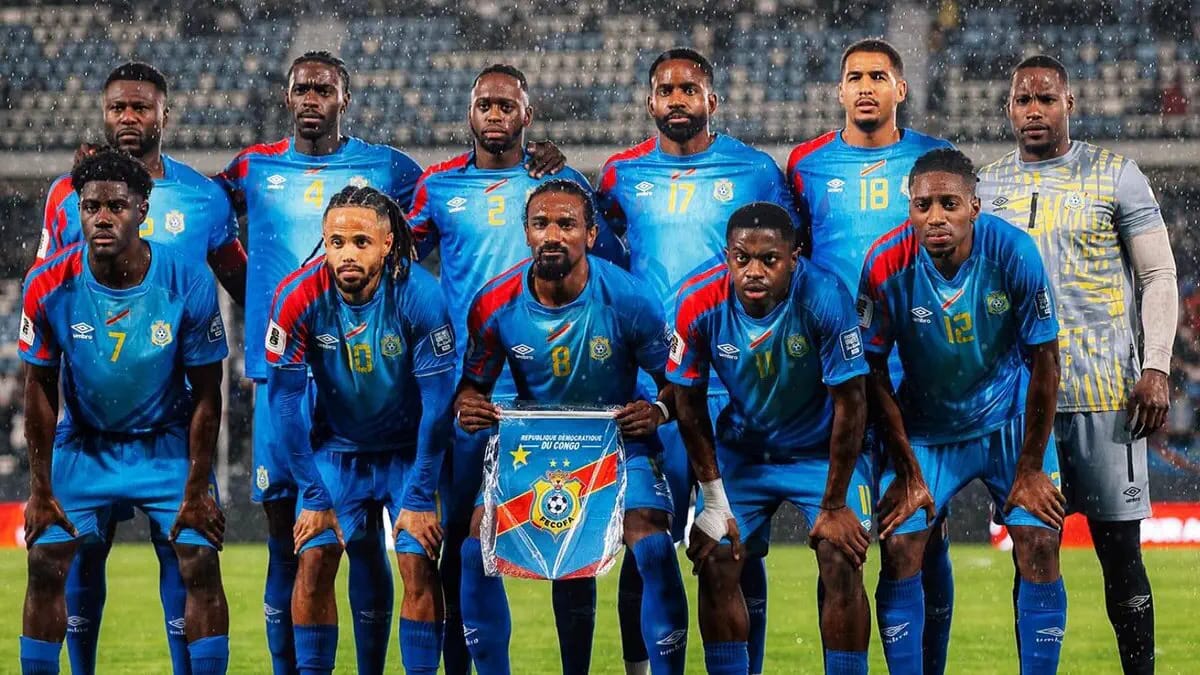
Sichone’s frustration, which he voiced publicly ahead of the friendly match against DR Congo—a match that, let’s be honest, feels like a meaningless placeholder for a much bigger, more urgent issue—is completely justified. When he says the late arrival of foreign-based players is disrupting his plans, he’s being diplomatic. What he really means, what any rational person watching this charade knows, is that his preparations are being sabotaged by the very players who are supposed to carry the hopes of a nation on their shoulders. The friendly itself becomes a distraction, a sideshow to the main event which is the complete lack of professional courtesy and organizational power within African football.
We have to ask ourselves: Why does this keep happening? Every single major tournament for African teams—AFCON, World Cup qualifiers—starts with the same story. European clubs drag their feet, refuse to release players on time, or simply view the international break as an annoyance to be managed. They treat African federations (like Zambia’s FAZ) like small children begging for permission to play with their toys. And the players? The ones who grew up dreaming of pulling on the national shirt? They’ve learned to play the game, too. They know exactly how much power their European contracts give them, and in many cases, national duty has become a burden, not a blessing. They fly in at the very last minute, expect to be slotted immediately into the starting lineup, and then act surprised when the team lacks cohesion on the pitch. It’s a cynical cycle that has to end, but no one seems to have the guts to challenge the European overlords.
The Elephant in the Room: Club Over Country, or Club Over Continent?
Let’s dive deeper into the root cause here. This isn’t just about a few selfish players. This is a systemic failure that exposes the deep structural inequalities in global football. The European clubs hold all the cards. They pay the salaries, and they call the shots. FIFA’s regulations on player release are constantly stretched and exploited. When a player is injured during an international break, the club immediately starts complaining about the ‘risks’ associated with national team duty. But when it’s time for a European national team to play in a major tournament, suddenly all those logistical challenges disappear. The double standard is stark, and it’s a bitter pill to swallow for African football fans who see their national teams constantly undermined by external forces.
Think about the implications for AFCON. Zambia, a nation with a rich footballing history (and a devastating tragedy in 1993 that we must never forget), needs every second of preparation to compete. The Chipolopolo (Bullet) needs to fire on all cylinders. But how can they possibly build chemistry when a key striker or midfielder arrives on the eve of the tournament’s first match, still jetlagged and focused on getting back to his club without injury? The friendly against DR Congo—a historic rival—is supposed to be a vital test, a chance to refine tactics and build camaraderie. But if the main players aren’t there, what’s the point? It turns into a glorified B-team scrimmage, robbing both the players and the fans of a meaningful spectacle.
The rivalry with DR Congo, by the way, has deep historical roots beyond just football. The two nations share a complex border and a history tied to resource wealth and regional power dynamics. The 1974 AFCON final, where Zaire defeated Zambia after a replay (the only time that has ever happened in AFCON history), remains a legendary point of contention. This friendly match against DR Congo isn’t just about ‘getting ready’; it’s about renewing a historical rivalry. But the foreign-based players arriving late fundamentally diminish the meaning of this clash. It reduces a passionate national statement to a hollow exhibition game. The players who prioritize their European commitments are missing the point entirely, and frankly, showing a level of disrespect for the jersey that should be unforgivable.
The Predicted Collapse and The Path Forward
So where does this leave Zambia’s chances at AFCON? If the preparation phase is this chaotic, the writing’s on the wall. A team cannot go into a high-stakes tournament, especially one as competitive as AFCON, without proper cohesion. The lack of preparation time directly impacts performance. We see it time and time again: African teams struggle in the group stage or fail to advance past the round of 16 because they simply haven’t had the luxury of a full, focused training camp like their European counterparts. The problem here isn’t a lack of talent; Africa produces some of the most spectacular athletes in the world. The problem is a lack of professional organization and power, a failure to push back against the European economic machine.
Sichone’s frustration is understandable, but what’s the solution? The African federations must stop acting like beggars. CAF (Confederation of African Football) needs to exert real pressure on FIFA to create a level playing field. The current system gives far too much power to clubs that view African football as a source of cheap talent and little else. The players themselves need to face the consequences for their lack of commitment. If they don’t value the national shirt, then perhaps they shouldn’t wear it at all. This might sound harsh, but a team built on genuine pride and commitment, even with slightly less individual talent, will almost always outperform a collection of mercenaries who just flew in from different corners of Europe with different priorities. The friendly against DR Congo is a stark reflection of this power imbalance, and until we address this fundamental flaw, AFCON will continue to be a tournament where teams with the potential for greatness are kneecapped before they even take the field.
Photo by MariLari on Pixabay.