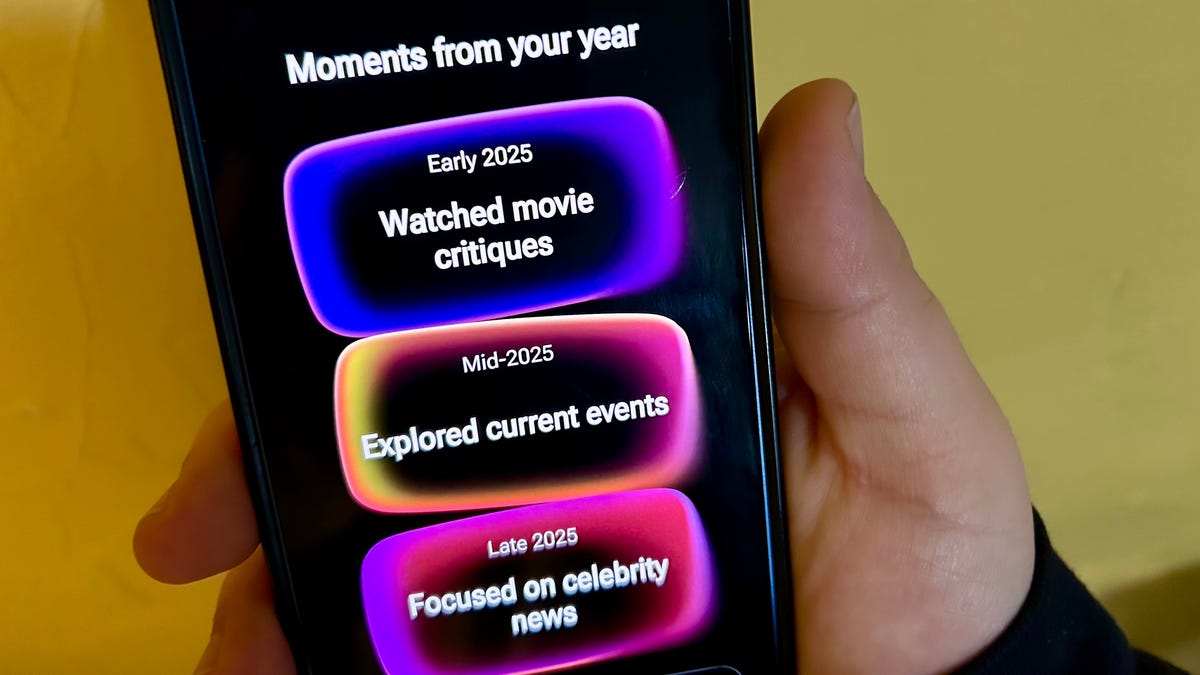
So, another year, another shiny data report card. What’s the real story with YouTube Recap?
Let’s not mince words. You think this is a gift? A fun, quirky little slideshow that celebrates your unique taste in 2025? Wrong. Dead wrong. This is the most brilliant, insidious, and cost-effective data validation scheme ever devised, and you’re not just the product; you are a willing, even enthusiastic, volunteer in your own surveillance. It’s a masterclass in psychological manipulation dressed up in slick graphics and shareable soundbites. They call it “Made for you, by you.” A more honest slogan would be “Profiled by us, validated by you, sold by us.”
But isn’t it just harmless fun, like Spotify Wrapped?
That’s exactly what they want you to believe. They want you to equate this with a mixtape from a friend. Harmless. Nostalgic. Spotify cracked the code years ago: exploit basic human narcissism and the desire for social validation. We love seeing ourselves reflected back, especially a curated, cool version of ourselves. Spotify figured out that if they packaged your data consumption back to you in a pretty box, you wouldn’t just accept it—you’d celebrate it. You’d share it. You’d become a walking, talking billboard for their data collection prowess. Free advertising.
Now, Google is getting in on the act with YouTube, and it’s infinitely more dangerous. Spotify knows what you listen to. That’s your mood, your vibe. Creepy, but limited. YouTube knows what you watch. That means they know what you’re curious about, what you’re trying to learn, what you fear, who you hate, what political rabbit holes you fall down at 3 AM, what medical symptoms you’re researching, what financial desperation looks like in the form of endless ‘get rich quick’ videos. It’s a map of your entire psyche, and they’re asking you to check it for accuracy before they hand it over to their real customers: the advertisers. The political strategists. The data brokers.
You claim they’re validating data. How does me sharing my top videos do that?
Think about it. Google’s algorithms are just complex guessing machines. They build a profile of “User X” based on clicks, watch time, pauses, and skips. They think they know you. They might tag you as a ’25-34 male, interested in cryptocurrency, anxiety, and woodworking.’ But it’s still an assumption. An inference. A guess. How do they confirm that guess is rock solid without just asking you and tipping their hand?
They create YouTube Recap. They serve you up this slick summary of what they *think* you are, and your response is the ultimate validation. When you look at it and say, “Wow, that’s so me!” you’ve just given their profile of you a gold star. A big, fat stamp of approval. But the real magic happens when you hit ‘share’. When you post it on Instagram or Twitter with the caption “LOL this is so accurate,” you are publicly confirming to Google, its advertisers, and the entire world that their psychological model of you is correct. You’ve done their quality assurance for them, for free. You’ve tightened the screws on the very machine designed to manipulate you. It is the perfect feedback loop.
Okay, that’s cynical. What’s the actual, tangible harm here?
Tangible harm? You’re soaking in it. The ‘harm’ isn’t some distant, dystopian future; it’s the present. It’s the reason your feed is an echo chamber of rage or conspiracy. It’s the reason you feel a phantom sense of anxiety you can’t quite place. They’re not just selling you shoes. They’re selling access to your next decision. They’re selling a prediction of your behavior to anyone who will pay. A political campaign wants to find angry, undecided voters in a swing state who have been watching videos about inflation and border security? Google has a list. An insurance company wants to subtly raise rates on users whose watch history indicates high-risk behavior or preoccupation with certain illnesses? The data is right there. A corporation wants to squash unionizing efforts by identifying employees who are watching pro-labor content? It’s just a query away.
This isn’t paranoia; this is the business model. Surveillance Capitalism. They collect the raw material—your attention, your curiosity, your life—and refine it into a product: behavioral predictions. YouTube Recap is the final, glossy stage of that refinement process. It’s them showing off their finished product and tricking you into admiring the craftsmanship. You are admiring the construction of your own cage. It’s beautiful. It’s personalized. It’s yours.
So what is Google’s endgame with this feature? It can’t all be this sinister, can it?
Oh, but it can. And it is. The endgame isn’t just about optimizing ad revenue for this quarter. That’s thinking too small. This is about entrenchment. It’s about making their platforms so deeply intertwined with your sense of identity that leaving feels like a form of self-amputation. Your YouTube history is a diary you didn’t know you were writing. Your Recap is a single, curated page from it. It fosters a synthetic nostalgia for your own consumption, making you more attached to the platform that hosts it.
The bigger picture is about training the next generation of artificial intelligence. These meticulously validated datasets of human behavior are the most valuable resource on the planet. They are the food for the machine learning models that will govern everything from automated vehicles to predictive policing to financial markets. By participating in this “fun” trend, you are contributing your consciousness, your very patterns of thought, to building a future AI that knows you better than you know yourself. An AI that can persuade you, pacify you, or provoke you with chilling precision. So go ahead. Share your 2025 YouTube Recap. Show everyone your top videos. Just know what you’re really doing. You’re not sharing a playlist. You’re submitting a field report on yourself to the most powerful corporation in human history. And you’re even adding a smiley face emoji.