The Great Power Cut Lie: From Half a Million to 52,000.
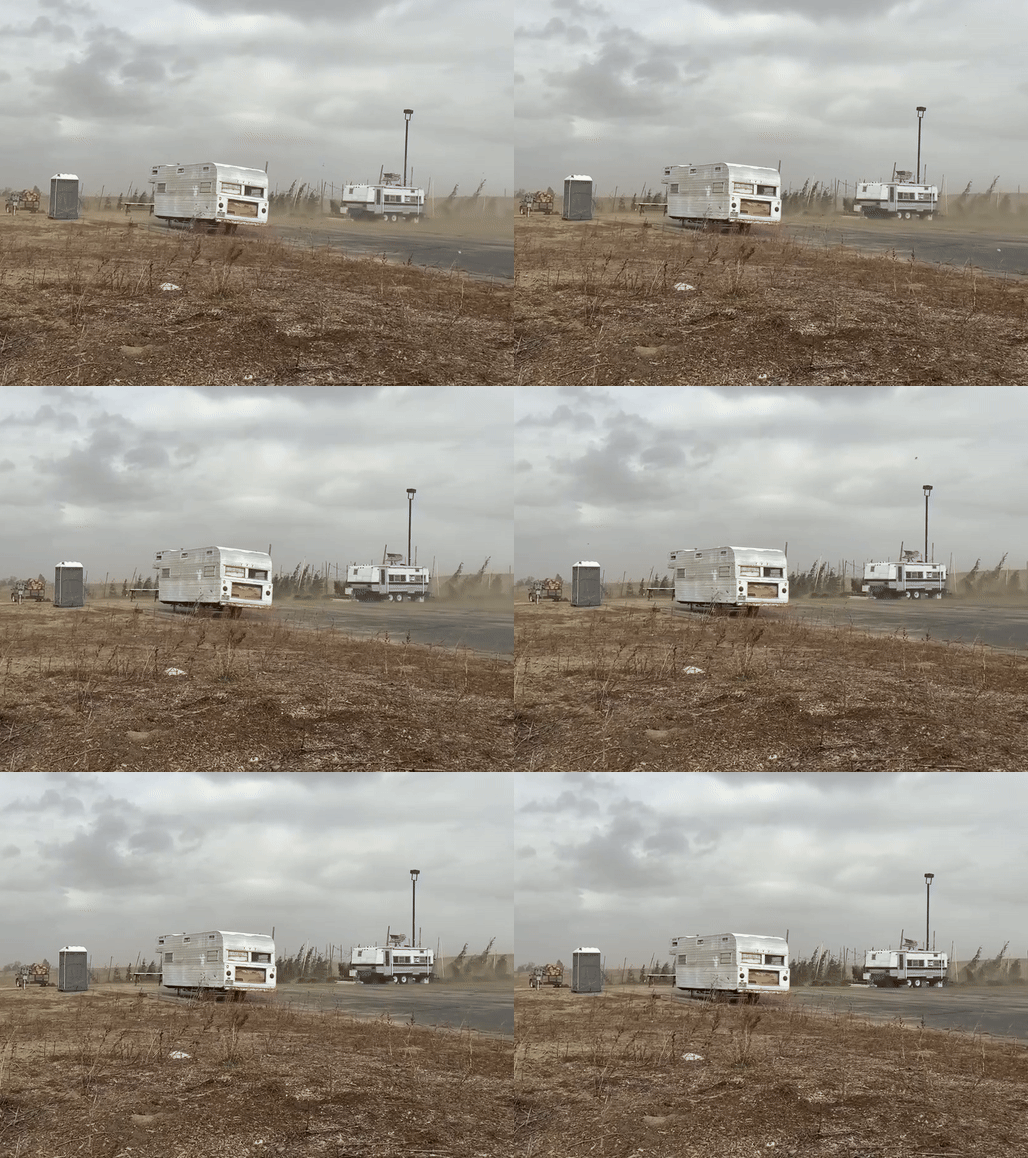
Let’s talk about the smoke and mirrors coming out of Xcel Energy, because what happened in Colorado isn’t just a weather story; it’s a case study in psychological conditioning and infrastructure decay. The official narrative, the one spoon-fed to the masses through legacy news outlets, goes like this: high winds are coming, a potentially catastrophic event (as evidenced by a single, terrifying caravan shaking on the road) forces a preemptive ‘Public Safety Power Shutoff’ (PSPS). The initial warning, a big, scary number—half a million customers—gets everyone in a panic. People rush out, buy generators, stock up on non-perishables, and mentally prepare for a blackout that would make a third-world country blush. Then, just as the tension reaches its peak, the utility company pats everyone on the head and whispers, ‘Just kidding. It’s only 52,000.’ A collective sigh of relief washes over the populace, who are now thankful that a bullet was dodged, and completely miss the real point: they just fell victim to a brilliant piece of behavioral manipulation designed to normalize a new level of control over their lives.
This isn’t just about a weather forecast error. This is about a systemic failure of modern infrastructure being hidden behind a curtain of climate change rhetoric. The goal isn’t just to keep people safe; it’s to create a precedent, to condition the public to accept widespread, preemptive power rationing as the new normal. The initial high number—the half-million scare—was designed to soften the blow for the actual, smaller number, making the eventual 52,000 seem like a victory, a benevolent act of mercy from the corporate overlords. It’s a classic bait-and-switch operation where the customer isn’t just a victim; they’re the subject of the experiment.
The Collapse of Resilience: Why the Grid Is So Fragile
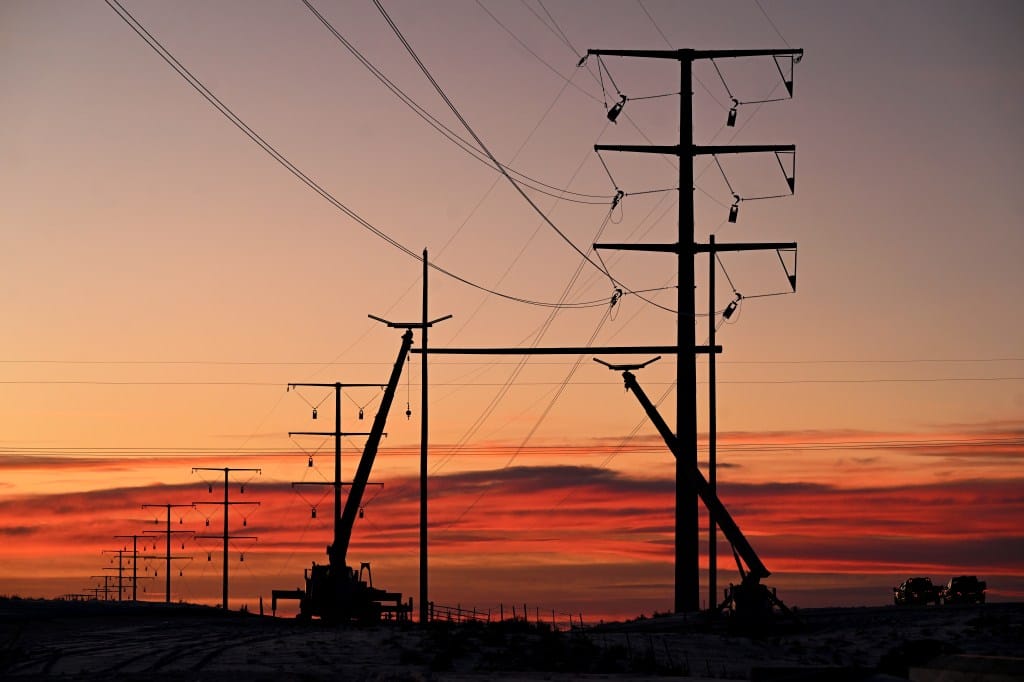
The core issue here is not the wind, which, let’s face it, is just a natural occurrence in places like Colorado and California. The core issue is that our modern infrastructure has become so brittle, so neglected in favor of short-term profits and long-term tech development (like the very smart grids that enable this kind of centralized control), that it can no longer withstand basic weather events. The utility companies, the very entities responsible for maintaining the grid, have realized it’s cheaper to just shut everything off preemptively than it is to invest in hardening the lines, clearing vegetation, and upgrading ancient equipment. They’d rather turn off the power and blame ‘public safety’ than accept responsibility for decades of underinvestment. This new ‘normal’ of PSPS events is simply a corporate accounting trick disguised as environmental responsibility. The people who suffer are the small businesses, the elderly dependent on medical devices, and the families who can’t afford a generator for every single one of these new, regular ‘safety’ blackouts.
And let’s not pretend this is unique to Xcel. This is happening across the country, from PG&E in California to utilities in the Northeast. It’s a predictable consequence of prioritizing profit and cutting costs at every turn. We’ve built a world where everything is connected, where our communications, our finances, our homes, and our transportation systems rely on a stable power supply, yet we continue to allow a handful of corporations to manage that supply with zero accountability. The 52,000 customers in Colorado are just the first round of guinea pigs for a larger, more Orwellian system of resource control.
The Smart Grid and the Illusion of Control
The transition to a ‘smart grid’ was sold to us as a future of efficiency, a way to better integrate renewable energy sources and prevent major failures. The reality, however, looks very different. The smart grid, with its centralized control systems and advanced monitoring, gives corporations the capability to precisely and remotely determine who gets power and who doesn’t. This isn’t just about turning off a neighborhood in an emergency; it’s about potentially rationing power based on real-time data, compliance metrics, or even social scores in the near future. It transforms a utility service from a basic right into a controlled privilege.
Think about the implications of this. If a utility can easily shut off power to 52,000 people today because of high winds, what stops them from doing it next year because of a ‘climate emergency’ mandate that requires reducing consumption? Or because you haven’t complied with certain energy-saving protocols? The ‘smart’ infrastructure we’re building is fundamentally vulnerable because it places control in the hands of a centralized authority that has repeatedly demonstrated a willingness to prioritize corporate interests over public well-being. This vulnerability is the real story here, far more than a blustery day in Boulder County.
The Dystopian Future of Resource Rationing
The current scenario in Colorado is merely a precursor to a future where resource rationing becomes a standard operational procedure. We are moving toward a world where basic resources like electricity are allocated not just based on supply and demand, but based on a new form of digital and environmental social contract. The ‘climate emergency’ (a convenient tool for this purpose) provides the perfect justification. When a large corporation, backed by government policy, can say, ‘We are shutting down power to protect the environment and public safety,’ they effectively neutralize all criticism. The individual’s right to access basic utilities dissolves in the face of the collective, state-sanctioned goal.
What happens when this level of control extends to other resources? When your ability to heat your home, charge your electric car, or even access the internet depends entirely on the whims of a central authority deciding what constitutes a ‘safe’ or ‘sustainable’ action? The caravan shaking in the wind (a reference in the original data) isn’t just a physical event; it’s a metaphor for the precarious position we all find ourselves in as technology and infrastructure become increasingly fragile and controlled. We’re on shaky ground, and the corporate entities managing the infrastructure are actively using these crises to consolidate their power and tighten their grip on our everyday lives.
The revision from half a million potential victims to 52,000 actual victims wasn’t an accident. It was a calculated move to desensitize the public to the very real possibility of mass blackouts. By crying wolf with such an extreme number first, they ensure that when a significant portion of the population loses power in the future, it won’t seem like such a big deal. The public will simply be relieved it wasn’t worse, rather than demanding accountability for the infrastructure failures that made the crisis possible in the first place. This is the new normal, folks. A world where safety is used as an excuse for control, and where a utility company can turn off your lights simply because the wind picked-up a weather alert that a caravan might shake on the highway.