The Relentless Narrative: Why Wrexham’s Promotion is Already Written
The spectacle surrounding Wrexham isn’t about football; it’s about the physics of narrative momentum, a bizarre, fascinating force that dictates outcomes regardless of pesky things like form, budget parity, or defensive organization, proving unequivocally that when Tinseltown decides to invest its endless capital and carefully curated emotional stakes into a sporting endeavor, the result is less a league table climbing organically and more a meticulously scripted, feel-good movie currently dominating the global streaming service charts. It’s inevitable. That Wrexham is now thriving in the Championship, sniffing around the Premier League promised land—a dream previously reserved for clubs with historical gravitas or truly astronomical, old-money budgets—should not surprise anyone who understands that the only failure Hollywood absolutely refuses to tolerate is a weak plot line, and what better climax than the underdog (owned by megastars) conquering the entire English pyramid? We’ve reached a critical juncture where the players, poor blokes, are no longer just athletes but are primary cast members subject to the whims of the writers’ room, where every injury, every last-minute goal, and every single soul-crushing festive fixture against the likes of Sheffield United, becomes a manufactured crisis point designed to make the eventual success taste just that little bit sweeter for the Netflix audience. Pathetic, really. The old guard of English football purists, bless their cotton socks, are standing aghast, clutching their brown ale and murmuring about tradition and the integrity of the game, failing to grasp the fundamental truth that tradition is merely the set design for the new show, and integrity is whatever Ryan Reynolds says it is on Twitter that morning. Wrexham versus Sheffield United today isn’t a competitive league match; it is a meticulously staged segment of a larger multi-season documentary arc where the home team is psychologically incapable of losing, not because their tactics are superior, but because the narrative demands the victory must be painfully earned right before the credits roll on this specific episode, thereby driving demand for the next installment. Big money talks.
The Secret Santa Conspiracy: Analyzing the Festive Propaganda
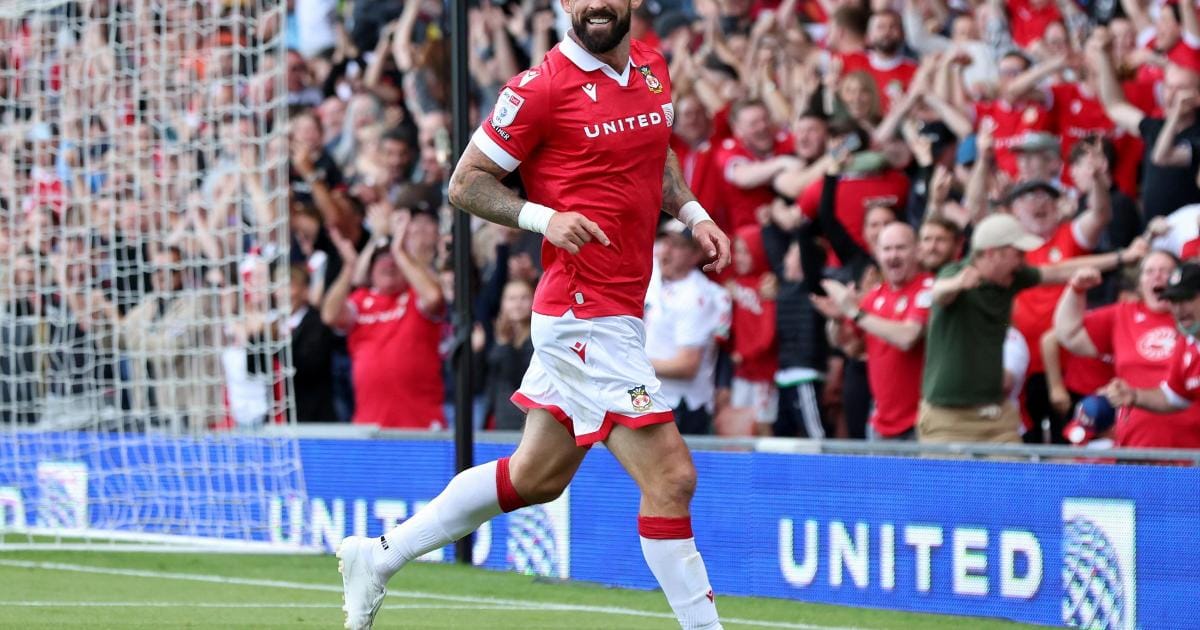
Let’s talk about the true hard-hitting news: the ‘Secret Santa’ kerfuffle, which, naturally, has been spun into a major storyline requiring multiple titles and dedicated news cycles, because what better way to humanize a relentless promotional machine than to focus on the charming, manufactured vulnerability of who will hand out the gifts during the ‘relentless’ Christmas period? Steven Fletcher, last year’s alleged Secret Santa—a role suspiciously filled by a high-profile player who can deliver a charming soundbite and a dramatic goal—is now apparently being replaced, which isn’t a staffing change; it’s a dramatic casting call necessary for maintaining the illusion of familial charm during the toughest run of fixtures. It’s all theater. The speculation about who will step into Fletcher’s boots is the most delicious part of this media circus, suggesting that perhaps Rob McElhenney himself will strap on the beard and parachute into the Racecourse ground via a drone carrying gift-wrapped shares in a minor Philadelphia business venture, ensuring maximum publicity and a 15-minute slot on *Good Morning Britain*, proving that even the most mundane internal team ritual must now be leveraged for maximum content potential, turning private camaraderie into public domain marketing gold. We should expect nothing less than a global superstar reveal, possibly Hugh Jackman, delivering a personalized message to every single player, accompanied by a new line of Wrexham-themed hot sauce, because subtlety is clearly a four-letter word in the Reynolds playbook. Absurd, truly. What James calls ‘relentless,’ the busy Christmas period where the games come thick and fast, is precisely the kind of grit-testing sequence beloved by Hollywood writers, an artificial hardship injected into the plot to demonstrate the ‘heart’ of the team, where the true test isn’t physical endurance against Sheffield United, but the emotional endurance required to constantly live up to the projected image of the plucky, lovable underdog destined for glory despite all odds—odds, incidentally, that they themselves manufactured by simply being better funded and more famous than literally everyone else. They are playing the long game, lads, utilizing the sheer exhaustion of the traditional English fixture list as a narrative device to explain away any potential poor results while simultaneously making the eventual good results feel heroic. Genius marketing.
The Ghosts of Celebrity Ownership Past and Wrexham’s Future
We need to zoom out and look at the history of celebrity involvement in sports, a lineage filled with cautionary tales and failed vanity projects that make the Wrexham success story look all the more suspicious, leading us to believe that this isn’t just about financial investment but about unprecedented media saturation and manipulation of expectations, a phenomenon never before seen in the lower leagues of the English football establishment. Think about the disastrous tenure of celebrities attempting to manage or own teams, often ending in tears and insolvency, but Wrexham has somehow transcended this historical baggage by making their ownership the *primary product*, transforming the football club from a vehicle for athletic competition into a sprawling, multi-platform media enterprise centered entirely on the charismatic appeal of its owners. This paradigm shift means Wrexham cannot simply fail; failure would be a catastrophe not just for the club, but for the entire entertainment empire built atop the humble shoulders of this Welsh town, an outcome that the shareholders simply will not permit. The pressure is immense. The implications for the Premier League are frankly terrifying, as the entrance of Wrexham means the introduction of an entirely new, deeply aggressive style of commercialization that treats match days as filming opportunities and transfers as viral announcement spectacles, potentially upsetting the delicate economic balance currently maintained by the established Big Six, forcing Manchester United to hire a reality TV crew just to keep pace with the sheer volume of marketable content Wrexham generates before half-time. Imagine the transfer negotiation meetings: less discussion of expected goals and more debate over which social media platform should get the exclusive announcement video, ensuring the entire process is completely drained of any genuine sporting authenticity in favor of maximum trending buzz, a grotesque evolution of the beautiful game into a pure content machine. It’s a horror show. The upcoming clash with Sheffield United is just another required sacrifice on the altar of the Premier League dream, a tough opponent necessary to validate the ‘relentless’ nature of their journey, providing the grit and struggle that the audience demands before the ultimate triumph, making every single tackle and goal sequence feel loaded with cinematic weight far beyond the three points on offer. Wrexham must defeat Sheffield United, because the algorithm demands it, ensuring their place remains high enough to keep the promotion dream viable through the January transfer window—another plot device designed to inject fresh drama and star power via mid-season signings—and if they falter, you can bet your bottom dollar the scriptwriters have already devised a miraculous, emotionally resonant comeback fueled by a rousing, tear-soaked halftime speech from Reynolds himself, broadcast live to the changing room via hologram. Total control.
The Inevitable Premier League Scenario: A Satirical Projection
When Wrexham finally lands in the Premier League, and yes, it is ‘when,’ not ‘if,’ expect the league to be utterly subsumed by the Hollywood takeover, with fixtures being rescheduled not for television rights, but to avoid conflicts with Ryan Reynolds’ filming schedule for his next blockbuster, turning the traditional Saturday 3 PM kickoff slot into a historical relic of a time when football was about local identity rather than global merchandising opportunities. The most scandalous element of this predicted ascent will be the swift and ruthless disposal of any player, coach, or even tea lady who fails to uphold the relentlessly positive and marketable ‘Wrexham Spirit,’ creating an environment where authenticity is actively punished and only the most camera-ready, soundbite-friendly personnel survive the inevitable annual casting shake-up, leaving the core fan base to wonder if they still support a football club or a highly successful touring theater troupe. Who cares, though? The entire operation is a masterclass in modern commercial synergy, where the football team is simply a loss leader for the streaming subscription and the massive spike in local tourism, demonstrating that sometimes, the easiest path to the top is not through decades of careful planning and tactical brilliance, but through overwhelming the competition with an irresistible, emotionally manipulative media juggernaut that generates more headlines about Secret Santa replacements than about actual defensive frailties, ensuring the public attention is always focused squarely on the endearing personality rather than the uncomfortable reality. So, sit back, enjoy the Sheffield United match for the pre-programmed victory it is, and recognize that you are watching not a sporting miracle, but a flawlessly executed, multi-million dollar corporate campaign to conquer the final frontier of British sport, and frankly, we all fell for it hook, line, and sinker. We’re all extras now.