Northeast Ohio Faces Winter’s Fury: Widespread Disruptions and Lingering Snow
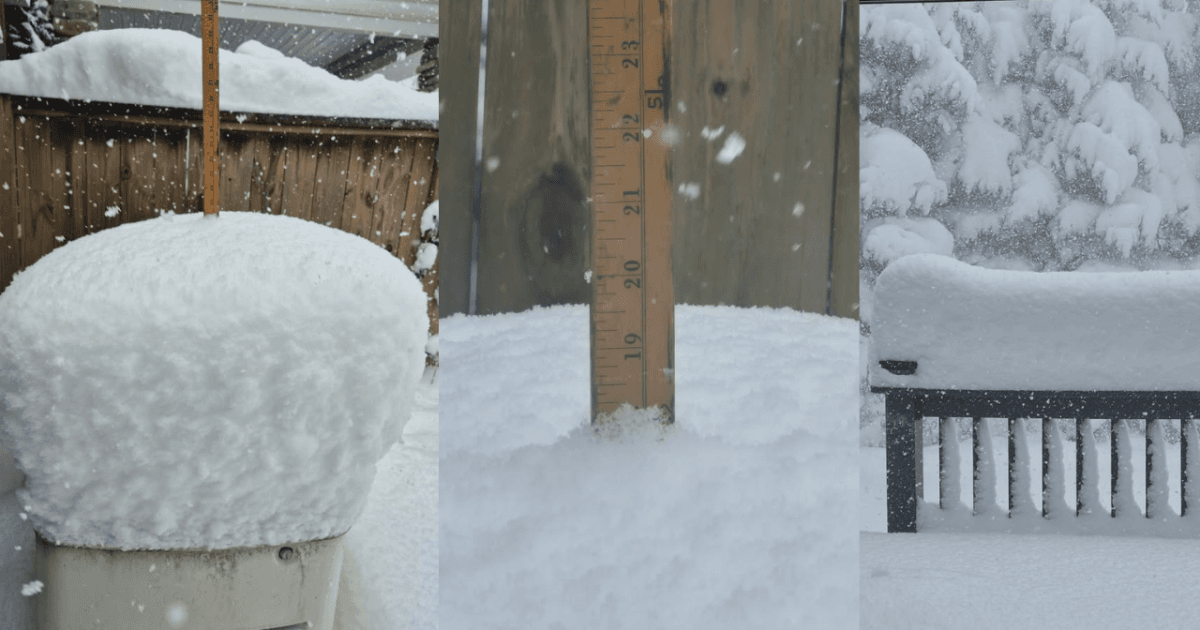
Northeast Ohio is firmly in the grip of winter, experiencing significant weather disruptions as a substantial snowstorm passed through the region Wednesday into Thursday. The severe weather led to widespread school closings, impacting the daily routines of thousands of students and families.
Over 400 school districts across Northeast Ohio announced closures, reflecting the severity of the conditions. This mass shutdown highlights the challenges that winter weather presents to educational institutions and the communities they serve. Winter warnings, watches, and advisories were also in effect, underscoring the hazardous nature of the ongoing weather event.
Lake-Effect Snow and the Immediate Forecast
The primary driver of the current wintry conditions has been lake-effect snow, a phenomenon particularly common in regions downwind of large bodies of water during colder months. This type of snow occurs when cold, dry air moves over the relatively warmer waters of a lake.
As the air passes over the lake, it picks up moisture and heat. When this warmer, moist air reaches the colder land, it cools and condenses, producing heavy snowfall in concentrated bands. This is precisely what Northeast Ohio has been experiencing.
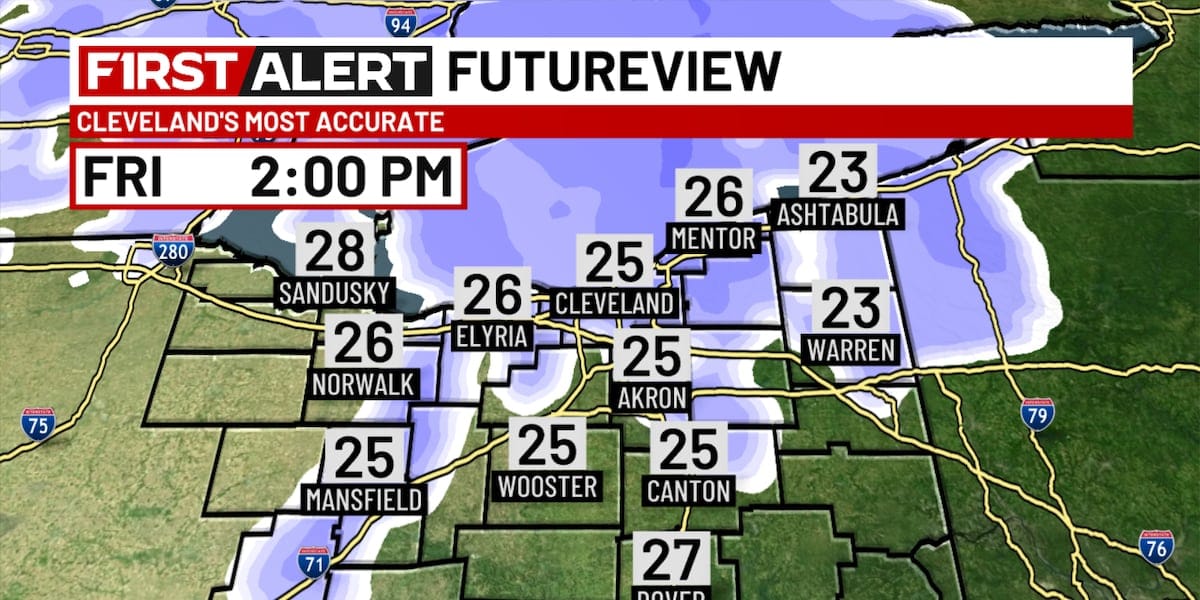
While the most intense period of lake-effect snow is winding down tonight, the forecast indicates no immediate reprieve. Residents are being warned that more snow is expected to arrive on Friday, potentially compounding the existing accumulations and continuing the disruption.
Why This Matters: The Impact of Severe Winter Weather
The recurring and often intense winter storms in regions like Northeast Ohio have profound implications beyond just inconvenience. Widespread school closures, like the more than 400 reported, disrupt learning, childcare arrangements, and the local economy. Parents may struggle to find alternative care, and businesses can face reduced staffing as employees navigate hazardous travel conditions or family responsibilities.
Furthermore, the cumulative effect of heavy snowfall and cold temperatures places a significant strain on municipal resources. Public works departments are tasked with snow removal, which requires substantial expenditure on equipment, fuel, and labor. The risk of power outages due to snow and ice accumulation also adds another layer of concern, impacting homes and businesses.
The economic ripple effects extend to transportation and retail. Reduced travel can lead to lower sales for businesses reliant on foot traffic, while delivery services face delays. The cost of heating homes and businesses also increases during prolonged cold spells.
Broader Trends: Climate and Winter Weather Preparedness
While this specific event is a product of natural weather patterns, it occurs within a broader context of discussions about climate and weather preparedness. Scientific research into climate change suggests that while overall global temperatures are rising, extreme weather events, including heavy precipitation and intense cold snaps, may become more frequent or severe in certain regions.
Understanding and adapting to these patterns is crucial for communities. This involves investing in infrastructure that can withstand extreme conditions, developing robust emergency response plans, and promoting public awareness campaigns about weather safety. The frequency of such events underscores the importance of year-round preparedness, not just during the immediate storm.
The reliance on school closures as a primary safety measure, while often necessary, also points to a need for discussions on alternative educational delivery methods during severe weather, such as enhanced remote learning capabilities. This can help mitigate the educational disruption caused by unavoidable closures.
Looking Ahead: Continued Winter Conditions
As Northeast Ohioans dig out from the latest snowfall, the immediate future offers little respite. The forecast for Friday indicates additional snow, meaning that the cycle of hazardous travel and continued operational challenges for schools and businesses is likely to persist.
Residents are advised to stay informed about weather updates from local authorities and meteorologists. It is prudent to ensure that homes are adequately prepared for continued cold and potential power disruptions. The coming days will likely require continued vigilance and adaptation as winter weather continues its hold on the region.