The Countdown to Collapse Has Begun: Waterbury is Just the First Domino
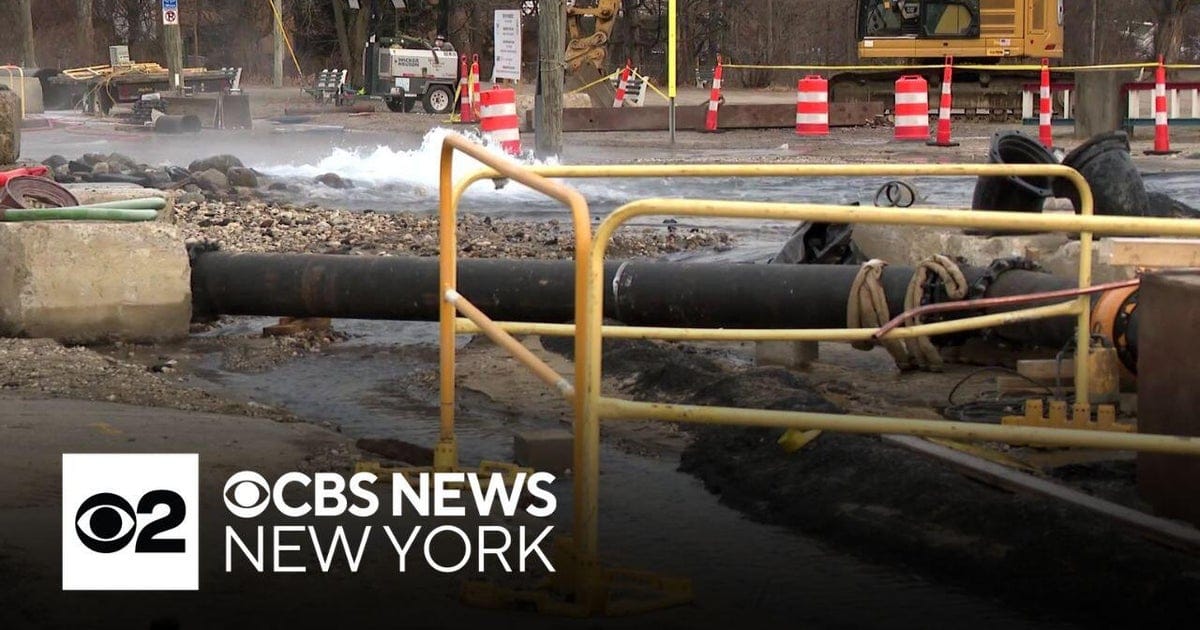
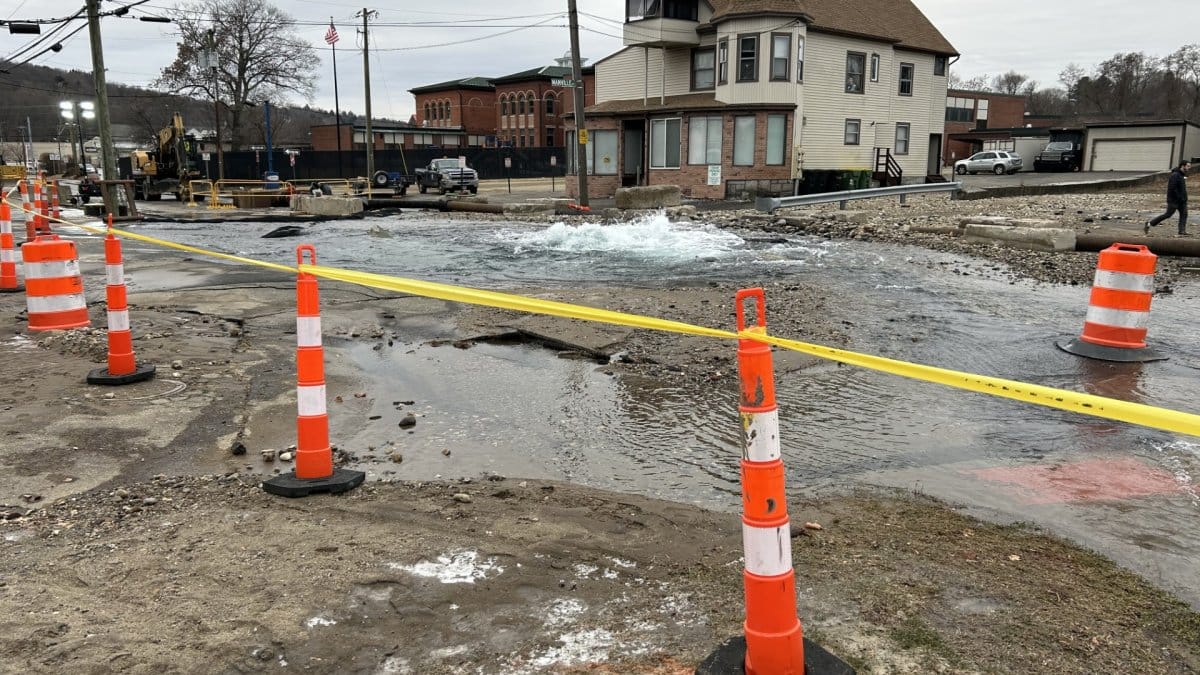
Let’s not mince words. What just happened in Waterbury, Connecticut—the complete, catastrophic failure of a high-pressure water main that left nearly 100,000 people without a drop of clean water—isn’t an accident. It’s a dress rehearsal. It’s a terrifying look at what happens when decades of political neglect finally come home to roost. We are living in a grave new world where the absolute basics of survival are no longer guaranteed, and if you aren’t paying attention, if you aren’t preparing, you will be caught completely flat-footed when this happens to your city. The politicians will tell you it’s ‘much worse than expected’ (which is exactly what the Waterbury mayor said, by the way) but that’s just code for ‘we knew this was coming, we just hoped it wouldn’t happen on our watch.’ This isn’t just about Waterbury; this is about every single city in America that has let its infrastructure decay into a state of total fragility. It’s a ticking time bomb, and the clock just hit zero in Connecticut.
The Illusion of Safety Shatters
We take for granted that when we turn on the faucet, water will flow. We assume that when we flush the toilet, the waste will go away. This assumption forms the very foundation of modern civilization. But when that foundation cracks, everything—and I mean everything—comes crashing down. Think about it: a city of 100,000 people, plus two large suburbs, reduced to a pre-industrial state in an instant. No clean water for drinking. No water for sanitation. No showers. Hospitals have to scramble to find solutions. Businesses are forced to shut down. This isn’t some dystopian movie plot; this is reality, right now, in America’s fifth largest city (Connecticut’s fifth largest city, I mean, but still). The psychological impact alone should send shivers down your spine. The sudden, desperate realization that the government, which collects taxes every single year, has failed to maintain the most basic requirement for life is absolutely terrifying. People are lining up for bottled water, fighting over resources, and wondering if this short-term crisis is actually just the beginning of a long-term decline.
The phrase “aging infrastructure” is a politician’s wet dream for avoiding accountability. It sounds so technical and inevitable, like something that just happens naturally, like gray hair or wrinkles. But infrastructure doesn’t just ‘age’ into failure; it’s actively neglected. It’s starved of funding year after year because maintaining underground pipes isn’t sexy. There are no ribbon cuttings for replacing a water main. There’s no political capital to be gained from doing the necessary, unglamorous work of ensuring basic services. Instead, politicians choose high-speed rail projects that go nowhere, stadiums for billionaire owners, and bloated bureaucracies while ignoring the very arteries that keep a society alive. This isn’t a funding issue; it’s a priority issue. Every single dollar diverted away from essential services and toward vanity projects is a nail in the coffin of American reliability. The damage to the water main in Waterbury was much worse than expected, Mayor Paul Pernerewski said, because they hadn’t put a shovel in the ground for real maintenance in decades, probably. They knew the risk, they ignored it, and now 100,000 people are paying the price. This isn’t just incompetence; it’s negligence on a massive scale that should be criminal.
Panic and the Domino Effect
When the water stops flowing, the panic starts immediately. The first thing that happens is a run on bottled water. Grocery store shelves are emptied in hours. This creates a cascade effect where those who didn’t get to the store in time are left vulnerable. The secondary effect is the breakdown of sanitation. No running water means no working toilets. The risk of disease outbreaks skyrockets. Cholera, dysentery—these are medieval diseases that we assume have been eradicated in the developed world. But without sanitation, they come back with a vengeance. We are one broken pipe away from a major public health crisis. And let’s not forget the economic impact. Every business that relies on water—restaurants, laundromats, manufacturers—is instantly paralyzed. The city of Waterbury, and its surrounding areas like Wolcott and Watertown, faces a complete economic shutdown for as long as it takes to fix this problem. And a “much worse than expected” problem usually means a “much longer than anticipated” repair time. The mayor’s statement suggests a level of decay that could take weeks, not days, to resolve.
This isn’t an isolated incident, either. Waterbury is just the latest, high-profile example in a terrifying trend. We saw Flint, Michigan, where a toxic combination of neglect and political malfeasance led to lead poisoning in the drinking water for years. We saw the Texas power grid collapse during a winter storm because politicians prioritized deregulation over weatherization. Every single time, the same pattern repeats itself: a systemic failure of basic infrastructure, followed by government officials downplaying the issue, followed by massive public suffering, and finally, a promise to fix it that rarely materializes fully. We are witnessing the slow-motion decay of a superpower. The very fabric of society is being stretched thinner and thinner until it finally snaps. The question isn’t whether it will happen again; the question is where it will happen next, and how much worse the consequences will be. Will it be a major metropolis like New York or Chicago? Will it be during a heatwave or a cold snap, compounding the misery? This isn’t paranoia; it’s pattern recognition. And the pattern is absolutely horrifying.
The Age of Vulnerability
The core issue is a complete lack of resilience. We have built a system so complex and so interconnected that a failure in one area can instantly bring down an entire region. Our water systems, our power grids, our communications networks—they are all soft targets. This Waterbury incident shows us that we don’t even need a terrorist attack or a natural disaster to bring us to our knees. We can do it ourselves, through sheer, unadulterated negligence. The system is so brittle that a single point of failure (a water main break in this case) can cause a complete societal shutdown. This vulnerability extends to everything else we rely on. If the power goes out, the water treatment plants stop working. If the communications networks go down, we can’t coordinate a response. We are completely reliant on systems that are clearly past their expiration date.
The current state of affairs demands a complete shift in thinking. We must move away from a mindset where we trust the government to provide basic services, and instead embrace a mindset of personal preparedness. You cannot rely on a system that is actively collapsing. This isn’t about hoarding; it’s about survival. You must have at least three days’ worth of non-perishable food and water stored. You must have a plan for sanitation when the plumbing fails. The images of people scrambling for bottled water in Waterbury should be a stark reminder that when the crisis hits, you are on your own. The time for denial is over. The time for action—personal action—is now. This is a five-alarm warning, and we are ignoring it at our peril. We are watching the slow, agonizing death of the American dream, where basic necessities are a luxury, not a right. The next time, it won’t just be 100,000 people; it could be millions. Prepare now or face the panic will consume you. This isn’t going away. It’s only going to get worse.