The HDMI Cartel vs. Valve’s Living Room Gambit
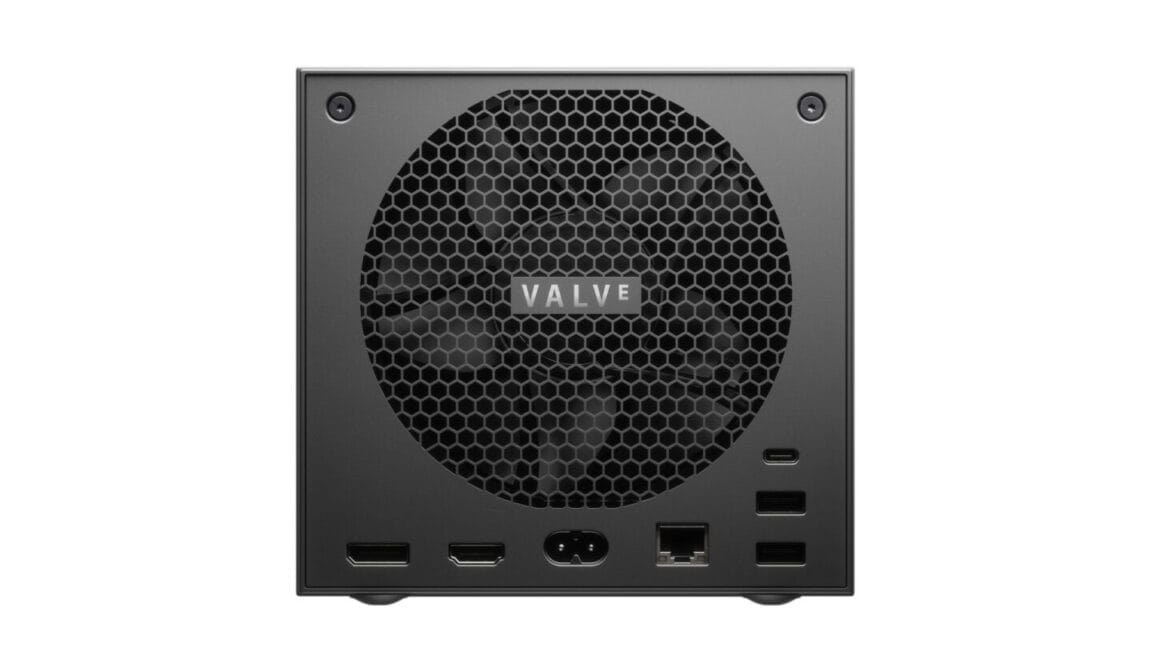
Let’s not mince words: Valve’s new Steam Machine, despite all the hype, is already dead on arrival for serious gamers. Why? Because the corporate leeches who run the HDMI standard have decided to pull the plug on true open-source innovation, leaving Valve’s hardware stuck in the past. It’s not just a technical oversight; it’s a cold-blooded assassination by proprietary standards, and Valve is currently scrambling to unblock the very thing that makes modern gaming worthwhile. When you look at the official spec sheet for the Steam Machine, it doesn’t take long to realize something stinks. The official output standard listed? HDMI 2.0. That’s right, the very same standard that’s already collecting dust in the bargain bin of history. This isn’t just a misstep; it’s a fundamental misunderstanding of the current console landscape, or worse, a deliberate choice forced upon Valve by a consortium prioritizing profit over consumer experience.
The Great Deception: HDMI 2.0 in a 2.1 World
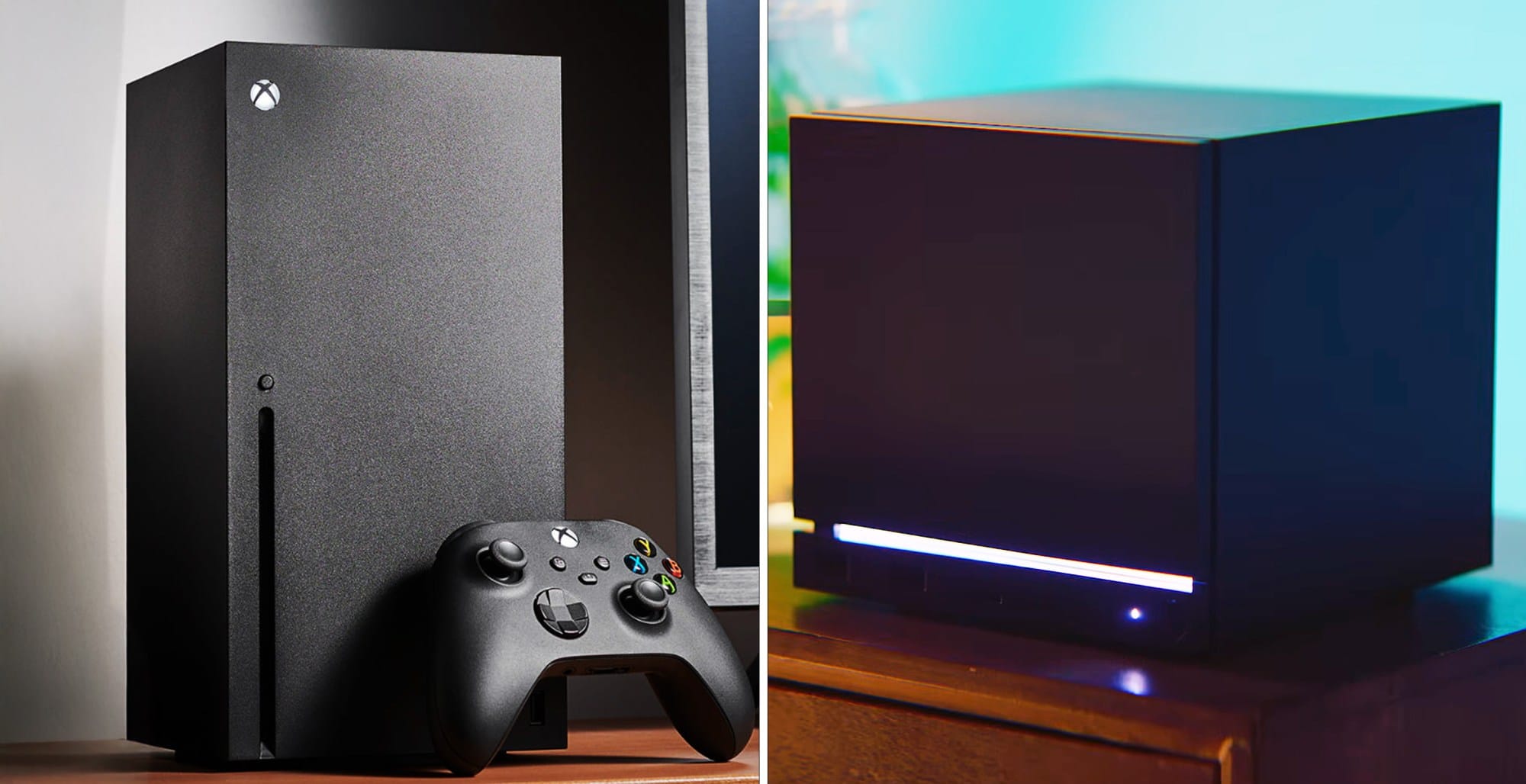
Let’s be honest, calling the Steam Machine a ‘game changer’ while simultaneously restricting its output to HDMI 2.0 is a bit like calling a bicycle a high-speed car—you’re technically moving, but you’re missing the point entirely. The PS5 and Xbox Series X made HDMI 2.1 the baseline requirement for next-gen performance years ago. This isn’t just about higher resolution; it’s about variable refresh rate (VRR), auto low latency mode (ALLM), and the ability to run games at 4K resolution at a buttery-smooth 120 frames per second. If you’re a serious gamer, you demand 120Hz. You demand VRR to eliminate screen tearing. If you’re a serious PC gamer, you demand those features as standard. But what did Valve deliver? A box that can only do 4K at 60Hz and doesn’t support VRR without a complex workaround that requires a DisplayPort adapter and a specific type of monitor. It’s an absolute clown show for a device meant to compete in the living room space against consoles that solved this problem long ago.
The Real Culprit: The HDMI Forum’s Tight Grip on Standards
Now, let’s get to the real conspiracy. Valve isn’t stupid. They know HDMI 2.1 is essential for modern gaming. So why did they ship a product that looks technologically outdated before it even hits store shelves? The answer lies in the murky, backroom dealings of the HDMI Forum, the consortium that dictates the development and licensing of the HDMI standard. The HDMI Forum, which operates like a cartel of major corporations (think Sony, Samsung, LG, etc.), makes a killing by charging steep licensing fees for new features. The HDMI 2.1 standard is far more complex to implement than 2.0, and crucially, the technical specifications are proprietary. If you want to put an HDMI 2.1 port on your product, you have to pay a significant licensing fee and adhere to their strict certification process. This system is designed to favor the established players who can absorb these costs and to stifle smaller, innovative companies like Valve that prefer an open-source approach to hardware and software.
Valve has always positioned itself as the champion of open-source software, particularly with Linux and their Steam OS. Their whole philosophy is about breaking free from the closed ecosystems of Microsoft and Sony. But when they tried to apply that philosophy to hardware standards, they hit a brick wall built by corporate greed. Valve reportedly tried to persuade the HDMI Forum to open up the technical details necessary for open-source HDMI 2.1 implementation. They wanted to provide drivers for their Linux-based operating system without having to jump through the proprietary hoops required by the Forum. The Forum essentially told them to go pound sand. This isn’t about protecting intellectual property; it’s about control and profit maximization. The HDMI Forum wants to ensure that every company that uses HDMI 2.1 pays tribute to the larger corporations that are part of the consortium, creating a high barrier to entry for smaller competitors. This is why you see a fight breaking out in the headlines over Valve “Trying to Unblock Open-Source HDMI 2.1 Support on Steam Machine.” It’s a polite way of saying Valve is begging the cartel for a break.
The Unofficial Timeline of Blunders and Begging
Phase 1: The Initial Announcement (The Bait and Switch)
When the Steam Machine was first announced, it was pitched as the ultimate solution for PC gaming in the living room. The marketing was slick, promising high-end performance in a compact form factor. But a close reading of the spec sheet, as noted by eagle-eyed gamers, immediately revealed the fatal flaw. Listing HDMI 2.0 output in an era where 2.1 is standard for a console competitor was either a sign of arrogance or ignorance. It showed that Valve had severely misjudged the market’s expectations. This immediately raised suspicion among tech enthusiasts. Why would a company so dedicated to high frame rates and performance skimp on the most basic output standard required to deliver it? The initial assumption was cost-cutting, but the real story is far more insidious.
Phase 2: The Backroom Brawl (The Negotiation)
We now know that Valve has been attempting to engage with the HDMI Forum to find a path toward open-source support. The idea of open-source HDMI 2.1 is essentially a direct challenge to the Forum’s business model. Why pay licensing fees and submit to proprietary certification if the technical specifications are freely available for anyone to implement? Valve’s strategy was clearly to bypass this cost and control by going directly to the source and pleading for a more open approach. This negotiation process, however, dragged on for months, creating significant delays and leading to the decision to launch the Steam Machine with the inferior HDMI 2.0 standard. Valve’s attempt to be the “good guys” for the open-source community inadvertently put them at a disadvantage against their competitors. They tried to fight the system instead of paying the protection money.
Phase 3: The Consumer Fallout (The Consequence)
The consequences of this corporate fight are already evident. The Steam Machine cannot deliver true 4K@120Hz gaming right out of the box. Users are forced to find workarounds, often involving costly DisplayPort to HDMI 2.1 adapters or sacrificing high-refresh-rate gaming entirely. This is a crucial distinction. When a product is designed to compete directly with next-generation consoles, it must meet or exceed those consoles’ capabilities. By failing to integrate HDMI 2.1, the Steam Machine has essentially handed Sony and Microsoft a major talking point. Why buy the Steam Machine when the consoles simply plug and play with the latest display standards? The very promise of ‘PC gaming in the living room’ is undermined when you have to compromise on basic display features. Valve has made its product look cheap, even if the internal components are powerful.
The Broader Implications: Standards Wars Redux
This whole debacle highlights a far larger issue in the tech world: the ongoing battle between open standards and proprietary standards. The HDMI Forum’s stranglehold on the display standard creates a significant barrier to entry for innovators. Imagine if VESA, the organization behind DisplayPort, decided to lock down its technology in a similar fashion. The tech landscape would immediately shift dramatically. The fact that Valve has to actively fight for “open-source support on Steam Machine” for HDMI 2.1 demonstrates how far behind the curve the HDMI consortium is. They are prioritizing a closed-loop business model over the advancement of technology itself. They’ve created a system where only companies with deep pockets can afford to push the boundaries of display technology.
For Valve, this represents a major strategic failure. They miscalculated the cost of fighting the corporate establishment. The Steam Machine was meant to be a revolution, but it might just end up being another footnote in the history of standards wars. Unless Valve finds a miraculous workaround or the HDMI Forum has a sudden change of heart—which is about as likely as pigs flying—the Steam Machine will continue to exist in a strange technological limbo. It’s a powerful device crippled by corporate bureaucracy. Consumers are left holding the bag, wondering why a PC gaming device can’t keep up with consoles on basic features. The writing on the wall is clear: if you can’t play ball with the big boys, you’re going to get left behind, no matter how good your intentions are.