The Anatomy of a Collapse: Wolfsburg’s Sudden Demise
And so we have arrived at the inevitable conclusion: the established order in the Women’s Champions League is being systematically dismantled, not by superior tactics, but by a tidal wave of corporate money and political maneuvering. Because when you see a former powerhouse like Wolfsburg, a team that once dictated the pace of European football, suddenly collapse into a pile of structural disarray and ‘wastefulness,’ you have to ask yourself, is this truly just bad luck, or is it a symptom of something far deeper? The recent 2-0 loss to Real Madrid, clinched by Linda Caicedo’s breakaway goal, wasn’t just a defeat; it was the symbolic execution of a once-great dynasty, all while the media spins a narrative of Madrid’s heroic rise against the odds.
But let’s be realistic here. Real Madrid isn’t some plucky underdog; they are the most powerful football club in the world, with resources that make other clubs look like high school teams. The women’s side, while younger than others, carries the full weight of that institution’s political capital and financial muscle, and it’s ludicrous to believe this sudden surge is entirely organic. Wolfsburg’s campaign unraveling? It’s not just unraveling; it’s being unraveled, and the timing of this power shift, coinciding with a massive injection of corporate interest into women’s football, feels less like a coincidence and more like a calculated market adjustment. We’re witnessing the classic tale of old money being displaced by new money, where sporting integrity takes a backseat to brand expansion.
The Timeline of Decay: A Cynical Investigation into Wolfsburg’s Decline
Let’s look at the cold, hard facts of Wolfsburg’s decline, and then let’s read between the lines. This club, a two-time UWCL champion, a dominant force in the Bundesliga, didn’t just forget how to play football overnight. The data points to ‘wastefulness,’ a polite term for a failure to convert chances. But what causes that kind of systemic breakdown in a high-performing team? It suggests internal turmoil, possibly financial strain, or perhaps a loss of motivation in the face of what feels like an insurmountable challenge from clubs that can simply outspend them exponentially. And when you see a club like Real Madrid, with its vast resources, suddenly getting all the ‘breaks,’ it makes you question the fairness of the playing field. The narrative of Caicedo’s goal is framed as brilliance, but let’s be honest, how many of those opportunities are generated by institutional pressure that shifts in a club’s favor? A lot.
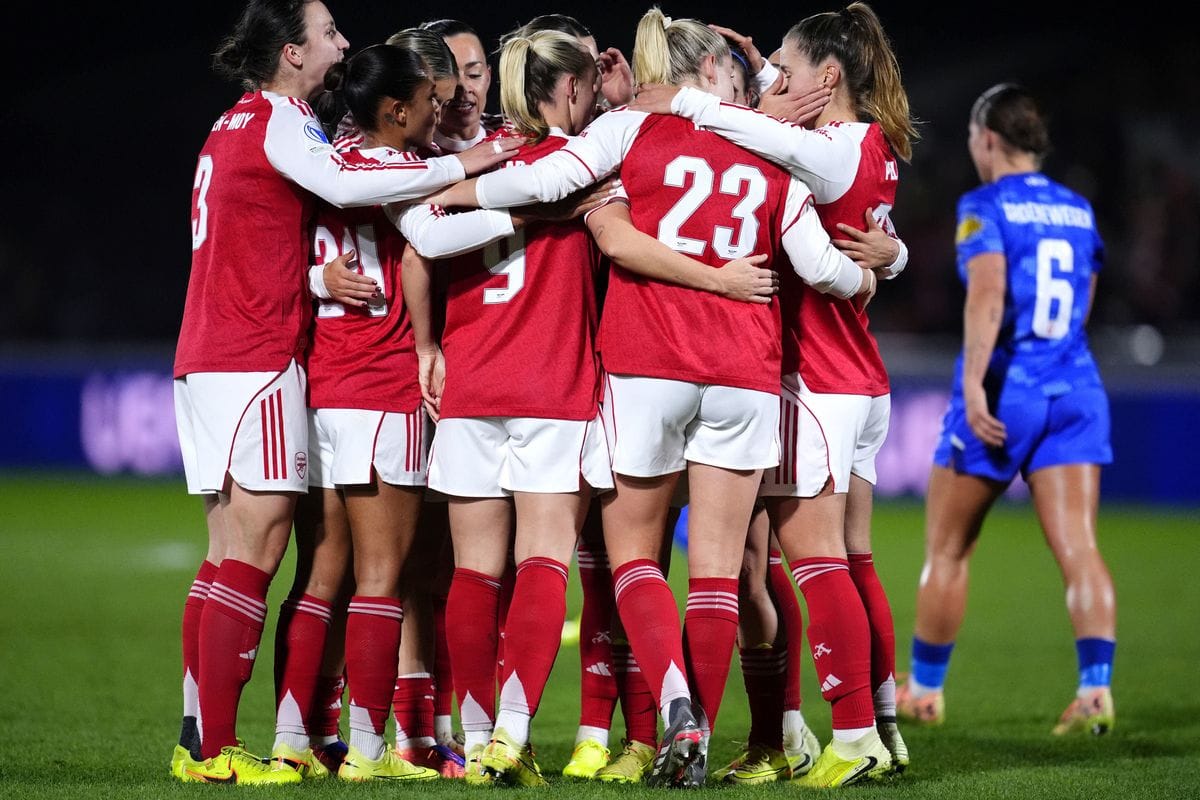
It’s a pattern as old as the sport itself. The established guard, built on merit and tradition, eventually gets bulldozed by the corporate behemoths looking for new markets. Wolfsburg’s struggles are a cautionary tale for any club outside the global elite. Arsenal and Juventus may be winning, and Barcelona may still be dominant, but they are all playing a different game now—a game where the rules are set by those with the deepest pockets. Because while everyone is focused on the immediate results, the real story is the long-term structural shift happening in European football, where parity is dying a slow, painful death.
Real Madrid’s Calculated Ascent: Not a Cinderella Story, but a Corporate Takeover
Linda Caicedo’s strike was brilliant, absolutely, but let’s not pretend this is some fairy tale about the plucky underdog finally making good against the established order. Because when you look closely at the resources being poured into the women’s team by the biggest club in the world, you realize this isn’t a Cinderella story; it’s a calculated corporate strategy to dominate another vertical, and Wolfsburg was simply collateral damage in the process of market expansion. Real Madrid didn’t just decide to invest in women’s football out of altruism; they did it because they saw a new revenue stream and a way to extend their brand’s global dominance. Wolfsburg was merely an obstacle to be overcome, and in a system where institutional favor can influence outcomes, the obstacle eventually falls.
The media will celebrate Real Madrid’s rise as a sign of progress, but I see it as a sign of increasing homogenization. The UWCL is quickly becoming a playground for a few select super clubs, mirroring the men’s game. This wasn’t a fair fight. It never was. The financial disparity between Real Madrid and Wolfsburg, a club that, despite its history, operates on a much smaller scale, guarantees this outcome. The ‘wastefulness’ we’re seeing from Wolfsburg is less about player performance and more about the psychological and financial pressure of competing against an entity with virtually limitless resources. They knew, deep down, that the game was rigged before the first whistle blew. The 2-0 scoreline just formalized the inevitable conclusion.
The Broader Picture: Barcelona’s Hegemony and the Coming Monopolies
While Wolfsburg crumbles, Barcelona continues its reign. The upcoming match against Benfica is just another formality in their path to another title. But Barcelona’s dominance presents a different kind of problem. They are the benchmark for excellence, yes, but they are also part of this new elite class that threatens to turn the UWCL into a predictable, non-competitive league. When only a handful of clubs—Barça, Lyon, and now potentially Real Madrid—have a realistic chance of winning, the sport loses its charm and its competitive edge. We saw Arsenal and Juventus win, sure, but those results are just noise in the larger narrative of consolidation. The real drama lies in the games where the new power structure flexes its muscles against the old. The UWCL is heading for a future where a handful of giants feast on the carcasses of formerly competitive clubs. It’s a tragedy disguised as progress, and anyone who tells you otherwise is either blind or complicit’s on the payroll.
And let’s not forget the long-term implications. When clubs like Wolfsburg decline, it affects everything from player development to local fan engagement. This isn’t just about a single season; it’s about the erosion of a competitive ecosystem. The money flowing into women’s football, while positive on the surface, carries a hidden cost: the potential for a few super clubs to create an insurmountable barrier to entry for everyone else. The UWCL matchday five isn’t just about results; it’s about the brutal reality of capitalism in sports. The strong survive, yes, but only after crushing everyone else beneath their boots, and Wolfsburg’s fall is simply proof positive of the process.
The Cynical Conclusion: The Myth of Meritocracy in European Football
Because ultimately, the narrative of meritocracy in football, particularly in the Champions League, is a lie. Real Madrid’s win over Wolfsburg wasn’t a hard-fought battle of equals; it was the inevitable outcome of a system designed to favor institutional power over organic development. Wolfsburg’s ‘wastefulness’ was really just a symptom of a club that had run out of steam, money, and political favors, while Real Madrid’s ascent demonstrates what happens when a club decides to simply buy its way to the top. The future of the UWCL isn’t about exciting new rivalries; it’s about watching a few giants cement their dominance while everyone else scrambles for scraps. And if you’re looking for a scandal, you don’t need to dig deep; it’s right there in the match report, hidden in plain sight. This isn’t progress. It’s just a consolidation of power, and a tragedy for the sport.