USS Abraham Lincoln in South China Sea Exercises
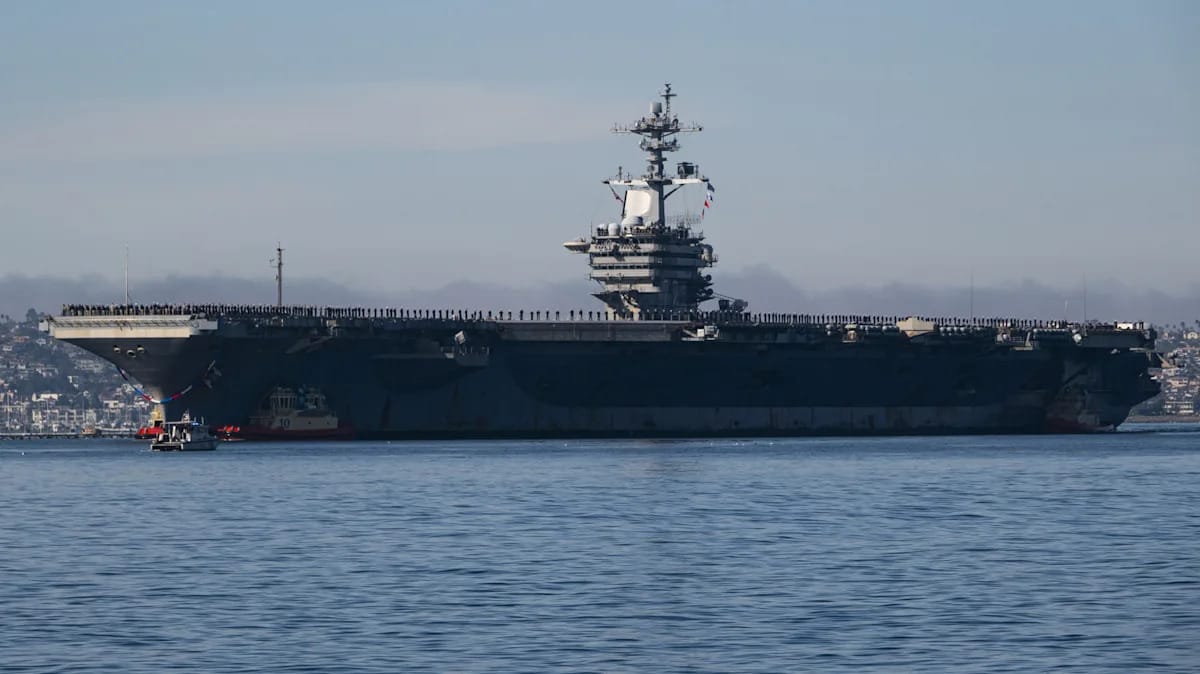
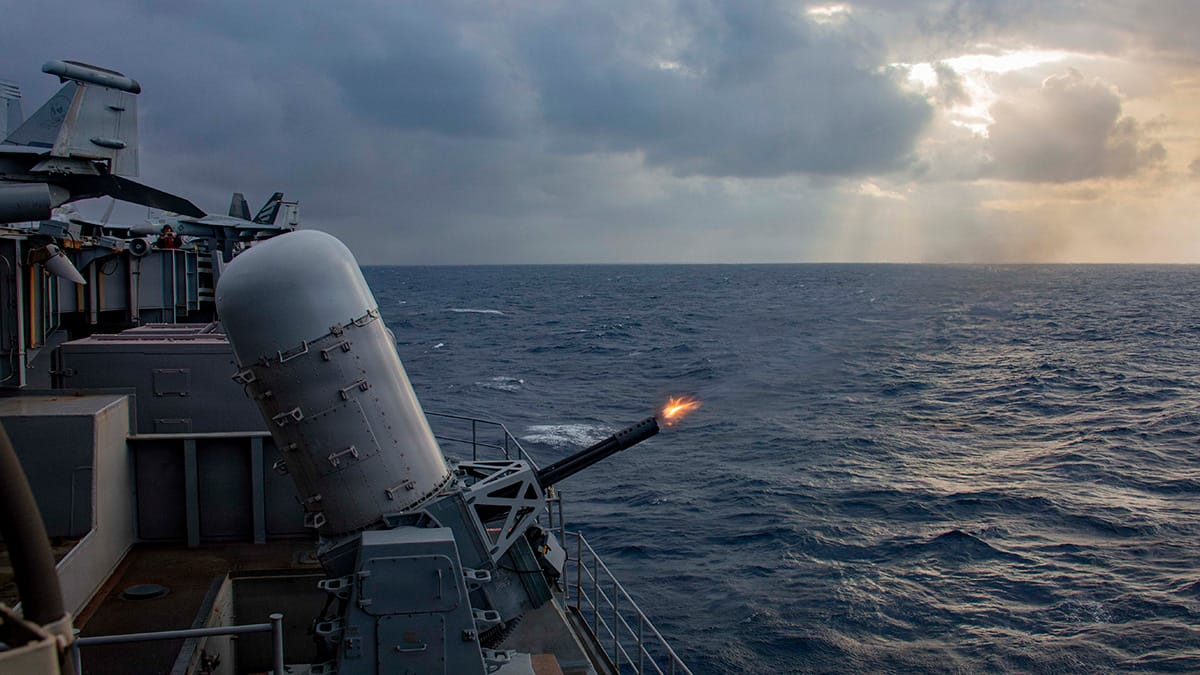
The aircraft carrier USS Abraham Lincoln has been conducting live-fire exercises in the South China Sea. These operations are part of routine deployments by the carrier strike group in the Indo-Pacific region. The exercises demonstrate the U.S. Navy’s commitment to maintaining a presence in the area and ensuring freedom of navigation.
Why This Matters
The South China Sea is a strategically vital waterway, and it is a focal point of geopolitical tensions. China claims sovereignty over a significant portion of the South China Sea, overlapping with claims from other nations, including the Philippines, Vietnam, Malaysia, and Brunei. The U.S. Navy’s presence, including exercises, is viewed by some as a challenge to China’s claims and an affirmation of international law and the right to freedom of navigation.
The exercises are also a show of force, demonstrating the U.S. Navy’s capabilities and readiness. The USS Abraham Lincoln is a nuclear-powered supercarrier, capable of carrying a wide array of aircraft and possessing significant firepower. Its presence sends a clear message about U.S. interests in the region and its commitment to its allies.
Broader Trends and Context
The Indo-Pacific region is experiencing increasing geopolitical competition. China’s growing military and economic influence has led to concerns from the U.S. and its allies. The U.S. has increased its military presence and conducted joint exercises with regional partners to counter China’s assertiveness. The South China Sea is a key arena in this larger strategic competition.
The U.S. Navy’s operations in the South China Sea are part of a broader strategy known as “freedom of navigation operations” (FONOPs). These operations involve the U.S. military sailing and flying through international waters and airspace to assert its rights and challenge excessive maritime claims by other countries. China views FONOPs as a provocation and a threat to its sovereignty.
Looking Ahead
The U.S. Navy is likely to continue conducting operations in the South China Sea. These operations will likely involve the USS Abraham Lincoln and other U.S. Navy vessels, as well as joint exercises with allies and partners in the region. Tensions in the South China Sea are likely to persist, and the U.S. Navy’s presence is expected to be a constant factor in the region’s security dynamics.
Further developments in the South China Sea could depend on several factors, including China’s actions, the responses of other claimant states, and the evolving dynamics of U.S.-China relations. The U.S. Navy will likely adapt its strategy and operations to address these changes, including the possibility of increased joint patrols and exercises with regional allies.
The Strategic Importance of Guam
Why Guam?
While the provided data mentions the USS Abraham Lincoln in Guam, it’s important to understand the broader strategic significance of Guam in the context of the Indo-Pacific region. Guam is a U.S. territory and a critical hub for American military operations. Its location makes it a vital logistical and operational base for the U.S. Navy and other branches of the military.
Guam serves as a key staging area for deployments in the Indo-Pacific. The island provides access to critical infrastructure, including airfields, naval bases, and repair facilities. This allows the U.S. military to project power and respond quickly to events throughout the region. The U.S. military presence in Guam is substantial, and it has been growing in recent years as the strategic importance of the Indo-Pacific has increased.
Guam’s Role in U.S. Strategy
Guam is particularly important for the U.S. Navy. The island is home to a major naval base, which hosts a variety of ships, including submarines, destroyers, and supply vessels. The base provides support for operations in the South China Sea, the East China Sea, and other areas of the Indo-Pacific. In addition to its naval capabilities, Guam is also a key location for air operations.
Guam hosts Andersen Air Force Base, which supports bomber deployments and other air missions. The air base provides a strategic location for conducting training exercises and projecting air power throughout the region. Guam’s strategic importance extends beyond military operations. The island also plays a vital role in humanitarian assistance and disaster relief efforts.
Broader Context: The Indo-Pacific Strategy
The U.S. Indo-Pacific strategy recognizes the critical importance of the region and the challenges posed by China’s growing influence. The strategy focuses on maintaining a free and open Indo-Pacific, which includes promoting freedom of navigation, upholding international law, and supporting the sovereignty of regional partners. Guam is a key component of this strategy.
The U.S. is investing heavily in its military infrastructure in Guam and other locations in the Indo-Pacific. These investments are designed to enhance the U.S. military’s ability to deter aggression, respond to crises, and maintain a presence in the region. The U.S. is also working with its allies and partners, such as Japan, South Korea, and Australia, to strengthen its collective security posture in the Indo-Pacific.
Looking Ahead
Guam’s strategic importance is likely to continue to grow in the years ahead. The island will play a vital role in the U.S. military’s efforts to maintain its presence in the Indo-Pacific and counter China’s growing influence. The U.S. will likely continue to invest in Guam’s military infrastructure and strengthen its partnerships with regional allies.
The strategic importance of Guam is also expected to be affected by broader geopolitical trends. These factors include the evolving dynamics of U.S.-China relations, the security challenges posed by North Korea, and the ongoing efforts to promote regional stability. The U.S. military’s presence in Guam will likely evolve to address these changing circumstances.
The Nuclear Aircraft Carrier: A Symbol of Naval Power
Capabilities of a Supercarrier
The USS Abraham Lincoln is a Nimitz-class nuclear-powered aircraft carrier, a symbol of American military might. These vessels represent the pinnacle of naval engineering and operational capability. Their size, endurance, and striking power make them crucial in projecting U.S. influence around the globe. They are essentially floating airbases, capable of deploying a wide array of aircraft.
A supercarrier like the Abraham Lincoln carries a diverse air wing, including fighter jets, attack aircraft, electronic warfare planes, and helicopters. These aircraft are used for a variety of missions, including air superiority, strike operations, reconnaissance, and anti-submarine warfare. The carrier’s nuclear propulsion system provides virtually unlimited range and endurance, allowing it to operate for extended periods without refueling.
Impact on Regional Stability
The presence of a nuclear aircraft carrier like the USS Abraham Lincoln has a significant impact on regional stability. It signals the U.S.’s commitment to its allies and its determination to defend its interests in the region. The carrier’s presence can deter potential adversaries from aggressive actions and provide reassurance to U.S. partners.
The U.S. Navy frequently conducts exercises and operations with its allies in the Indo-Pacific. These exercises demonstrate interoperability, enhance the readiness of participating forces, and build partnerships. The Abraham Lincoln’s presence, along with its air wing, greatly enhances these capabilities and shows the U.S.’s dedication to working together with its partners.
The Strategic Role of Aircraft Carriers
Aircraft carriers play a vital role in U.S. military strategy. They provide a mobile platform for projecting power, conducting humanitarian assistance and disaster relief operations, and responding to crises. Their flexibility and versatility make them a valuable asset in a wide range of operational environments.
Aircraft carriers also serve as a symbol of U.S. leadership and commitment to global security. They are visible reminders of the U.S.’s ability to project power and protect its interests. The presence of these carriers supports broader U.S. diplomatic and economic goals. Aircraft carriers are instrumental in maintaining international order and stability.
Looking Ahead: Future of Naval Power
The U.S. Navy is constantly evolving to meet the challenges of the future. The next generation of aircraft carriers is under development, with new technologies and capabilities being incorporated. These advancements will further enhance the U.S. Navy’s ability to project power and maintain its dominance at sea.
The role of aircraft carriers in the 21st century is likely to be shaped by a variety of factors, including the rise of new technologies, the changing geopolitical landscape, and the evolving nature of warfare. The U.S. Navy will likely continue to invest in its aircraft carriers, adapting them to meet new challenges and maintain its global presence.