
US Personnel Relocated Amidst Heightened Iran Tensions
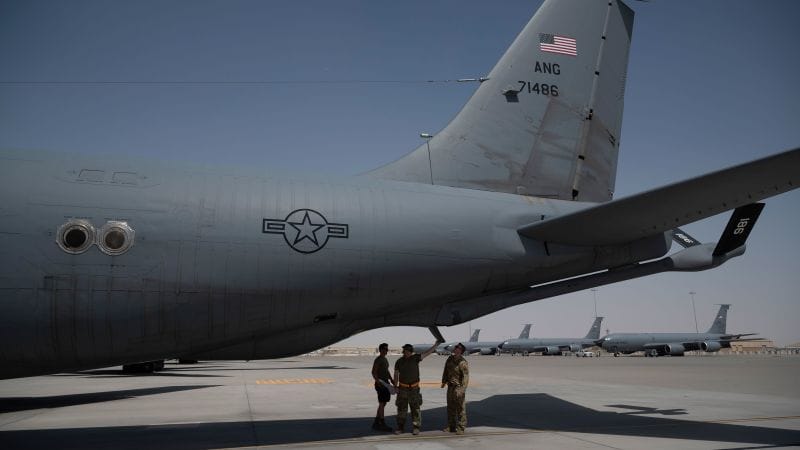
The United States has begun relocating some personnel from its largest military installation in the Middle East, a move that comes as concerns over potential conflict with Iran continue to escalate.
An official familiar with the matter confirmed that some personnel at the base in Qatar have been urged to leave. This action signals a heightened state of alert within the U.S. military presence in the region.
Regional Concerns Grow as US Forces Adjust
The decision to withdraw some personnel follows growing anxieties among Iran’s neighboring nations. These countries are reportedly pressing the Trump administration for clarity and de-escalation as regional tensions reach a critical point.
The presence of U.S. forces in the Middle East is a significant factor in regional security dynamics. Any adjustments to force posture are closely watched by allies and adversaries alike.
Iran’s Warning and Potential Retaliation
Adding to the complex geopolitical landscape, Iran has issued warnings of potential retaliation should the United States initiate any military strikes. This rhetoric underscores the volatile nature of the current standoff.
The implications of direct military confrontation between the U.S. and Iran would be far-reaching, impacting global stability, energy markets, and regional alliances.
Context: A History of Strained US-Iran Relations
The current tensions are rooted in a long and often fraught history between the United States and Iran. Diplomatic relations were severed following the 1979 Iranian Revolution, and interactions have largely been characterized by suspicion and intermittent confrontation.
Key flashpoints have included Iran’s nuclear program, its support for regional proxy groups, and international sanctions imposed by the U.S. and its allies. Recent years have seen a significant increase in rhetoric and actions that have pushed the two nations closer to the brink.
The Nuclear Deal and Sanctions
A pivotal moment in recent U.S.-Iran relations was the 2015 Joint Comprehensive Plan of Action (JCPOA), commonly known as the Iran nuclear deal. This agreement, brokered by world powers, aimed to limit Iran’s nuclear activities in exchange for sanctions relief.
However, the U.S. withdrew from the JCPOA in 2018 under the Trump administration and reimposed stringent economic sanctions. Iran has since been steadily increasing its enrichment of uranium, exceeding the limits set by the original deal, a move that has further alarmed international observers.
Regional Proxy Conflicts and U.S. Military Presence
The U.S. military has a significant footprint across the Middle East, with bases in numerous countries, including Qatar, which hosts the Al Udeid Air Base, one of the largest U.S. facilities in the region. This presence is intended to counter threats from extremist groups and maintain regional stability.
Iran, in turn, has been accused of supporting various militant groups and militias across the region, including in Lebanon, Syria, Iraq, and Yemen. These groups often act as proxies, advancing Iran’s strategic interests and challenging U.S. allies like Saudi Arabia and Israel.
The Role of Diplomacy and International Pressure
Amidst the rising military posture, diplomatic efforts and international pressure play a crucial role in preventing escalation. European allies, in particular, have urged restraint from both Washington and Tehran.
The United Nations and other international bodies have also called for de-escalation and dialogue. However, the path to a diplomatic resolution remains complex, with deep-seated mistrust and competing interests at play.
Economic Implications of Conflict
Any military conflict in the Strait of Hormuz, a vital chokepoint for global oil supply, could have devastating consequences for the world economy. Oil prices would likely surge, impacting inflation and economic growth worldwide.
The broader economic stability of the Middle East, already fragile in many areas, would be severely jeopardized, potentially leading to wider humanitarian crises and displacement.
What This Means for the Region
The movement of U.S. personnel and the heightened rhetoric signal a critical juncture in the ongoing standoff. The actions taken by both the U.S. and Iran, as well as the reactions of regional powers, will shape the immediate future of the Middle East.
The coming days and weeks are likely to be closely monitored by international governments, financial markets, and citizens across the globe as the situation remains highly fluid.
Photo by rabeca on Pixabay.