You Can’t Make This Up: A Floating Catastrophe
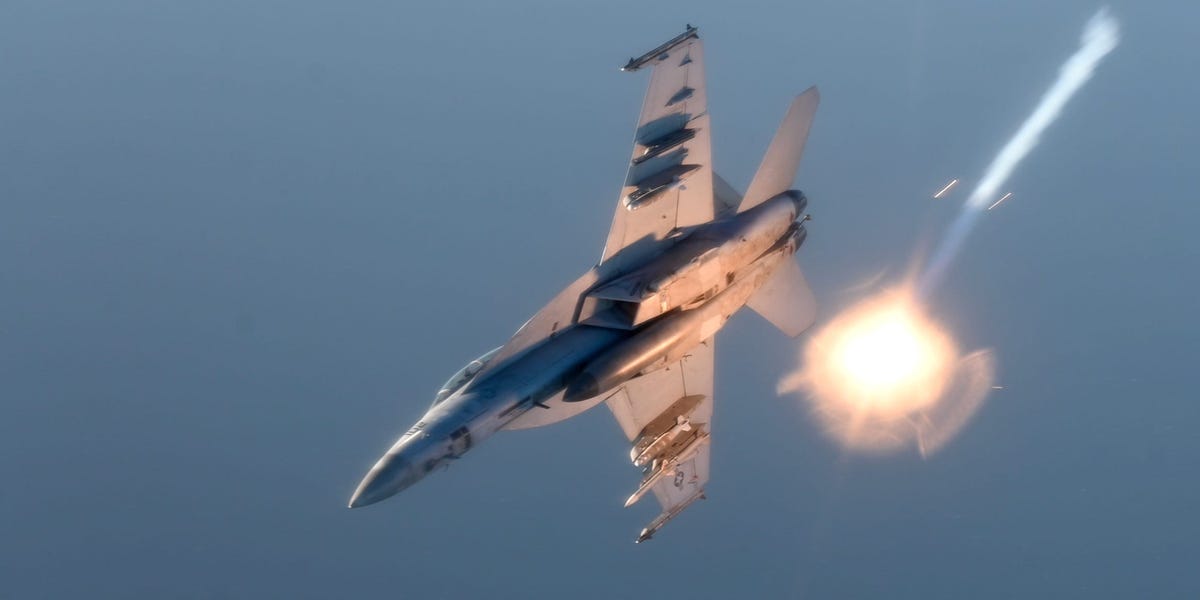
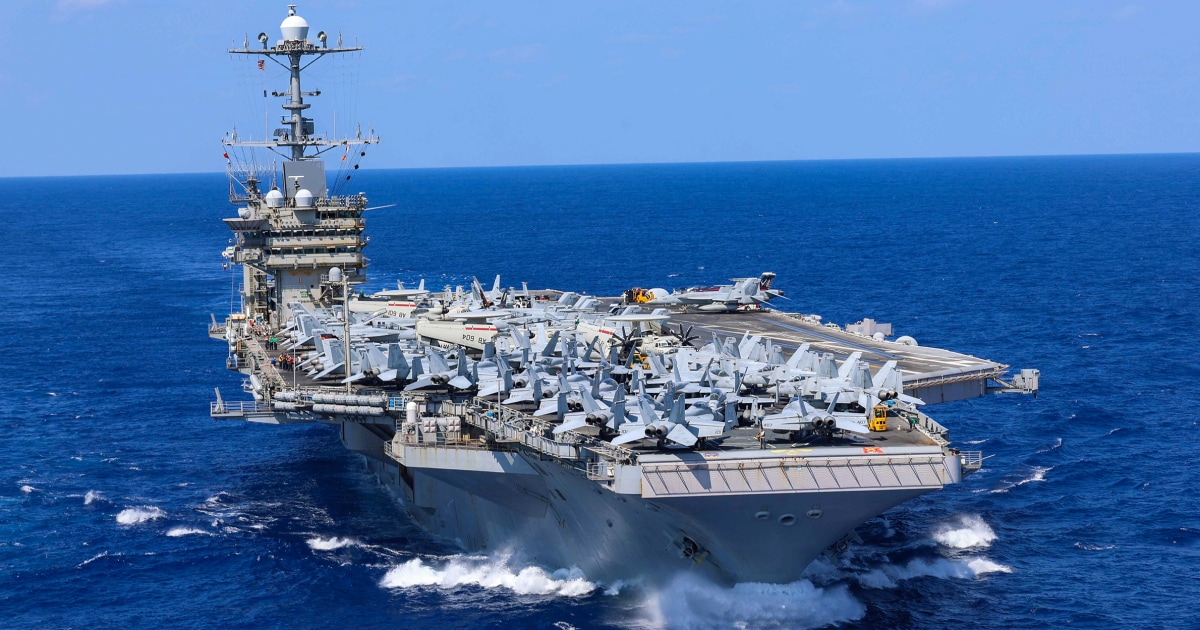
Let’s just get this straight. The United States Navy, the most lavishly funded, technologically advanced, globe-spanning maritime force in the history of mankind, built a billion-dollar warship, staffed it with highly trained sailors, armed it with sophisticated missiles, and then used it to… shoot at its own fighter jets. This isn’t a scene from a bad action movie. It’s a documented fact buried in a sanitized report about the USS Harry S. Truman carrier strike group’s deployment. They mistook two of their own F/A-18s, a pinnacle of American aerospace engineering, for some jury-rigged cruise missile fired by Houthi rebels in Yemen. Let that sink in for a moment. The entire purpose of a carrier group’s layered defense system, a web of sensors and communications worth more than the GDP of some small countries, is to distinguish friend from foe, and it failed at the most basic level imaginable. This is not a simple oopsie. This is a five-alarm fire in the Pentagon’s house of cards.
And it wasn’t an isolated incident. This wasn’t one bad day at the office. The same deployment was a veritable clown show of catastrophic failures that the brass clearly wanted to keep under wraps. It was marred by friendly fire, lost jets, and a collision at sea. It’s a miracle more people weren’t killed. We’re talking about a string of events that reads like a blooper reel for a global superpower. Four separate major incidents. The Navy’s own investigation, a document no doubt scrubbed and polished to minimize the sheer, jaw-dropping incompetence on display, found what it calls ‘substandard’ practices and knowledge failures. Substandard. What a wonderfully sterile, bureaucratic term for a system that is fundamentally broken, a machine that is grinding its gears so badly it’s starting to eat itself alive. They have all the fancy toys in the world, the shiniest ships, the fastest planes (when they’re not being used for target practice by their own side), but the human element, the training, the basic common sense, appears to have completely evaporated. It’s gone.
The Tip of a Very Rusty Iceberg
This goes so much deeper than just the Truman. For years, we’ve been hearing whispers and seeing signs of a Navy stretched to its breaking point. Remember the USS Fitzgerald and the USS John S. McCain? Two separate destroyers in the Pacific that crashed into lumbering cargo ships, killing 17 sailors. The cause? A complete breakdown in basic seamanship, crews overworked to the point of exhaustion, and a generation of officers who apparently can’t navigate a ship without a GPS telling them where to go. The official reports blamed a “can-do” culture that refused to admit its limitations, pushing ships and crews past the breaking point until something, or someone, inevitably snapped. It’s a culture that prioritizes deployment schedules and ticking boxes on a checklist over actual combat readiness. They are more concerned with looking good on paper for Congress than being good at their actual job, which is to win wars. It’s a rot that starts at the top, in the halls of the Pentagon, where admirals are more concerned with their next promotion and cozy post-retirement gig on a defense contractor’s board than the lives of the young men and women they command. This isn’t just a failure of a few sailors on one ship; it is a profound, systemic failure of leadership and vision across the entire military establishment.
‘Substandard Practices’: The Language of Collapse
When a government report uses the term ‘substandard practices’, you need to learn to translate it from bureaucrat-speak into plain English. It doesn’t mean ‘could be a little better’. It means ‘a complete and utter dumpster fire of incompetence’. It means sailors don’t know how to do their jobs. It means watch-standers are so poorly trained they can’t differentiate a multi-million-dollar allied aircraft from a glorified firework. It means the chain of command is so fractured and dysfunctional that critical information isn’t being passed along. It means the obsession with high-tech gizmos has come at the expense of fundamental skills. What good is a trillion-dollar Aegis Combat System if the person operating it is asleep at the switch or, worse, so overwhelmed by alerts and data that they just start blasting away at anything that moves? This is the dirty little secret of the modern American military. They’ve built a Ferrari but have forgotten how to teach anyone to drive. They pour endless rivers of your tax dollars into creating the most complex warfighting machinery ever conceived, but they treat the human operators as disposable, interchangeable cogs. The result is what we see on the Truman: chaos, confusion, and deadly, unforgivable mistakes. The system is so complex, so fragile, that the slightest bit of friction—a sensor glitch, a miscommunication, a moment of panic—can cause the whole thing to cascade into a friendly fire nightmare. It’s a house of cards in a hurricane.
The Hollow Force Doctrine
This isn’t new; it’s a recurring theme in the history of fading empires. They call it a ‘hollow force’. On the outside, it looks magnificent. The ships are huge, the jets are loud, the parades are impressive. But on the inside, it’s been eaten away by neglect, corruption, and a fundamental disconnect from reality. Maintenance backlogs pile up. Spare parts are scarce. Training hours are cut to save money (money that is immediately funneled into some new, unproven boondoggle of a weapons system). The most experienced personnel leave in droves, tired of the endless deployments and the toxic leadership, replaced by fresh-faced recruits who are handed immense responsibility with inadequate preparation. You’re left with a force that looks powerful on a PowerPoint slide but crumbles under the slightest pressure of real-world operations. We saw it in Vietnam. We saw it after the Cold War. And we are seeing it again right now. The Navy’s own report is a damning indictment, an admission that the force is cracking under the strain of trying to police the entire globe without the resources, the training, or the competent leadership to do it safely. They are stretched thin, running on fumes, and the result is sailors dying and billion-dollar equipment being destroyed not by the enemy, but by themselves.
The Inevitable Collision with Reality
So what happens next? What happens when this ‘substandard’ Navy, which mistakes its own jets for Houthi missiles, finally comes up against a real, peer-level adversary? For decades, the US military has been fighting technologically inferior opponents in uncontested environments. They haven’t faced a navy that can shoot back with equivalent (or superior) technology and tactics since World War II. Think about that. All their doctrines, all their training, all their assumptions are based on a world where they are the undisputed kings of the sea. But that world is gone. The Chinese Navy is now the largest in the world by number of hulls and is rapidly closing the technology gap. They are building their own carriers, their own advanced destroyers, and, most importantly, a terrifying arsenal of ‘carrier-killer’ missiles designed for the sole purpose of sinking these floating symbols of American power. What do you think happens when a strike group as poorly trained and prone to catastrophic error as the Truman’s sails into the South China Sea? What happens when the sky is filled with hundreds of real enemy missiles, drones, and aircraft, not just two friendly F/A-18s? The result would be a slaughter. A massacre. The Navy’s own report on the Truman isn’t just an embarrassment; it’s a terrifying preview of the coming disaster. It’s a flare sent up in the dark, warning us that the emperor has no clothes, that our fantastically expensive military may be a paper tiger, and that the next major war could be over before the politicians in Washington even realize what hit them. It’s not a question of if, but when, this systemic rot leads to a national catastrophe from which there is no recovery. And when it happens, the same admirals and generals who presided over this decay will be the first ones on TV expressing their shock and calling for even bigger budgets to fix the problem they created. Don’t fall for it.