The New Face of War in the Pacific
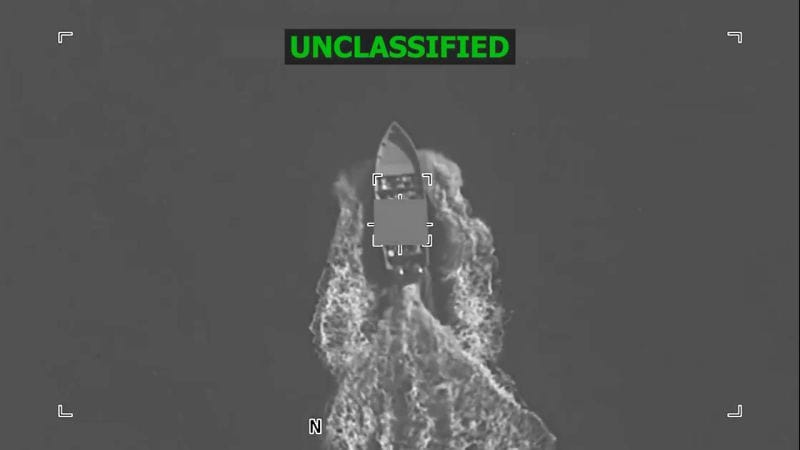
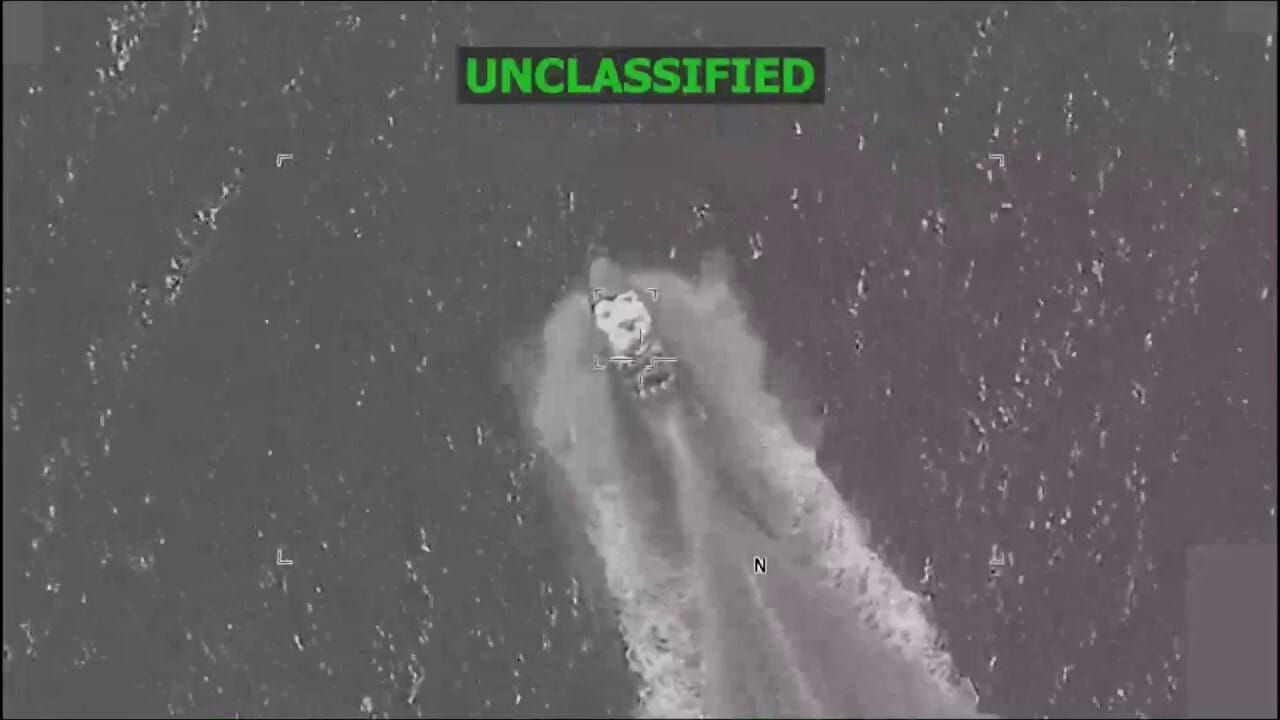
Let’s talk about the official story coming out of Southern Command, because frankly, it smells a little bit like old fish and new propaganda. We’re being told that the US military conducted “lethal kinetic strikes” against three boats in the eastern Pacific Ocean, killing eight people, who are being labeled as “narco-terrorists.” Now, let’s just hold on a minute right there and really think about what that phrase means. “Narco-terrorists.” It’s a beautifully constructed piece of language designed to instantly strip away all nuance and justify the ultimate, violent response. The kind of response where you don’t even bother trying to capture them; you just go straight to lethal force in international waters. This isn’t some back alley drug bust; this is a full-scale military operation in the open ocean, and the fact that they’re calling these eight individuals “narco-terrorists” instead of just “drug traffickers” tells you everything you need to know about where this particular narrative is heading.
The US government, specifically Southern Command, wants us to believe this is simply about protecting our borders and stopping the flow of narcotics, but when exactly did we decide that drug-running had crossed the threshold from high-level crime into full-blown terrorism? We all know the War on Drugs has been a total and complete failure for decades, costing billions of dollars and countless lives, mostly on the other side of the border. But now, they’re changing the vocabulary, and whenever the government starts changing the vocabulary, you can bet your bottom dollar they’re changing the game. This isn’t just about drugs; it’s about justifying a new type of military engagement against non-state actors in areas where traditional law enforcement doesn’t have jurisdiction, and it conveniently sidesteps all those messy questions about international law and sovereignty. The official line from Southern Command claims these were “designated terrorist organizations,” but we’re left with zero details about who these organizations actually are or why they’ve suddenly been upgraded from criminals to terrorists. It’s a classic case of “trust us, we know best,” and for a public already wary of endless wars, this should set off alarm bells, especially when you consider the strategic location where all this went down.
The Battle for the Blue Economy: More Than Just Cocaine
Let’s expand our view a little and look at the bigger picture here, because the Pacific Ocean isn’t just some empty expanse where drug traffickers conveniently operate. It’s a critical geopolitical hotspot, a strategic chokepoint, and an increasingly valuable economic zone. The area where these strikes occurred is a major shipping lane and fishing ground, and more importantly, it’s an area where global powers like China and Russia are constantly trying to increase their influence and presence. So, when the US military decides to deploy lethal force in this precise location, we have to ask: is this really just about stopping a few boats full of cocaine, or is this about sending a much stronger message to other global players?
The narrative of the “narco-terrorist” provides a convenient cover for what might be a completely different agenda: securing strategic pathways and demonstrating US dominance in a contested area. The US military is increasingly concerned about China’s growing presence in Latin America, particularly their investments in infrastructure, resource extraction, and naval ports. The Chinese strategy often involves economic engagement followed by increased military presence, and the US sees this as a threat to its historical sphere of influence. By upgrading the perceived threat from “narco-trafficking” to “narco-terrorism,” the US gains greater flexibility to deploy assets and conduct operations that might otherwise be seen as overly aggressive or even illegal under international law. It’s a clever move: paint the enemy as a terrorist, and you get a blank check for military action.
Think about the implications of this. If a country like Colombia or Ecuador were to try and stop these boats, they’d have to go through a lengthy legal process. But if the US classifies them as terrorists, the rules of engagement change completely. It becomes a counter-terrorism operation, not law enforcement. This essentially creates a new legal justification for preemptive strikes in international waters, bypassing the need for arrests and trials. It’s a very dangerous precedent to set, because it opens the door for other countries to adopt the same tactics, potentially escalating conflicts in a part of the world that desperately needs stability, not more violence.
A History of Failure and Escalation
The War on Drugs, for all its grand proclamations, has fundamentally changed little in terms of substance flow. We’ve had Plan Colombia, the Mérida Initiative in Mexico, and countless interdiction programs, but the supply remains robust. The US military’s involvement has historically focused on interdiction—catching and seizing cargo. The shift to “lethal kinetic strikes” represents a significant escalation. It suggests a move away from traditional law enforcement goals (dismantling organizations, seizing assets) toward a purely destructive military approach.
When we look at the history of US intervention in Latin America, a pattern emerges: the US identifies a threat, labels it in a way that resonates with a domestic audience (communism in the 80s, now terrorism), and then uses military force to resolve the issue, often with questionable long-term results. The “narco-terrorist” label evokes the same fear as “ISIS” or “al-Qaeda,” but the reality on the ground in Central America is far more complex. These organizations are primarily motivated by profit, not ideology. To equate them with ideological terror groups ignores the root causes of the drug trade—poverty, lack of opportunity, and systemic corruption.
And let’s be real: the US military has always had a complicated relationship with the drug trade. During the Cold War, there were documented instances where US-backed contra groups in Central America were involved in trafficking drugs to fund their operations. The military has a history of prioritizing geopolitical goals over actual drug eradication. This latest escalation feels less like a genuine attempt to end the drug trade and more like a calculated move to establish dominance in a strategic region.
The Future of Intervention: Drone Wars in the Pacific
What does this mean for the future? The use of lethal kinetic strikes against “narco-terrorists” in the Pacific could be the beginning of a new chapter in US foreign policy. We’ve seen how drone warfare has revolutionized counter-terrorism operations in the Middle East and Africa. Now, we might be witnessing the expansion of these tactics to Latin America, specifically targeting maritime routes. This allows for low-risk, high-impact operations from afar, without the need for large-scale troop deployment. The Pacific becomes a new kind of battlefield, where lines between law enforcement, counter-terrorism, and geopolitical competition blur completely.
The eight people killed in this incident will likely become a footnote in history, but their deaths serve as a chilling warning. The US military is signaling a new, aggressive stance. The question isn’t whether or not these people were involved in drug trafficking; the question is whether we accept a world where the US can declare anyone a “narco-terrorist” and execute them in international waters without oversight. This isn’t just about drugs; it’s about the erosion of international legal standards and the expansion of military power under the cloak of counter-terrorism. The Pacific is no longer just a body of water; it’s a new frontier where the rules of engagement are being rewritten, and the propaganda machine is working overtime to ensure we don’t look too closely at the fine print. So, while Southern Command congratulates itself on a job well done, we should be asking ourselves who exactly benefits from this new escalation, and whether we’re comfortable with a new, permanent state of kinetic warfare against non-state actors in our backyard.