US Braces for Hazardous Winter Storm Amidst Polar Vortex Influence
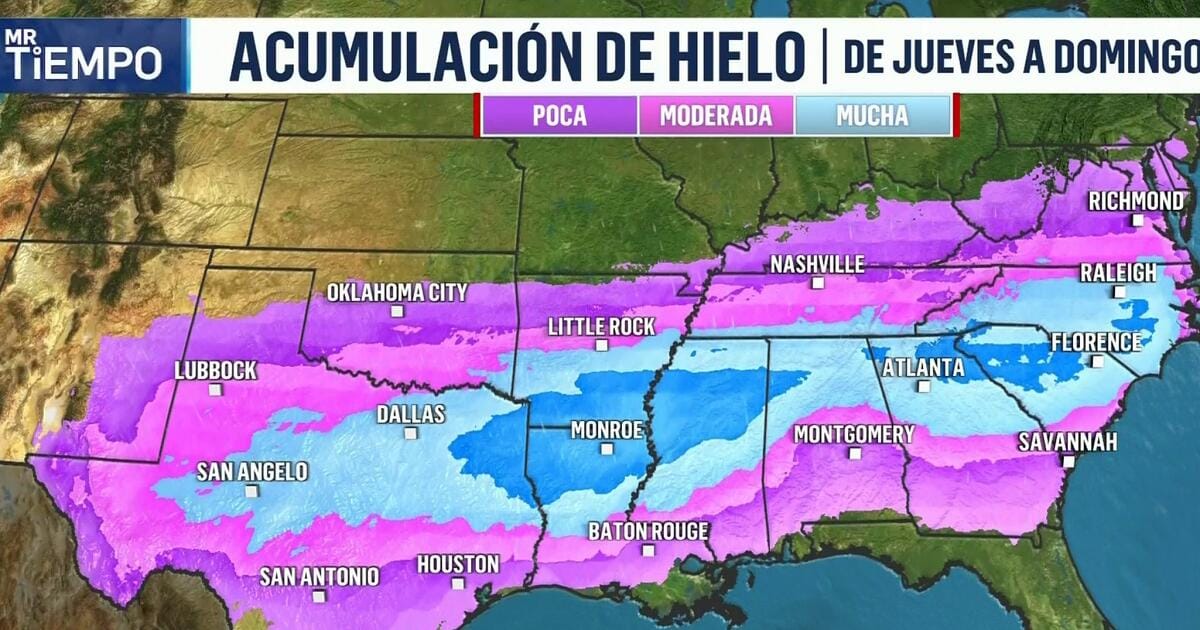
Millions of people across the United States are preparing for a significant winter storm, with forecasts indicating widespread freezing temperatures and a considerable risk of ice accumulation. The National Weather Service has warned of a dangerous cold snap driven by a potent polar vortex.
An estimated 230 million individuals are expected to experience temperatures of -7 degrees Celsius (20 degrees Fahrenheit) or colder. This widespread frigid air mass, combined with atmospheric moisture, is creating the conditions for a hazardous weather event across a large swathe of the country.
Ice Emerges as Primary Concern
Meteorologists have identified ice accumulation as the most pressing concern during the upcoming storm. Forecasts predict significant ice buildup on surfaces, which could lead to widespread power outages, dangerous travel conditions, and damage to infrastructure.
The formation of ice is a complex meteorological phenomenon. It typically occurs when precipitation falls as liquid water but freezes upon contact with sub-freezing surfaces. This can happen even when air temperatures are slightly above freezing at ground level, particularly if surfaces have cooled considerably.
Factors Contributing to the Dangerous Conditions
The current storm is attributed to a combination of factors, including the presence of a polar vortex, ample atmospheric moisture, and a noted lack of sea ice. These elements are converging to create a particularly potent and potentially damaging winter weather system.
A polar vortex is a large area of low pressure and cold air surrounding both of the Earth’s poles. In winter, the vortex reliably sists over the polar region, but it can occasionally expand and send plumes of frigid air much farther south. When this happens, it can bring bitterly cold temperatures to regions that are not accustomed to such extremes.
The presence of sufficient moisture in the atmosphere is crucial for any winter storm. This moisture acts as the building block for precipitation, whether it falls as snow, sleet, or freezing rain. Higher moisture content can lead to heavier accumulations.
The role of sea ice in influencing weather patterns is a subject of ongoing scientific research. However, some studies suggest that reduced sea ice cover in the Arctic can lead to a weaker and more unstable polar vortex, increasing the likelihood of frigid air masses being displaced southward.
Preparations Underway Across Affected Regions
In anticipation of the storm, communities are taking precautionary measures. Road crews have been observed spreading salt and other de-icing agents on highways and major roadways to mitigate the effects of ice formation. This proactive approach aims to maintain some level of trafficability and reduce accidents.
Citizens are also preparing for potential disruptions. Retailers are reporting increased sales of essential supplies, such as batteries, generators, and non-perishable food items. This surge in demand reflects public concern about the possibility of prolonged power outages and disruptions to daily life.
Emergency management agencies are urging residents to stay informed about weather alerts, ensure they have emergency kits, and check on vulnerable neighbors. The focus is on public safety and preparedness to minimize the impact of the storm.
Understanding the Risks of Ice Accumulation
The danger posed by ice accumulation cannot be overstated. Freezing rain, a common form of precipitation during such storms, coats surfaces in a slick layer of ice. This can transform roads, sidewalks, and power lines into treacherous hazards.
Power outages are a frequent consequence of ice storms. The weight of ice can bring down power lines and damage utility poles. In severe cases, widespread outages can last for days, impacting heating, communication, and essential services.
Travel becomes extremely perilous. Even experienced drivers can lose control on icy surfaces, leading to increased risks of accidents and significant delays. Authorities often advise against any non-essential travel during such events.
Beyond immediate dangers, prolonged exposure to extreme cold associated with these storms can lead to hypothermia and frostbite, posing serious health risks to those unprepared.
Broader Implications of Extreme Winter Weather
The increasing frequency and intensity of extreme weather events, including severe winter storms, are consistent with projections related to climate change. Scientists continue to study the complex interplay between global warming and regional weather patterns.
While a single winter storm may not be directly attributable to climate change, the overarching trend suggests that such events could become more common or more severe in the future. This underscores the importance of robust infrastructure, effective emergency response, and public awareness.
The economic impact of major winter storms can be substantial, affecting transportation, agriculture, and energy sectors. Businesses may face disruptions, and recovery efforts can be costly.
As the nation prepares for this latest challenge, the focus remains on safety, preparedness, and mitigating the potential impacts of a significant and dangerous winter storm.