
Universal Studios Hollywood: The Latent Hypocrisy of Corporate Joy
Let’s not mince words here: Universal Studios Hollywood is not a place where magic happens; it’s where IP (intellectual property) goes to die a slow, commercialized death, a place where every last cent of nostalgia is squeezed out of properties until they’re nothing more than hollow shells of their former selves. The latest act in this ongoing tragedy isn’t just about ride queue times or overpriced butterbeer; it’s about a new layer of corporate cynicism that pretends to be genuine cultural inclusion. We’re talking about the ‘Latino Grinch’—a characterization so transparently focus-grouped that it insults the very audience it tries to embrace, proving once again that corporate America views culture as nothing more than a costume for its existing properties. This isn’t a celebration of diversity; it’s a cash grab disguised as inclusivity, and it’s a symptom of a much larger rot in the entertainment industrial complex.
The “Latino Grinch” and the Illusion of Authenticity
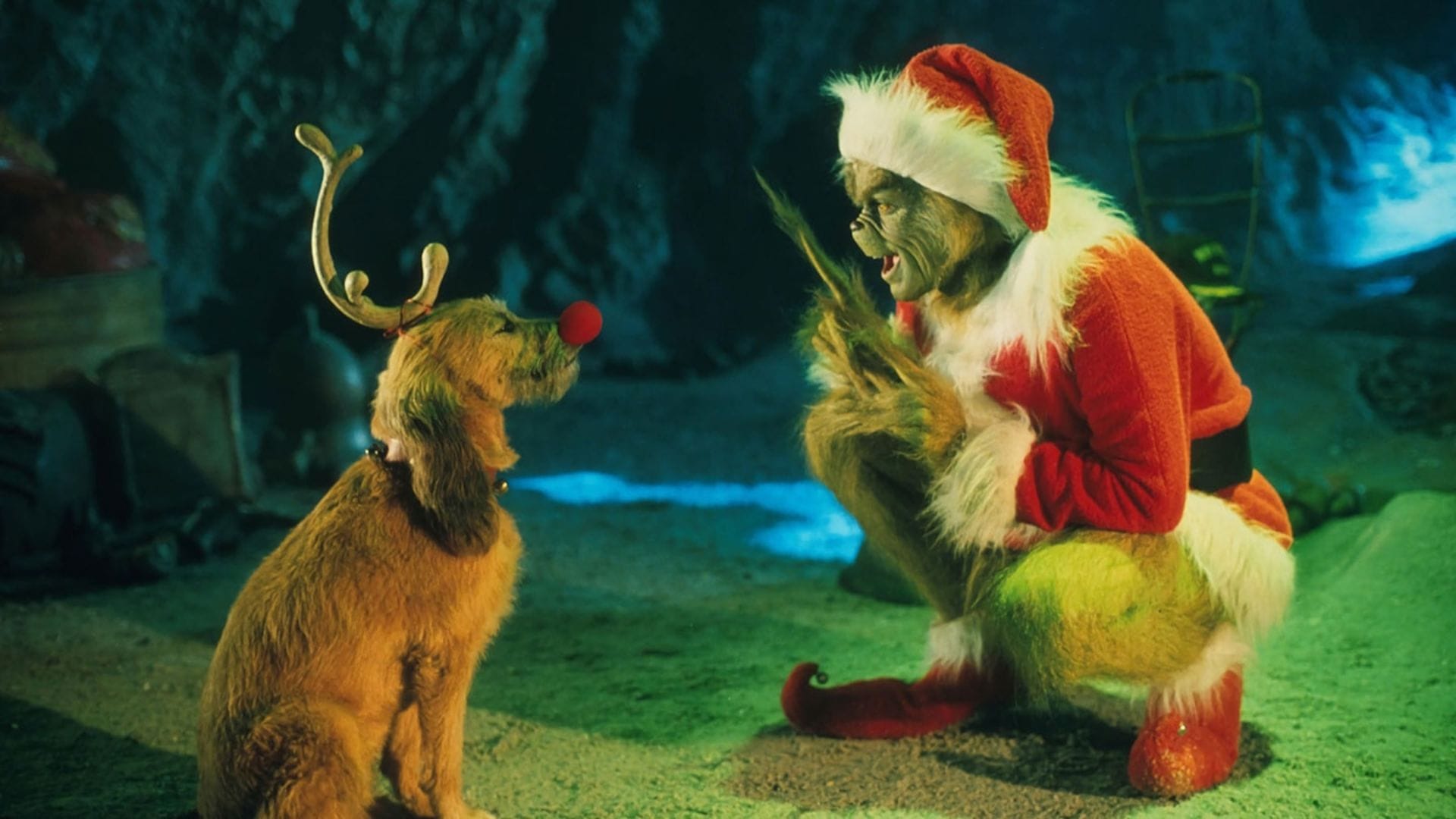
Let’s start with this whole ‘Latino Grinch’ spectacle, because it really crystallizes everything wrong with modern theme park commercialization. The idea itself—that a character created by Dr. Seuss, whose core identity is about rejecting the commercialization of Christmas, suddenly becomes ‘Latino’ through a superficial lens—is a complete contradiction. We’re talking about a character whose entire narrative arc revolves around finding the true meaning of Christmas beyond the presents and the noise, now being re-packaged with a specific cultural signifier for marketing purposes. It’s a symptom of a larger sickness where every cultural signifier, every unique identity marker, is reduced to a marketable costume for a character that, let’s be honest, has nothing to do with the actual lived experience of a vast and diverse population, all in the cynical pursuit of appealing to a specific demographic without actually understanding or respecting it. This isn’t authentic representation. It’s pure laziness. The very idea that throwing in a mention of ‘carne asada’ suddenly makes this Grinch relatable to a Latino audience is so simplistic and condescending, it makes you want to tear your eyes roll right out of your skull.
The problem isn’t just that it’s tacky; the problem is that it’s manipulative. Universal Studios, and by extension, the entire corporate entertainment machine, has figured out that ‘inclusivity’ is the new buzzword for profits. They don’t have to invest in creating new, original stories by actual diverse creators; they just have to slap a label on an existing product and declare themselves virtuous. They call it representation; I call it woke-washing. This Grinch, in his new form, isn’t a character; he’s a marketing demographic, a box checked by executives who believe that cultural identity is something you can buy off a shelf. The real irony here is that the Grinch, in his original state, would have hated this. He would have railed against the corporate machine turning his identity into a spectacle, and yet here we are, watching Universal turn him into exactly what he despises: a product for sale.
From Whoville to Nintendo World: The Expansion of Corporate IP Farming
This Grinch saga isn’t happening in isolation. It’s part of a relentless march toward total IP saturation where theme parks are no longer spaces for imaginative escape but rather giant billboards for corporate partnerships. Take the announcement about Nintendo joining the Universal Hollywood holiday party. This isn’t just about adding a new character; it’s about continuing the trend of transforming theme parks from a general experience into a specific, targeted set of franchises. Super Nintendo World, for all its technical marvel, serves a singular purpose: to extract maximum value from the Nintendo brand. The park becomes less about the joy of discovery and more about completing a transaction—buying merchandise, taking photos with characters, and essentially living inside an advertisement. The Grinch, now joining forces with Nintendo, represents a unified front where disparate IPs, from different creators and different eras, are all brought together under the Universal umbrella not for artistic synergy, but for market share. Every single character, from Mario to the Minions, becomes just another tool in the corporate toolbox, designed to separate you from your money.
The 2026 Mirage: The Future Is Already Sold
And if you really want to understand how cynical this entire operation is, just look at the long-range planning. We’re getting headlines about Universal Studios Hollywood already ringing in 2026, and the implication is clear: the future is not something you get to experience organically; it’s something they package and sell to you years in advance. The title itself—’Universal Studios Hollywood EVE rings in 2026, but wait until you see when the party actually ends’—reeks of a calculated strategy to create hype for something that hasn’t even happened yet. This isn’t about celebrating; it’s about manufacturing demand. It’s about creating a sense of urgency and scarcity around an event that is ultimately just another revenue stream. The whole idea of a “party actually ending” suggests a hidden cost or a deceptive promise, where the experience itself is secondary to the sales metrics. The theme park industry has evolved from a place where you go to have fun into a place where they track every move you make, every purchase you consider, and every character interaction you have, all to optimize future profits. The 2026 event isn’t about ringing in a new year; it’s about calculating a return on investment three years out. It’s about a corporation viewing time itself not as a linear progression of events, but as a series of financial quarters.
The Corporate Grip Tightens: A Timeline of Deception
Let’s trace this back. First, you get the original Grinch, a product of a specific era, with a simple message about resisting consumerism. Then, you get Universal acquiring the rights to this character, turning him into a massive annual spectacle for the holiday season. Next, you see the calculated move of introducing a ‘Latino Grinch’—a desperate attempt to broaden the market appeal by pandering to identity politics. The next step in this timeline is the integration of more powerful brands like Nintendo, creating a seamless, unavoidable web of IP. And finally, you have the pre-planning for 2026, where the entire experience is locked down years in advance, leaving no room for spontaneity or genuine human connection. This chronological progression shows a clear pattern of diminishing returns for the consumer and expanding profits for the corporation. Every single decision, every new character introduction, every holiday event, is part of a grand design to ensure that you, the consumer, are a passive participant in a carefully constructed environment designed to extract maximum value. The ‘Latino Grinch’ isn’t just a fun holiday character; he’s a representation of a corporation’s willingness to flatten culture in the service of profit. This isn’t a theme park anymore; it’s a factory for-profit cultural simulation where every piece of joy is pre-vetted, analyzed, and sold back to you at a premium.

Photo by masbebet on Pixabay.