The Grand Illusion of the United Cup: A Deconstruction of 2026’s Tennis Charade
Let’s cut through the promotional fluff, shall we? The United Cup, specifically the 2026 iteration we’re being spoon-fed tidbits about, isn’t some revolutionary leap for tennis; it’s another meticulously packaged, commercially driven spectacle, dressed up in national colors and sold as innovation. We’re constantly told about its ‘unique’ mixed-team format, the ‘excitement’ of seeing top male and female players share the court, but what we’re actually witnessing is the relentless commodification of a sport already teetering on the edge of calendar fatigue, an event that, when you peel back the layers, exposes more about the anxieties of modern tennis than its triumphs.
The Calendar Conundrum and Player Fatigue: A Foregone Conclusion?
Consider the brutal truth: a professional tennis player’s year is a relentless, global gauntlet. From the Australian Open’s searing heat to the European clay, then the lightning-fast grass and the hard courts of North America, it’s a non-stop physical and mental grind. Enter the United Cup, shoehorned into an already overstuffed schedule, demanding early-season commitment from athletes whose primary focus *should* be the Grand Slams, the Masters 1000 events, the tournaments that truly define legacies. Is it a good idea? Rarely.
When you see names like Iga Swiatek, one of the sport’s undeniable titans, slated for a debut, or Coco Gauff facing a ‘new foe’ – as the clickbait headlines scream – it’s presented as a gift to the fans. What it often means, however, is yet another demand on their bodies and minds before the real business of the year has even begun. This isn’t just about scheduling; it’s about priority. Where does the United Cup truly rank in the pantheon of tennis aspirations? You don’t need to be a rocket scientist to figure out it’s somewhere south of a major title.
Stan Wawrinka’s ‘Retirement Tour’: A Bleak Comedy
And then there’s Stan Wawrinka, a warrior who’s bled on countless courts, now apparently embarking on a 2026 ‘retirement tour’ that, according to the scraps we’ve gathered, might not even make it past January. Think about that for a second. A living legend, reduced to a potential early exit in a mixed-team event, a precursor to the inevitable fade. It’s a stark, almost darkly comedic metaphor for the relentless, unforgiving nature of professional sports, where even the greats are chewed up and spat out, often in events that barely register in the grand scheme of their careers. His participation, if confirmed, highlights the United Cup’s role as a kind of early-season tune-up, a place where players test the waters, shake off the holiday rust, or perhaps, for a seasoned veteran, wave a quiet, almost unnoticed farewell. It’s a bit of a grim spectacle, don’t you think?
The ‘Mixed-Team’ Gimmick: Unity or Dilution?
The entire premise of the United Cup hinges on its mixed-team format. It’s supposed to be novel, a celebration of gender equality in sports. And sure, seeing Swiatek strategize with a male counterpart or Gauff smashing winners alongside a teammate from her own nation has its moments. But let’s be real: how much genuine ‘team’ spirit can truly be forged in an event that, at its heart, is still about individual players, individual rankings, individual prize money? The nationalistic fervor is manufactured, a veneer to distract from the core truth that professional tennis is, and always has been, a brutally individualistic pursuit. This format, while superficially appealing, often feels like a novelty act, designed to draw in a broader audience rather than enhance the purity of competition. It’s an exhibition, plain and simple, dressed in competitive garb. Unity is the marketing slogan; dilution is the outcome.
The Spectacle of Information Scarcity: A Calculated Move?
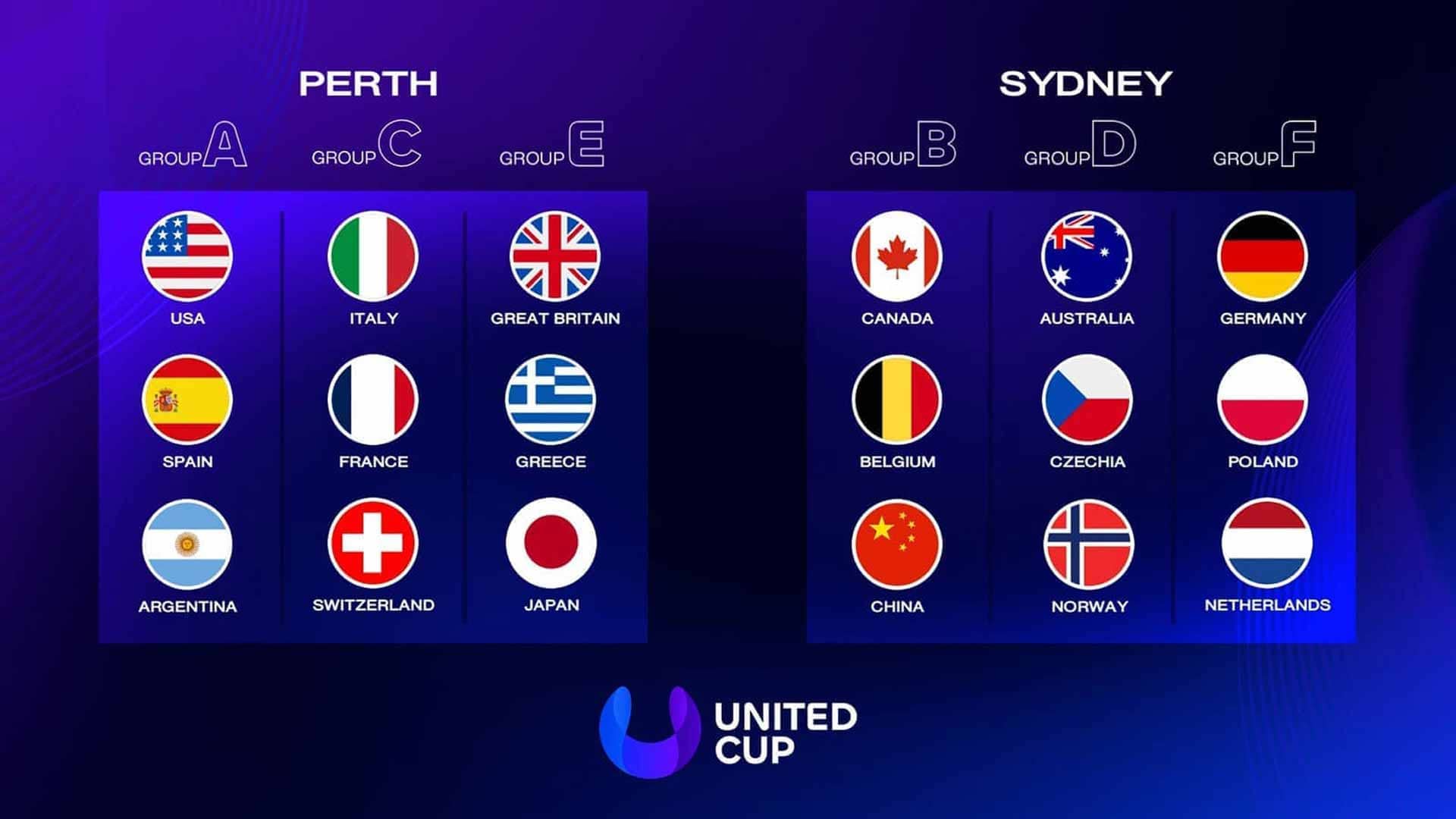
The fact that information about the 2026 United Cup is still so fragmented, with even basic content like the full list of groups and players being a ‘view below’ promise rather than a solid reality, is telling. ‘SCRAPE_FAILED’ isn’t just a technical glitch; it almost feels like a philosophical statement on the transparency of these events. We’re given just enough to pique our interest – ‘Swiatek debuts,’ ‘Wawrinka retirement’ – but never the full, unvarnished picture. This controlled drip-feed of information creates a constant buzz, allowing organizers to build anticipation without necessarily having all the pieces in place. It’s marketing at its most manipulative, keeping fans hooked on promises rather than concrete details. Are we just meant to sit here, salivating at the prospect of a star-studded 2026 line-up, without truly understanding the commitment or the cost to the players involved?
Implications for the Future of Tennis: A Fragmented Vision
What does this mean for the sport as a whole? The proliferation of events like the United Cup contributes to a fragmented landscape, where the traditional narrative of tennis – the journey through the Slams, the established rivalries – gets increasingly blurred. Young fans, accustomed to instant gratification and diverse content, might find the traditional tour too slow, too predictable, leading to more emphasis on flashy, shorter-format events. This isn’t inherently bad, but it risks eroding the historical weight and prestige of the majors. Think about the legacy. Does anyone genuinely believe winning the United Cup will ever hold the same gravitas as a Grand Slam title?
The truth is, tennis is wrestling with its identity. It wants to appeal to new audiences, generate more revenue, and keep its existing fanbase engaged. The United Cup is an attempt to tick all these boxes, a strategic move to broaden its appeal, particularly in an era where attention spans are fleeting. But by doing so, it risks becoming everything to everyone and ultimately, nothing truly essential to anyone. The long-term implications are clear: a diluted calendar, increased player burnout, and a slow, almost imperceptible shift away from the sport’s core competitive values towards pure entertainment value. The integrity of the game, one could argue, is slowly being chipped away, one mixed-team exhibition at a time.
The Illusion of Choice: Where Do We Go From Here?
So, as we eye 2026, anticipating the full list of players and the inevitable narratives about ‘national pride’ and ‘groundbreaking formats,’ let’s maintain a healthy dose of skepticism. The United Cup isn’t a gift; it’s a carefully constructed product. It demands our attention, our viewership, our dollars, all while offering a diluted version of what makes tennis truly great. The logical deconstruction reveals a machine churning out content, prioritizing commercial interests over the welfare of its athletes or the purity of its competition.
We’re being sold a vision of tennis’s future, but it looks an awful lot like its past, only shinier, louder, and a good deal more cynical. The United Cup of 2026, with its promises of Swiatek’s prowess and the wistful farewell of Wawrinka, is just another cog in the perpetual motion machine of professional sports, a machine that cares little for the soul of the game, so long as the cash registers keep ringing. We’re not observers; we’re consumers. That’s the cold, hard reality.