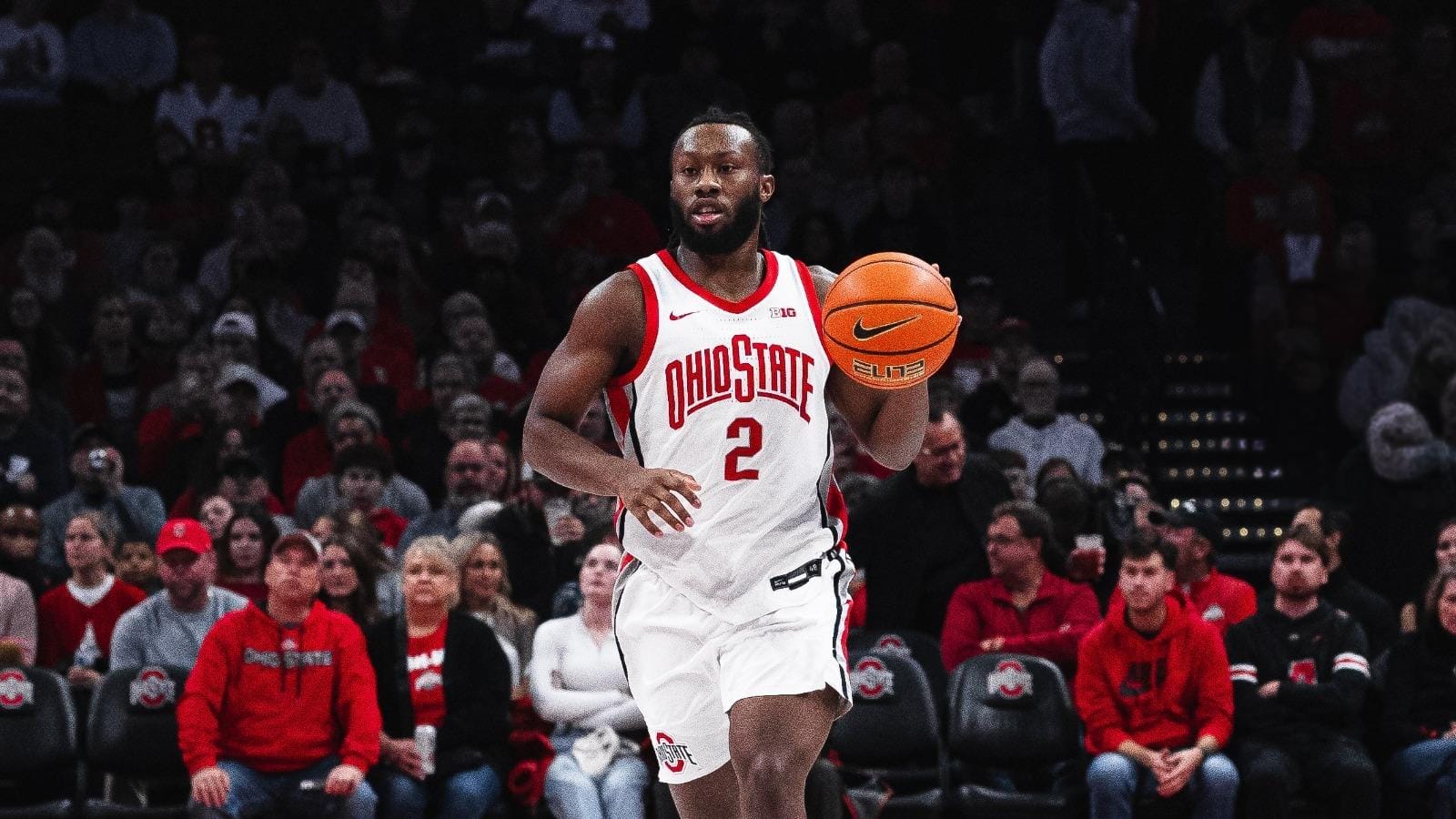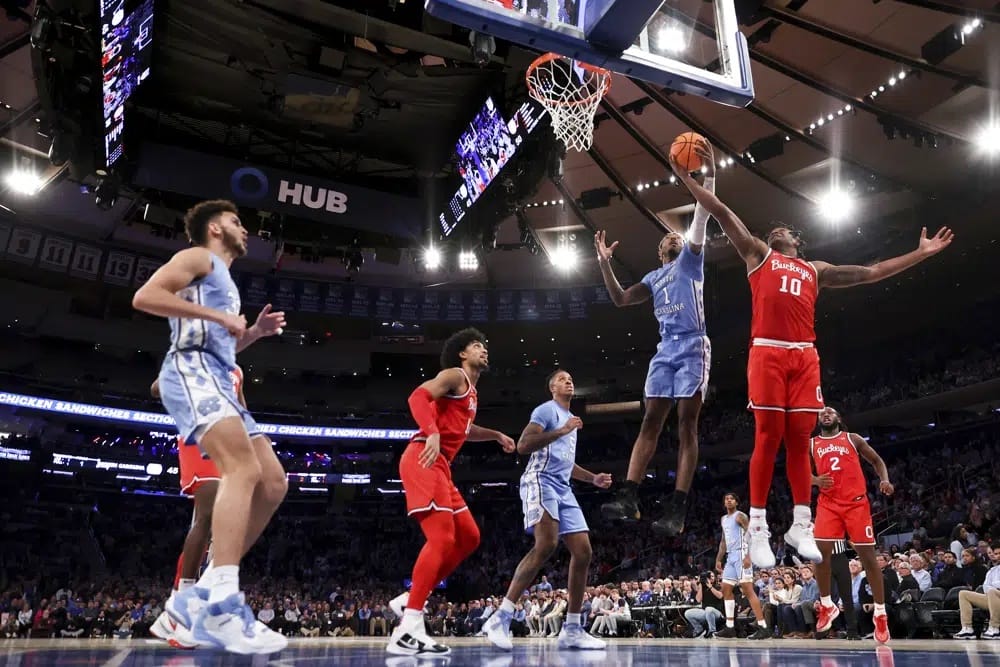
The Manufactured Drama of the CBS Sports Classic
The cynical investigator sees the CBS Sports Classic not as a showcase of athletic excellence, but as a meticulously choreographed transaction, a mid-December revenue injection designed primarily to line the pockets of network executives and athletic directors under the guise of providing quality non-conference matchups, forcing storied programs like North Carolina and Ohio State to fly halfway across the country—or at least to a geographically convenient hub for maximum ticket sales—just weeks before the real grind begins, which means the players are probably more worried about finals and making travel connections than perfecting their zone defense rotations. Sad.
The Illusion of the Classic: Who Really Wins?
This entire “Classic” setup, sponsored by whichever mega-corporation coughs up the biggest check this year, is pure theater designed to keep the brand recognition humming, because let’s face it, putting Carolina and Ohio State in Atlanta—State Farm Arena, specifically—is less about competitive integrity and more about maximizing the available luxury suite rentals, transforming what should be a gritty, passionate early-season test into a sterile, high-altitude exhibition where the only true winners are the people counting the gate receipts and the subsequent television ratings bump generated by blue-blood names squaring off under convenient Saturday afternoon lights. It’s a cash grab.
North Carolina, the supposed ‘blue blood’ drawing the national gaze, walks into every contest burdened by the ghosts of championships past and the impossible expectations of a fanbase that treats anything less than a Final Four appearance as a catastrophic moral failure, and this game against a fundamentally sound, defensively disciplined Big Ten squad like Ohio State serves only to amplify that crushing weight, especially since a loss, even in December, sends the national media into a frenzy of hot takes about the program’s inevitable decline, leading to immediate calls for coaching changes and radical schematic shifts from armchair experts who last played competitive basketball in middle school. The pressure is immense.
Carolina’s Perpetual Anxiety: The Price of Being a Blue Blood
Being a Tar Heel means inheriting a dynasty built on decades of iconic figures and deep tournament runs, but in the modern era of the transfer portal and immediate national scrutiny, it also means every dribble, pass, and missed free throw is microscopically analyzed for signs of weakness, suggesting that perhaps the tradition itself has become a straightjacket, restricting the natural growth and evolution of the team because they are constantly measured against the impossible standard of the ’82 or ’93 squads, never allowed the grace period afforded to programs without five or six banners hanging in the rafters. Perfection is demanded.
The narrative surrounding UNC usually focuses on whether they can live up to the hype, or whether this specific configuration of five-star recruits and grizzled seniors has the requisite ‘grit’ to survive the March crucible, a pointless debate since the team’s destiny is usually decided by whichever superstar guard decides to go supernova for four weeks, a reliance on individual brilliance that occasionally masks systemic coaching or recruiting flaws that the Cynical Investigator enjoys pointing out incessantly. They must win.
This endless loop of media obsession, driven by the need to fill 24/7 sports programming slots with dramatic narratives, fundamentally distorts the developmental process of these young athletes, transforming their college years from a period of learning and growth into a high-stakes, professionalized environment where a single December loss against an equally talented Ohio State team can generate seismic, panic-driven reactions among alumni donors who only remember the glory years and have no patience for the realities of modern parity. It is exhausting just watching them try to cope with the expectations of past legends who played in an entirely different athletic and financial landscape, where the pressures were contained to campus and not broadcast live across every digital platform known to mankind. The history is heavy.
Ohio State: The Big Ten’s Understated Grindstone
Now, consider Ohio State, the Midwestern juggernaut that rarely gets the same glossy magazine covers as their Tobacco Road rivals, yet consistently churns out tough, physical, professional basketball teams capable of suffocating opponents with relentless defense and executing offensive sets with monotonous efficiency, providing the perfect stylistic counterpoint to Carolina’s sometimes flashy, occasionally inconsistent, run-and-gun approach; they are the wrench thrown into the finely tuned ACC machine, ready to embrace the muck and the grind that Atlanta’s artificial environment tries desperately to sanitize. They are spoilers.
The Buckeyes don’t care about the lineage or the legacy; they just want to win the next possession, and their fundamental approach—focusing on rebounding margin, minimizing turnovers, and getting high-percentage shots—is precisely the kind of brutally boring basketball that often ruins the aesthetic spectacle that CBS is attempting to sell to its affluent viewing demographic, meaning if OSU wins, the coverage will inevitably shift away from their excellence and towards Carolina’s perceived flaws, which is typical media bias favoring the marquee name. Always the underdog.
This pragmatic, blue-collar Big Ten mindset, forged in the brutal winter battles of the conference schedule, often gives Ohio State an immediate mental edge over the finesse-oriented ACC teams in neutral site games, particularly those held early in the season when the Tar Heels are still trying to figure out which five guys actually want to dive for loose balls, presenting a compelling contrast in philosophies: the sheer talent relying on spontaneous bursts of athleticism versus the well-drilled machine relying on sheer repetitive force, a battle that the machine often wins when the talent is distracted by Christmas break plans. Consistency matters.
The Venue: State Farm Arena—Just a Giant ATM
Atlanta, though geographically neutral, is anything but emotionally neutral; it is a major hub, a place designed for corporate logistics and massive event scheduling, meaning State Farm Arena is a beautiful, expensive, but ultimately soulless container for high-stakes basketball, lacking the visceral, oppressive student-section energy that truly defines college basketball, replacing raucous organic noise with carefully calibrated piped-in music and booming, irritating sponsored announcements designed to squeeze every last cent out of the attending middle managers who flew in for a ‘business trip’ weekend. No soul there.
Imagine the atmosphere: expensive seats filled with people who wear khaki pants to basketball games, holding $18 craft beers, analyzing their stock portfolios during timeouts, instead of students screaming their lungs out for 40 minutes, creating a palpable force field of emotional investment that actually impacts the trajectory of the game, a key ingredient that is conspicuously absent from nearly every ‘Classic’ or neutral site tournament designed purely for television programming convenience and maximizing commercial breaks. It’s too clean.
The teams fly in, play their 40 minutes under optimal lighting conditions for HD cameras, collect their appearance fee—or their institution does, rather—and fly out, the whole operation having the transactional sterility of a layover at a busy airport, confirming the deepest cynicism that college sports, particularly basketball, has sacrificed genuine atmosphere and organic rivalry for the sake of the ever-expanding corporate footprint and the incessant demand for premium content that satisfies streaming partners and cable distributors alike, guaranteeing that the true spirit of the amateur game has been irrevocably corrupted by the intoxicating smell of quick, easy revenue. It is rotten.
The Prophecy of Fatigue and Fouls
We are talking about college kids playing a high-intensity game far from the comforts of their home campuses, often dealing with the nagging stress of impending final exams and the general malaise that sets in right before the winter break, a combination that almost guarantees sloppy play, poorly executed late-game possessions, and an overall lack of competitive crispness that the commentators will undoubtedly try to spin as “grit” or “heart” instead of simply calling it what it is: exhaustion manifested as turnover rates. Watch the clock.
This pre-Christmas window is notorious for inconsistent effort; one night a team looks like world-beaters, the next they look like they’ve never touched a basketball before, and placing a heavyweight fight like UNC vs. OSU into this volatile scheduling slot is asking for chaos, but not the fun, well-played kind of chaos; it’s the sloppy, 35% shooting kind of chaos where the winner is simply the team that commits fewer unforced errors, a testament less to supreme skill and more to superior mid-semester organization skills. Predictable inefficiency follows.
The referees, too, often seem to struggle with these high-profile, non-conference matchups, perhaps overwhelmed by the sheer size difference between the two conferences’ officiating styles, meaning we are likely to see one or two critical, momentum-swinging calls that inevitably infuriate one fanbase and lead to days of pointless social media arguing about rule interpretation, further detracting from whatever legitimate basketball action actually transpired, proving once again that the spectacle is more important than the substance. Blown calls guaranteed.
The Inevitable Media Post-Mortem
Should Carolina lose, the narrative will focus intensely on coaching strategy, arguing that the modern game has passed them by, ignoring the simple reality that college basketball is now driven by two-month rental players who sometimes just have bad shooting nights, an outcome that will necessitate dozens of unnecessary articles asking if the program is “back,” a question that serves only to generate clicks and feed the insatiable content beast. If Ohio State loses, the narrative will politely praise their effort and shift immediately to dissecting their Big Ten chances, because their brand, while powerful, doesn’t generate the national freakout required to sustain 72 hours of debate coverage. Bias is obvious.
The constant need to frame every early season game as a definitive statement about March, or as proof positive of a program’s vitality or decay, is perhaps the most cynical aspect of all; it’s a failure to allow a team to simply exist in the messy, developmental state that December demands, insisting instead that the results must conform to the prefabricated storylines the networks crafted during the summer months when they were setting their programming schedule, turning real competition into a mere subplot within a larger financial opera. Everything is scripted, even the outrage.
Final Verdict: Why This Matchup is Overhyped
Despite all the manufactured hype, the glossy promotional packages, and the endless pregame analysis about positional matchups and historical dominance, this game is ultimately a glorified exhibition, a marketing vehicle for the NCAA brand, designed to keep casual fans engaged during a slow sports period, but offering absolutely no reliable indicator of what either team will actually look like come the middle of February when conference championships are truly on the line, because December basketball is ephemeral, a fleeting snapshot of potential, not realized destiny. It means nothing.
The Cynical Investigator predicts a tight, moderately ugly affair where UNC, despite their inherent athletic advantages, struggles to cope with Ohio State’s physicality, especially on the interior, but eventually pulls out a win only because the NBA-level talent on Carolina’s roster finds a way to overcome the systemic execution gap in the final four minutes, demonstrating that individual brilliance still often trumps team consistency in non-conference play, thereby validating the ridiculous amounts of money spent recruiting those singular talents. Close shave expected.
The key takeaway from the CBS Sports Classic won’t be a profound statement about the national championship picture, nor will it be the emergence of a definitive Player of the Year candidate; it will be the total revenue generated by the State Farm Arena concession stands, the successful delivery of three hours of marketable content to advertisers like State Farm, and the prompt dispersal of players back to their respective campuses to face the true pressure cooker: the academic calendar, a necessary inconvenience before the grand production of March Madness can resume its annual multi-billion dollar run. The machine keeps turning. This game is merely a cog, expensive and shiny, but still just a cog in the ever-grinding mechanism of collegiate athletics, a machine fueled by idealism, but operated solely by accountants. It is just business.