They’re Playing Us All For Fools
Listen close, because they don’t want you to hear this. What you’re seeing on the news about “negotiations” and “peace talks” for Ukraine? It’s a complete fabrication. A dog and pony show designed to keep you placated while the real deals are cut in back rooms you’ll never see. I’ve been hearing things, whispers from contacts in places that matter, and the picture they’re painting is grim. And the most chilling part is that Kyiv isn’t even holding the paintbrush. Not anymore.
1. The ‘Zero-Level’ Talks Are a Smokescreen
And so they tell you that talks are at a “zero level” or a “near-zero level.” It’s a clever turn of phrase. Because it’s technically true, the official, camera-friendly talks are going nowhere fast. They are designed to fail. But this public failure serves a crucial purpose: it creates a smokescreen. It allows both sides to project an image of strength and unwavering resolve for their domestic audiences, all while the *real* negotiators—the ones who don’t answer to voters but to financial and geopolitical interests—are hashing things out through clandestine channels. Think quiet meetings in Geneva, unofficial phone calls between D.C. and intermediaries, memos passed through third-party embassies. Because while Zelenskyy is giving speeches, his country’s fate is being discussed as a line item in a much larger ledger. The official stalemate is the distraction. The real action is elsewhere.
2. Kyiv Isn’t Driving the Bus Anymore
Let’s be brutally honest. A nation entirely dependent on foreign cash and foreign weapons to survive from one week to the next does not have a “decisive voice.” It has a script. And Ukraine has been reading its lines beautifully, but the directors are in Washington, London, and Berlin. Every time a Western official says, “It’s up to Ukraine to decide,” it’s a polite fiction. Of course it isn’t. When your entire national budget is being underwritten by another country, you don’t get to dictate terms. You get to express preferences. You get to make requests. But you do not get to say no when your patrons decide the cost has become too high. This is the tragic reality that is dawning on Kyiv. The weapons are now coming in drips, not floods. The financial packages are getting harder to pass. It’s the slow, agonizing squeeze that precedes a forced settlement. They’re being conditioned to accept the unacceptable.
3. The Real Fear in Warsaw
But while Kyiv faces this existential dread, you want to see real panic? Look at Warsaw. The Poles aren’t stupid; they have a long and bloody history of being sacrificed on the altar of “European peace.” They know what it looks like when great powers start carving up the neighborhood. They’ve poured immense resources into supporting Ukraine, taking in millions of refugees, and becoming the central logistics hub for NATO’s efforts, believing they were shoring up their own front line against Russian expansionism. Now they hear the same whispers I do. Whispers of a deal that might legitimize some of Russia’s gains in exchange for a flimsy, frozen conflict. And for Poland, that is a nightmare scenario. It would mean a permanently aggressive and victorious Russia on its border, and the horrifying realization that NATO’s Article 5 might just be a paper shield if a powerful member decides Poland isn’t worth a world war. They’re watching this and getting a sinking feeling in their stomachs, because it all feels terrifyingly familiar.
4. Putin’s Grinding, Ugly Bet
And why is this all happening? Because Putin is making a cold, calculated bet that he can outlast everyone. His posturing isn’t just for show. He has genuinely transitioned Russia’s entire economy onto a war footing. It’s ugly, it’s inefficient, and it’s mortgaging the country’s future, but in the short-to-medium term, it produces one thing with brutal consistency: war material. Tanks, shells, missiles. He’s not trying to win a brilliant victory on the battlefield anymore. He’s trying to win a war of attrition, not just against Ukraine’s army, but against the West’s attention span. He is betting that Western populations, squeezed by inflation and tired of the endless cost, will eventually demand their leaders cut Ukraine loose. He believes our democracies are our weakness. He thinks we don’t have the stomach for a long, grinding fight. He just has to wait. And every failed negotiation, every political squabble over a funding bill in a Western capital, proves his point.
5. The Trump Wild Card
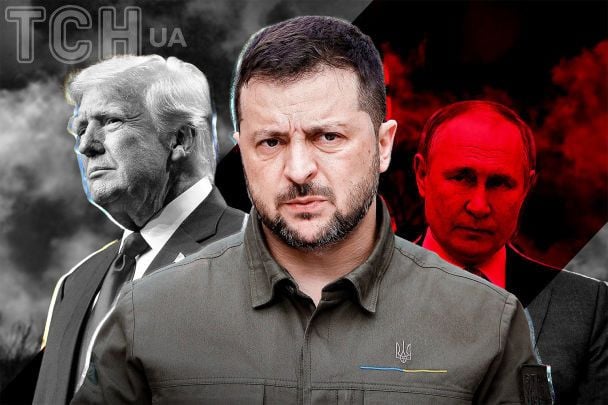
And then there’s the orange elephant in the room. Donald Trump. European leaders are utterly terrified, and they should be. Trump talks about the war like a real estate deal. He talks about his “playing cards” and ending it in “24 hours.” What does that actually mean? It means a deal cut directly with Putin, completely over the heads of the Ukrainians and the Europeans. It could mean recognizing Russian control of Crimea and the Donbas in exchange for a ceasefire. It could mean pulling all U.S. support overnight, causing the entire Ukrainian front to collapse within weeks. He represents the ultimate variable, a chaotic force that could either enforce a brutal peace that rewards aggression or simply walk away and let the whole house of cards fall. The uncertainty is the point. And his potential return to power is the single biggest driver forcing these secret back-channel talks to accelerate. They want a deal in place before he has a chance to blow up the table.
6. This Is an Economic World War
Forget the romantic notions of warfare. This is a war of production lines. It’s about which side can produce more 155mm artillery shells. Which side’s economy can withstand the strain of massive military spending without imploding. Russia is all-in. They are running their factories 24/7. Meanwhile, the West is trying to fight a war while maintaining a peacetime consumer economy. It’s not working. The stockpiles are dwindling, and the production capacity to replenish them just isn’t there yet. It takes years to build those lines back up. Putin knows this. This is the core of his strategy. He doesn’t have to beat NATO’s armies on the field. He just has to exhaust its arsenals. And he’s succeeding.
7. Who Loses Patience First?
So who blinks? Who loses their nerve? It won’t be Putin. His political survival depends on not losing. It won’t be the hardcore Ukrainian soldiers on the front line. But it might be the German factory worker worried about his heating bill. It might be the American parent tired of inflation. It might be the French politician who sees a path to power by promising an end to the foreign entanglement. The pressure points are all in the West. And as patience wears thin, the calls for “peace at any price” will grow louder. That is the moment the back-room deal becomes a public reality. And it will be sold to us as a victory for diplomacy. A necessary compromise. But don’t be fooled. It will be a surrender disguised as a settlement, and Ukraine will pay the price for our fatigue.
They think you’re not paying attention. They are counting on it. They want you to see the headlines about failed talks and think nothing is happening. But something is happening. A nation’s sovereignty is being negotiated away in the shadows. And we are letting it happen. The war isn’t being decided in the trenches of Bakhmut. It’s being decided in quiet, comfortable rooms thousands of miles away.