The Anatomy of Mediocrity: Why the Fenway Bowl Is a Strategic Loss for Both Teams
Let’s cut through the noise, shall we? When the media starts cranking up the emotional background music for a mid-tier bowl game, you know you’re being manipulated. The Fenway Bowl, or as it’s laughably branded, the ‘Wasabi Fenway Bowl,’ isn’t a celebration of success; it’s a symptom of a much deeper strategic failure for both UConn and Army, a desperate attempt by two programs stuck in neutral to generate some kind of relevance in a landscape that’s long since passed them by.
This whole spectacle in Boston isn’t a reward for athletic achievement; it’s a business transaction. It’s about filling a time slot, selling tickets in a major metropolitan area with low-cost inventory (i.e., teams that don’t command massive TV contracts), and giving corporate sponsors (like Wasabi) a chance to slap their name on something that looks like tradition but smells exactly like desperation. Don’t let the nostalgia of Fenway Park fool you; this is a strategic miscalculation being spun as a success story.
The Ty Chan Narrative: A Textbook Case of Emotional Manipulation
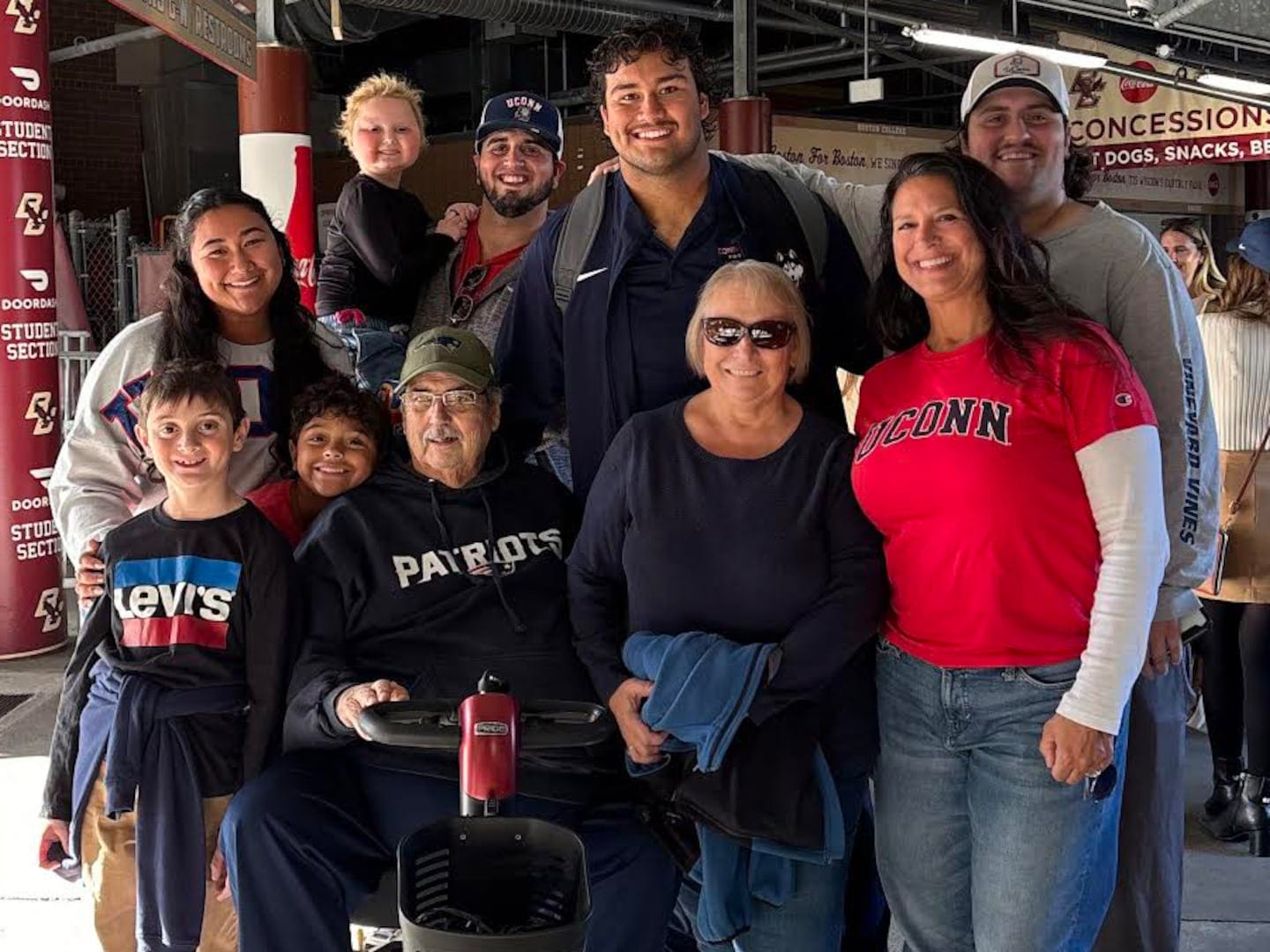
Every year, there’s a new feel-good story designed to distract us from the cold, hard reality of college football’s economics. This year, it’s Ty Chan transferring to UConn. The narrative, as presented by the media, is pure gold: a former Notre Dame offensive lineman returns home to Lowell to be closer to his niece, Olivia Kazanjian, who is battling acute lymphoblastic leukemia. It’s a tale of family, sacrifice, and heartwarming dedication. You almost feel bad for questioning it.
But let’s think like strategists, not sentimentalists. In the world of college football, especially with the high-stakes pressure of NIL and recruiting, transfers aren’t just about love and family. They’re calculated moves for opportunity and exposure. A player who wasn’t getting enough playing time at Notre Dame needs a fresh start. A program like UConn, starved for positive press and national attention, needs a compelling narrative. The synergy here is perfect: UConn gets a ready-made story that provides emotional cover for their mediocrity, and Ty Chan gets a guaranteed spotlight to enhance his personal brand in a less competitive environment. It’s a win-win for everyone involved in the PR machine, regardless of the emotional truth behind it. The media, of course, eats this stuff up without question, because it generates clicks and protects them from having to do any actual hard analysis of analyzing the strategic failures of these programs. It’s a convenient, heartwarming distraction from the fact that neither program has met its strategic objectives for the season.
UConn’s Strategic Stagnation: The High Cost of Independent Aspirations
Let’s analyze UConn’s position. This program desperately wants to be relevant. They want to be a part of a Power Four conference, to share in the enormous television revenue that comes with it, but they’re stuck in limbo. Winning the Fenway Bowl, especially against Army, doesn’t get you any closer to joining the ACC or the Big 12. In fact, it reinforces the exact opposite: it solidifies their status as a mid-major program content with low-tier bowl games. The Fenway Bowl isn’t a stepping stone; it’s a ceiling.
UConn’s decision to maintain independent status for football, while their basketball program thrives in the Big East, is a strategic disaster. It exposes their football program to high costs for travel and scheduling, without giving them the security or revenue of a conference affiliation. This bowl appearance is simply a momentary blip, a chance to get some local buzz before returning to the cold reality of trying to find games against a scheduling landscape where everyone else has found a home in a consolidated league. They’re trying to punch above their weight, and this game is proof that they keep getting knocked down to reality.
Army’s Nostalgic Anachronism: A Program Stuck in Reverse
Now consider Army. Their entire strategic identity revolves around the triple-option offense. It’s a nostalgic, anachronistic system that allows them to occasionally pull off upsets against more talented teams by limiting possessions and leveraging specific personnel (who, by the way, are required to fulfill military obligations after college, creating a further recruiting challenge). The triple-option is a beautiful piece of football history, absolutely. But in the modern era of spread offenses, high-speed passing attacks, and NIL-driven recruiting, it’s a strategic liability. It’s a program that refuses to adapt, instead choosing to rely on a system that prevents them from attracting top talent and truly competing on a national scale. This Fenway Bowl appearance is exactly where Army should be; a respectable, yet utterly non-threatening, end-of-season reward for a niche program that has no aspirations beyond its rivalry game against Navy and a few wins against similar low-tier opponents. The true cold strategist sees Army not as a team with a unique identity, but as a program trapped by its own stubborn traditions.
This game, in essence, is a clash of two programs who, despite their different paths, share a common destiny: strategic irrelevance in the high-stakes world of modern college football. UConn wants to be a big player but lacks the resources and vision; Army wants to be a big player but lacks the strategic flexibility. The Fenway Bowl provides a temporary high, a brief moment in the spotlight where they can pretend to matter before returning to the long, hard climb back to obscurity. Don’t fall for the emotional manipulation of the Ty Chan story. Look at the balance sheet. This game is a cold calculation of value and opportunity, and both teams are coming up short.