The Stakes Beyond Refunds: U.S. Supreme Court to Rule on Tariffs
The high-stakes legal battle over tariffs imposed by former President Donald Trump is set for a landmark decision by the U.S. Supreme Court, in a ruling that goes far beyond the immediate financial concerns of a single administration’s policies. While companies are focused on the potential for billions of dollars in refunds, the core issue before the court is a significant test of presidential authority and the future of U.S. trade policy.
The Financial Fallout and Corporate Anxiety
For many businesses, the immediate concern surrounding the Supreme Court’s impending ruling revolves around potential financial restitution. The tariffs in question—imposed largely under Section 301 of the Trade Act of 1974—have been paid by importers for years, significantly increasing costs for everything from consumer goods to industrial components. A decision striking down the tariffs would trigger a flood of refund requests, potentially amounting to billions of dollars, creating both a windfall for some companies and significant logistical challenges for customs and finance departments.
The possibility of refunds has kept companies “on edge,” as they weigh immediate cash flow impacts against the broader uncertainty of international trade. While the financial implications are massive, experts suggest that focusing solely on refunds misses the larger economic picture. The ruling will either validate or invalidate a major tool used by recent administrations to manage foreign policy and economic competition, setting a precedent that will shape future presidential actions for decades.
A Landmark Test of Presidential Powers
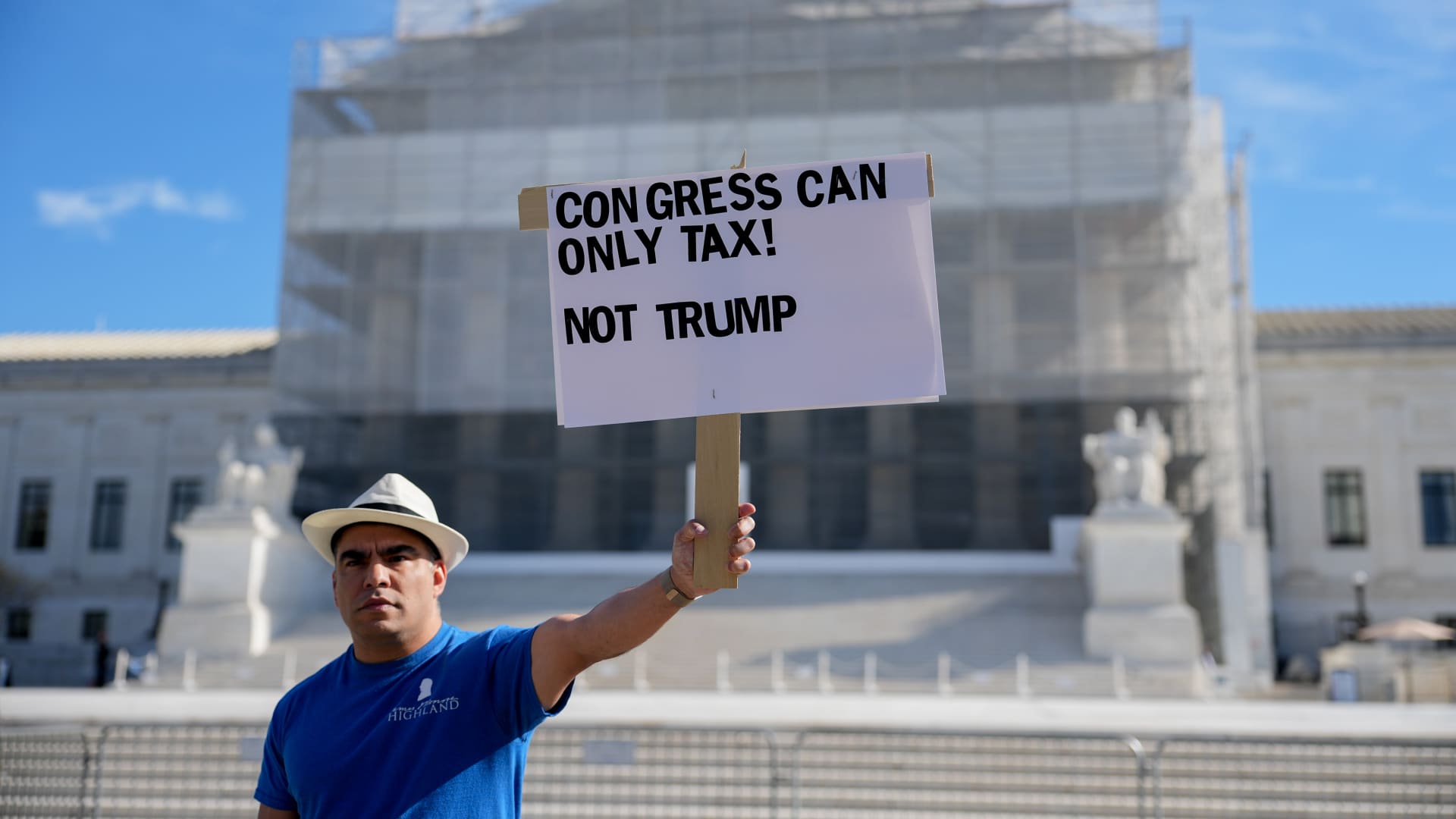
The legal challenge before the Supreme Court is fundamentally about the limits of presidential power in the realm of international trade. The key question is whether President Trump overstepped his authority when imposing these sweeping tariffs. Critics argue that the executive branch used broad interpretations of existing trade laws to implement policies that more properly belong under the purview of Congress. The court must now define the boundaries of executive discretion in trade policy, specifically whether national security exemptions were invoked properly to justify a policy designed primarily to address economic imbalances.
If the Supreme Court sides against the tariffs, it would represent a significant check on the executive branch’s ability to act unilaterally in trade matters. This would fundamentally “upend one of his key policies,” as noted in analyses of the potential impact. The ability to quickly impose tariffs has been a cornerstone of Trump’s trade strategy, used as leverage against global trade partners like China and Europe. A judicial rebuke would force future presidents to reconsider the legal foundation of similar actions, potentially requiring more direct engagement with Congress before imposing new trade restrictions.
Market Reaction and Global Trade Disruption
The economic ramifications of the decision extend beyond a simple check on presidential power; the ruling will directly influence the volume of U.S. freight trade. Companies have spent years adjusting supply chains to account for the additional costs imposed by the tariffs. A sudden removal of these tariffs would force another rapid readjustment, creating immediate disruption as businesses scramble to renegotiate contracts, re-evaluate sourcing locations, and manage logistics. The resulting uncertainty in the market would likely cause short-term volatility in stock markets and commodity prices.
The tariffs in question have reshaped global supply chains, pushing some manufacturing out of certain regions and into others. A reversal of the policy could reverse these trends, impacting investment decisions made over the past several years. The looming decision creates a state of paralysis for many businesses, as they hesitate to commit to new long-term strategies without knowing the fundamental cost structure of U.S. imports. The trade landscape remains disrupted, and the Supreme Court ruling, regardless of direction, will either finalize the existing disruption or introduce a new layer of uncertainty as businesses adjust to a new normal.
The Political Context and Future Implications
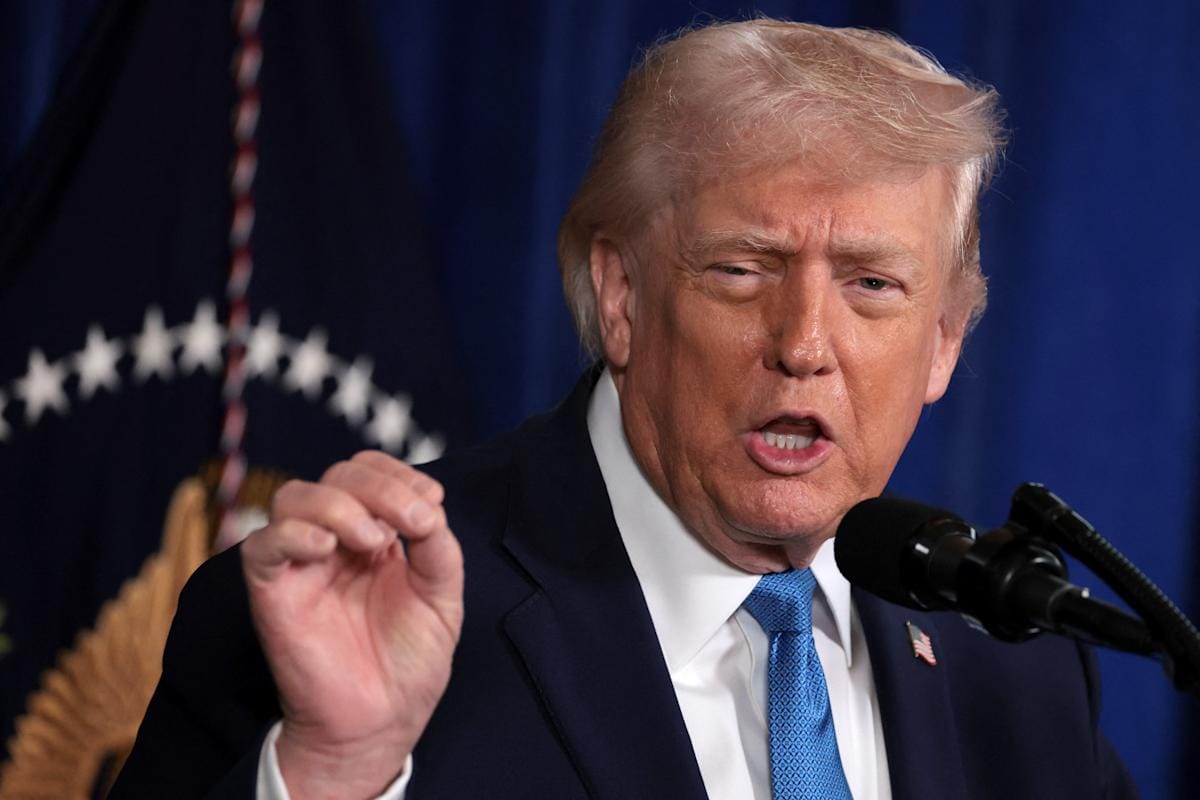
For former President Trump, the legal challenge holds significant political weight. The tariffs were a central element of his “America First” agenda, designed to protect domestic industries and encourage manufacturing back to the U.S. A Supreme Court ruling against them would undermine a key pillar of his economic legacy, raising questions about the future implementation of similar policies should he return to office. The quote, “we’re screwed if the Supreme Court rules against his tariffs,” attributed to Trump, underscores the high political stakes and the perceived vulnerability of his trade strategy to judicial review.
The implications of the Supreme Court ruling are far-reaching. It will determine not only the immediate fate of existing tariffs but also the scope of future U.S. trade policy. The decision will define the delicate balance between presidential prerogatives in foreign policy and Congress’s constitutional role in regulating international commerce. Businesses, politicians, and trade partners worldwide await the decision, understanding that its influence will last long after the initial headlines fade.