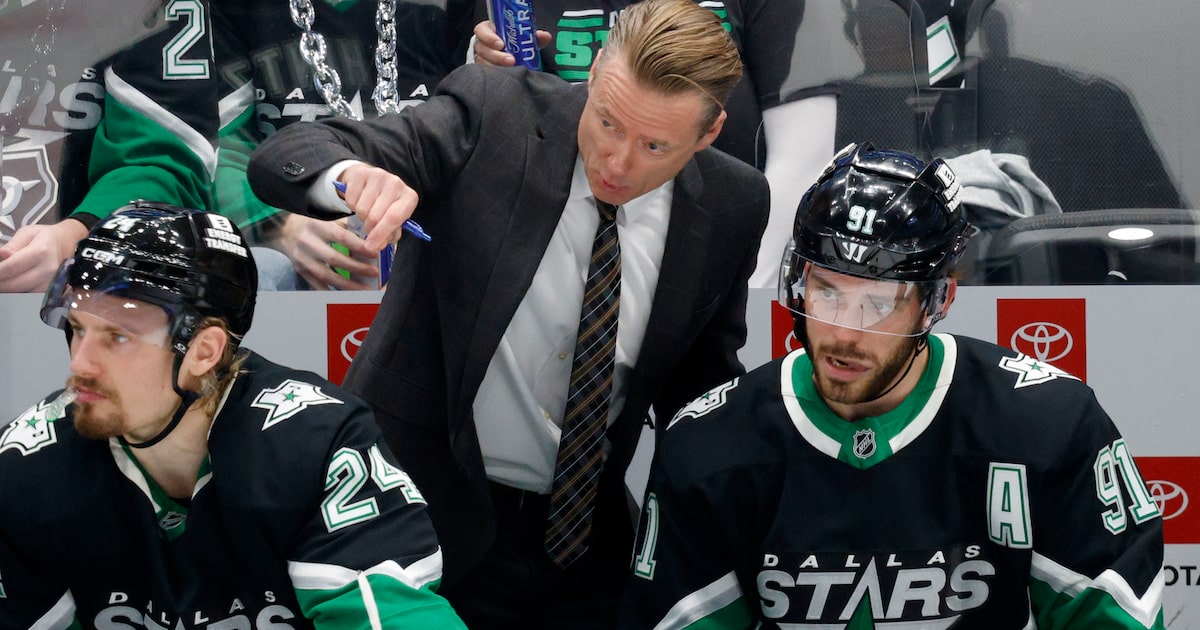
The Story They’re Selling You
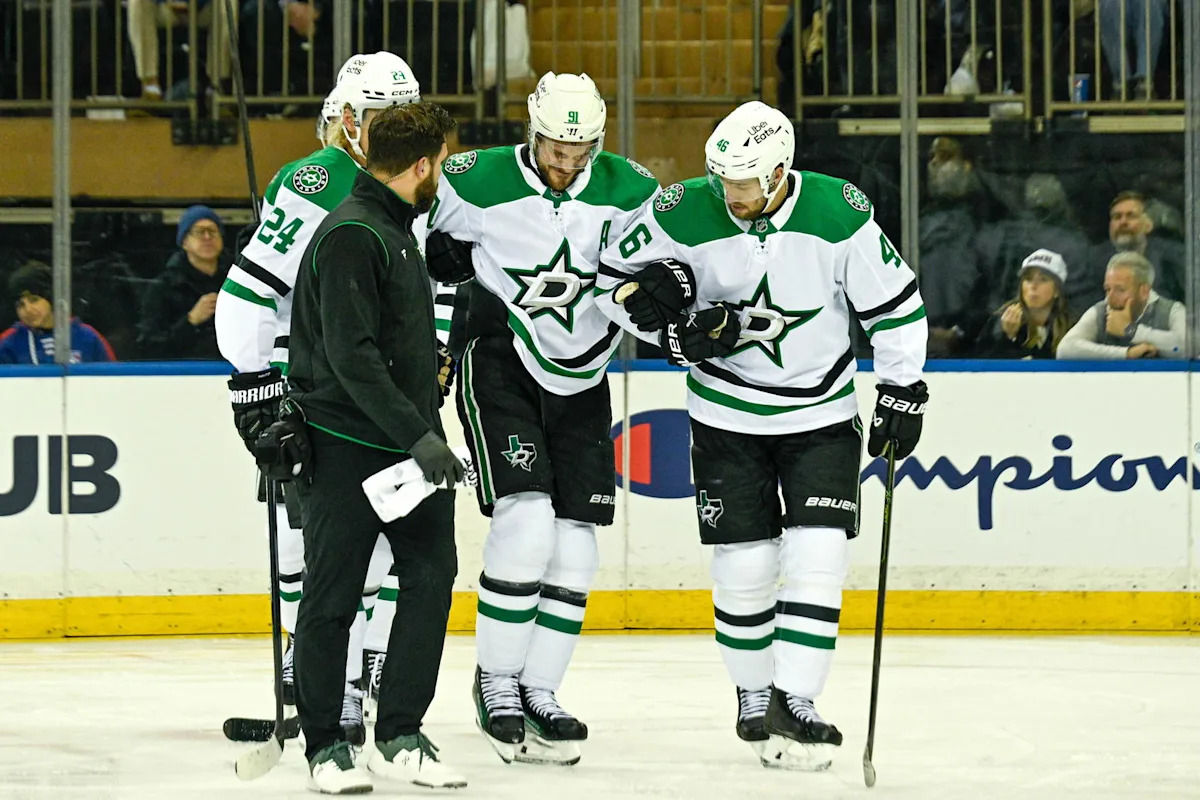
Listen to the press releases. Read the carefully worded statements from the coach. They’ll all tell you the same heartbreaking, yet simple, story. Tyler Seguin, the Dallas Stars’ perennial superstar, the man with the million-dollar smile and a cannon for a shot, is the victim of unimaginable bad luck. The “Injury Bug,” that mythical, invisible monster that haunts locker rooms, has supposedly struck again. This time, it claimed a knee. A torn ACL, suffered in a routine play during a hard-fought game against the New York Rangers. It was a freak accident. A tragedy. An unavoidable consequence of a violent, beautiful game. They’ll tell you the team is devastated, that their thoughts are with Tyler, and that they’ll support him through his long, arduous recovery. It’s a clean, palatable narrative designed for public consumption. A tale of woe that asks for your sympathy, not your scrutiny.
It’s a complete and utter fabrication.
The Truth They’re Hiding
Let’s pull back the curtain on this meticulously crafted piece of theater. This wasn’t bad luck. This wasn’t a freak accident. This was an inevitability. This was the catastrophic, predictable conclusion to a long story of organizational negligence, calculated risks, and the cold, hard mathematics of the NHL’s salary cap. This wasn’t a tragedy for the Dallas Stars organization. (Not really, if you look at the books). This was an opportunity. A get-out-of-jail-free card wrapped in a player’s shredded ligament.
A Body Betrayed by More Than Just ‘Bad Luck’
To understand what really happened on that ice in New York, you can’t just look at the one play. You have to look at the man’s entire medical chart, a document the Stars front office knows intimately. Tyler Seguin hasn’t been a fully healthy hockey player for years. This isn’t a state secret. We’re talking about a litany of major, career-altering procedures. Remember the 2021 hip arthroscopy and labral repair? That’s not a tune-up; that’s a fundamental reconstruction of a critical joint for a professional athlete. He was never the same skater after that. He lost that explosive first step that made him so dangerous. Everyone saw it. The team saw it. Yet they kept running him out there for 20 minutes a night against the biggest, fastest players in the world.
He’s had nagging knee issues, groin pulls, and a host of other ailments that come from a body breaking down under the strain of a brutal sport and, more importantly, from overcompensation for a core injury that was never truly 100% healed. An ACL tear isn’t always from a single, violent hit. It’s often the final straw for a joint that has been destabilized by years of surrounding muscle weakness, scar tissue, and biomechanical imbalances. (All things a competent, player-first medical staff should be managing obsessively). The Stars’ medical and training staff either ignored the warning signs or, worse, were pressured by management to keep their high-priced asset on the ice, patched up with tape and hope. They kicked the can down the road, and the can was a multi-million-dollar superstar’s career. The road just ended.
The Convenient Mathematics of Disaster
Now for the part they will never, ever admit in a press conference. Let’s talk about money. Specifically, let’s talk about the NHL’s hard salary cap, a system that forces teams to make ruthless decisions. Tyler Seguin carries a massive $9.85 million cap hit until 2027. That is an anchor for a player who, let’s be brutally honest, was no longer producing at a $9.85 million level. The Stars were in a bind. They have young, emerging stars like Jason Robertson and Miro Heiskanen who need big-money extensions. They were pressed right up against the cap ceiling, with very little flexibility to improve the roster for a legitimate Stanley Cup run.
And then, like a miracle from the god of accounting, Seguin suffers a season-ending injury. Poof. Just like that, the team can place him on Long-Term Injured Reserve (LTIR). And what does that do? It gives them cap relief. Suddenly, that $9.85 million anchor is gone (for the rest of the season and playoffs, at least). General Manager Jim Nill now has a massive chunk of change to go out and acquire a top player at the trade deadline. He can plug holes. He can load up. This “tragedy” just transformed the Dallas Stars from a cap-strapped contender into a major buyer with a golden ticket. It’s a disgusting, cynical reality of the modern NHL, where a player’s personal catastrophe becomes the front office’s strategic godsend.
They won’t say they’re happy he’s hurt. (Of course not, that would be monstrous). But are they shedding a single tear in the boardroom over the newfound financial freedom his injury provides? Don’t be naive. They are already on the phones, leveraging this “unfortunate situation” to their absolute advantage. The player is just a number on a spreadsheet. An asset. And this particular asset just became more valuable to them on the injured list than it was on the ice.
A System That Devours Its Own
This is bigger than just one player or one team. This is about the entire culture of professional hockey. It’s a league that glorifies playing through pain, a league where warriors are praised for gutting it out, even when their bodies are screaming for a rest. That mentality serves the owners, not the players. It squeezes every last drop of performance out of a player’s short career window, and when they inevitably break, the system discards them and moves on to the next hotshot rookie.
The league schedule is a meat grinder. 82 games, cross-country flights, back-to-backs. It’s designed for maximum revenue, not optimal human performance or recovery. The medical care, while sophisticated, often prioritizes short-term availability over long-term health. The pressure to win, the pressure to justify a contract, the pressure from fans and media—it all creates a toxic environment where a player like Seguin feels compelled to push his body past its breaking point. Until it breaks for good.
So when you see the sad headlines and hear the somber interviews, remember what you’re not being told. Don’t see Tyler Seguin as a victim of the Injury Bug. See him as a victim of a system. A system that ran him into the ground, ignored the flashing red lights on his physical dashboard, and is now quietly capitalizing on his absence. This wasn’t an accident. It was a transaction. And the Dallas Stars just cashed in.