The Countdown to Catastrophe: Wiles’s Warning Shot Ignites Panic
The date itself is foreboding. November 4, 2025. An off-year Election Day where the political ground is already shaky, and everyone is waiting for the next tremor. It’s exactly the kind of high-stakes, high-pressure environment where things either hold together by a thread or unravel completely, and according to new revelations, the latter scenario seems far more likely than anyone in the administration cares to admit publicly. The White House, it turns out, isn’t just running on fumes; it’s being steered by people who are already ringing the alarm bells about the man at the top.
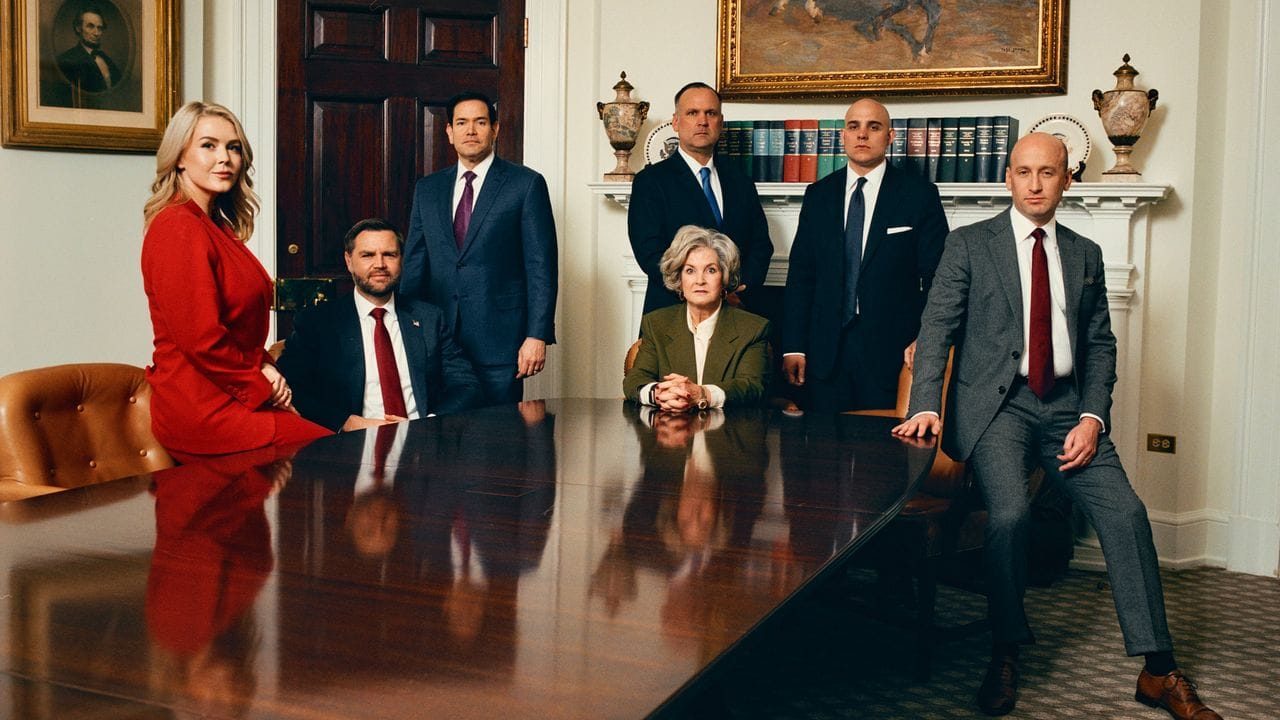
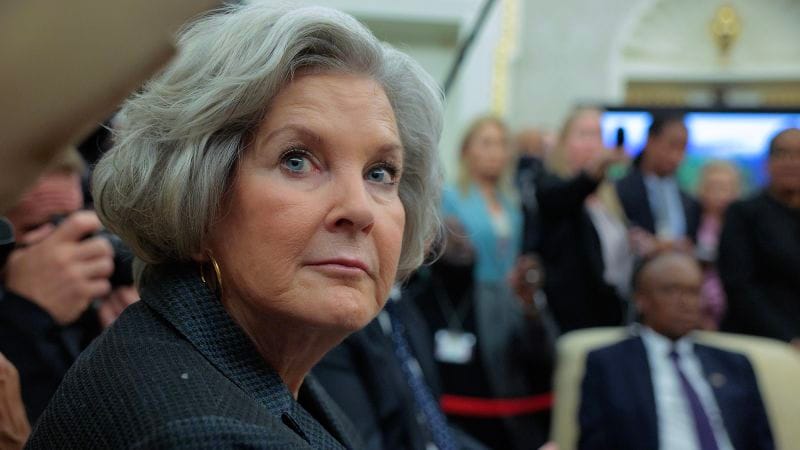
The source of the chaos? Susie Wiles, the chief of staff, who, in a series of incredibly candid interviews, has done what no other high-level staffer has dared to do: pull back the curtain on the instability at the core of the administration. Wiles is essentially painting a portrait of a president who is less a calculated strategist and more a creature of impulse, constantly seeking the next fix of validation and confrontation, which in the highest office of the land, represents a danger that goes far beyond political theater and verges on genuine national security risk, as every decision, from economic policy to military action, becomes susceptible to the whims of a personality driven by immediate gratification rather than long-term stability. This is bad. This isn’t just about policy disagreements; this is about the fundamental mental architecture of the man holding the nuclear codes.
The Alcoholic’s Personality and The Implosion of Governance
Wiles’s statement—that the president “has an alcoholic’s personality”—is a psychological sledgehammer delivered straight to the foundation of the administration. It’s not just a casual insult; it’s a clinical assessment disguised as political commentary, and it carries implications that suggest a pattern of behavior that is both compulsive and self-destructive. An alcoholic’s personality, by definition, involves a loss of control, an inability to prioritize long-term consequences over immediate needs, and a tendency toward denial and grandiosity, all traits that Wiles’s description of the Oval Office atmosphere seems to confirm. The chief of staff is describing an inner circle (the “core tea” as she calls them) that isn’t focused on policy objectives but rather on managing the impulses of a leader who operates on an entirely different plane of reality, a reality where every action is driven by a need to fulfill an addiction to chaos and attention, making the entire structure of government dangerously precarious.
This isn’t new territory for high-stakes political intrigue, but it’s a uniquely modern twist on the old story of imperial decline, where the emperor’s personal failings become state policy. Wiles’s choice of words suggests a crisis of compulsion, where the president is addicted not to a substance, but to the performance of power itself. This addiction manifests in constant, unpredictable shifts in strategy, loyalty tests for those around him, and a cycle of high-intensity conflict followed by temporary lulls, mimicking the pattern of addiction itself. The question, then, isn’t whether the administration can achieve its goals, but whether it can survive its own internal contradictions without completely imploding, and Wiles’s interviews suggest the latter is a very real possibility, especially with key policy decisions being made under duress and driven by psychological need rather than strategic planning.
The Vance Problem: The Conspiracy Theorist in Waiting
As if the president’s own behavior wasn’t enough to cause widespread panic, Wiles adds gasoline to the fire by taking aim at one of the administration’s most prominent allies: J.D. Vance. Wiles’s assertion that Vance has been a “conspiracy theorist for a decade” isn’t just an internal squabble; it’s a devastating indictment of the ideological core of the modern right. It suggests that the line between fringe beliefs and mainstream governance has not just blurred, but vanished completely, with Wiles revealing that the internal power dynamics are now being dictated by who holds the most extreme views, not the most realistic policy positions. This creates a terrifying feedback loop where the administration is constantly validating and elevating figures who thrive on misinformation, making the objective truth irrelevant to the decision-making process. The danger here is systemic: when the chief of staff—the ultimate gatekeeper—is openly describing key allies as living in a state of delusion, you have to wonder what kind of advice is actually making its way to the top and what kind of decisions are being made based on those fantastical premises. It’s not just about one person; it’s about a culture of unreality that permeates every level of power.
The Future Shock: The Imminent Breakdown of Order
This timeline of internal conflict, revealed on an off-year Election Day, points toward an administration that is past its peak and entering a phase of rapid decomposition. The high burstiness of the revelation—Wiles suddenly speaking out—is symptomatic of a system where internal dissent has reached critical mass, and key figures are deciding to jump ship before the final, inevitable crash. The “alcoholic’s personality” and the “conspiracy theorist” are not isolated problems; they are symptoms of a greater illness that threatens to bring the entire government to a halt. When the president’s own chief of staff feels compelled to go public with such devastating assessments, it indicates a level of desperation and internal fracture that is almost unprecedented in modern history. The implications for the remainder of the president’s second term are dire, suggesting a period of intense instability, policy paralysis, and potential international chaos as adversaries calculate that the US leadership is too distracted by internal meltdowns to respond effectively to external threats. The world watches as the American experiment enters a new phase of panic, driven by the revelations of a key insider who knows exactly how fragile the foundation has become. This isn’t just news; it’s a red alert for the future of democratic governance, a warning that the center cannot hold when the personality at the core is fundamentally unstable.