The Great Drug Price Illusion: Trump’s Big Pharma P.R. Stunt
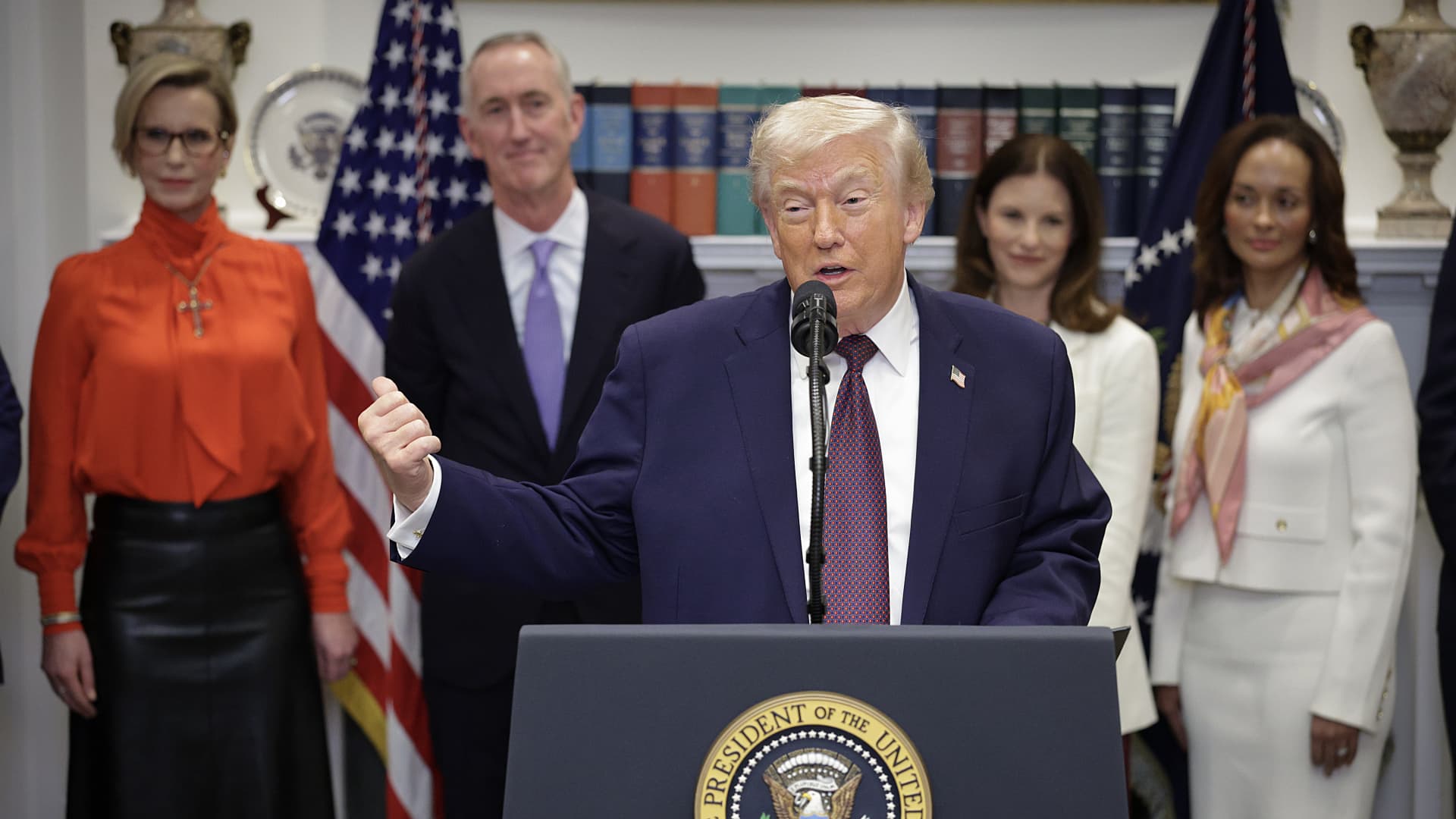
Listen up, folks. Don’t let the headlines fool you. You see President Trump announcing these ‘Most Favored Nation’ deals with nine drug companies, and you’re supposed to think, ‘Wow, finally, someone’s fighting for us.’ But let me tell you straight: this is just another layer of corporate crap designed to look like progress while keeping the same old, broken system in place. And because we’re supposed to believe that this is some kind of major breakthrough, we’re going to dive into exactly what’s going on beneath the surface of this announcement.
The Cynical Timeline of Systemic Failure
Before we even get to this specific deal, you have to understand where we came from. For decades, the pharmaceutical industry has held a vice grip on American healthcare. And it all goes back to a few key moments in history where politicians sold out the people for corporate campaign contributions. Because the very foundation of this mess is built on a lack of real negotiation, where the government refuses to use its enormous purchasing power to lower prices for everyone, unlike almost every other developed nation on the planet. And so, we’re left with a system where drug costs skyrocket, and people are forced to choose between groceries and medication. This isn’t a new problem; it’s a structural failure that has spanned administrations.
And then there’s the whole issue of PBMs (Pharmacy Benefit Managers), which are basically middlemen who skim profits off the top. They create this opaque labyrinth of rebates and fees that ensures prices for patients at the pharmacy counter stay high, even if a drug company theoretically offers a discount somewhere else. Because they are the ones who control which drugs get on a formulary and they get a cut of everything. And the government, instead of regulating these bloodsuckers out of existence, allows them to operate in the shadows, creating this elaborate Rube Goldberg machine where every single part adds cost, but nobody knows exactly where the money goes.
The ‘Most Favored Nation’ Deception: The Spin vs. The Reality
So, here we have Trump coming out with these ‘Most Favored Nation’ agreements. The idea is to mimic what other countries do—to pay a price for a drug that’s comparable to what other nations pay. But here’s where the cynicism kicks in, because these aren’t mandatory, across-the-board reforms. They’re ‘voluntary agreements’ with specific companies. Do you seriously think these billion-dollar corporations would agree to anything that significantly cuts into their profits unless they were getting something even better in return? Of course not. This is a PR move for them as much as it is for the politician. The drugmakers get to look like they’re helping, they get some positive press for being ‘cooperative,’ and they ensure that real, sweeping legislation that actually cuts deep into their bottom line doesn’t happen.
And let’s look at the nine companies involved: big players like Eli Lilly and Johnson & Johnson. These corporations didn’t sign up out of the goodness of their hearts. They calculated the cost of this ‘agreement’ and decided it was a cheaper alternative than facing a potentially hostile Congress or a genuinely aggressive new policy that could force them to lower prices universally. Because they are playing a long game, and a short-term, voluntary agreement like this is nothing more than a temporary Band-Aid on a massive, bleeding wound. But the media will play it up as a huge win, ignoring the fact that it only addresses a fraction of the problem for a specific subset of drugs, and it can be undone at any time.
The Human Cost of Political Games
Meanwhile, in the real world, people are still dying because they can’t afford insulin. And because they are rationing their medication, they end up in the emergency room, costing the system even more money in the long run. These political announcements, whether from a Republican or a Democrat, completely ignore the actual suffering on the ground. When you hear about these high-level negotiations, remember that it’s just talk until people stop having to make impossible choices. The complexity of these deals is designed to make you tune out, to make you feel like it’s too difficult for an ordinary person to understand, and that’s exactly what they want. They want you to trust that ‘experts’ are handling it, even though the ‘experts’ are often paid lobbyists or politicians more concerned with their next election than your health.
But let’s not pretend this is unique to a single political party. Every politician comes into office promising to fix healthcare. Every single one. And every single one fails to deliver meaningful, lasting change because the pharmaceutical lobby holds too much power. This deal, while framed as a decisive victory for the American patient, is actually just another example of the system working exactly as intended: giving a small concession to maintain the status quo. It’s a cynical masterpiece where everyone wins except the person writing the check for their life-saving medication.
The Path Forward: More of the Same
So, what happens next? Well, history shows us exactly what happens. These ‘voluntary’ deals lose steam. The companies find loopholes. A new crisis takes center stage, and everyone forgets about the high cost of drugs until the next election cycle, when another politician dusts off the same old talking points. Because the system is built on inertia, and it takes revolutionary change to overcome that. Not a small, voluntary agreement that looks good on paper but does little to help the average person struggling with chronic illness. And until we demand real change, until we dismantle the PBMs and give Medicare the power to negotiate prices universally, these headlines will keep popping up, creating the illusion of progress while the financial burden on families grows heavier every single year. The game is rigged, folks, and this deal is just another move in a long series of moves designed to keep it that way.