Trump Criticizes UK’s Chagos Islands Sovereignty Handover
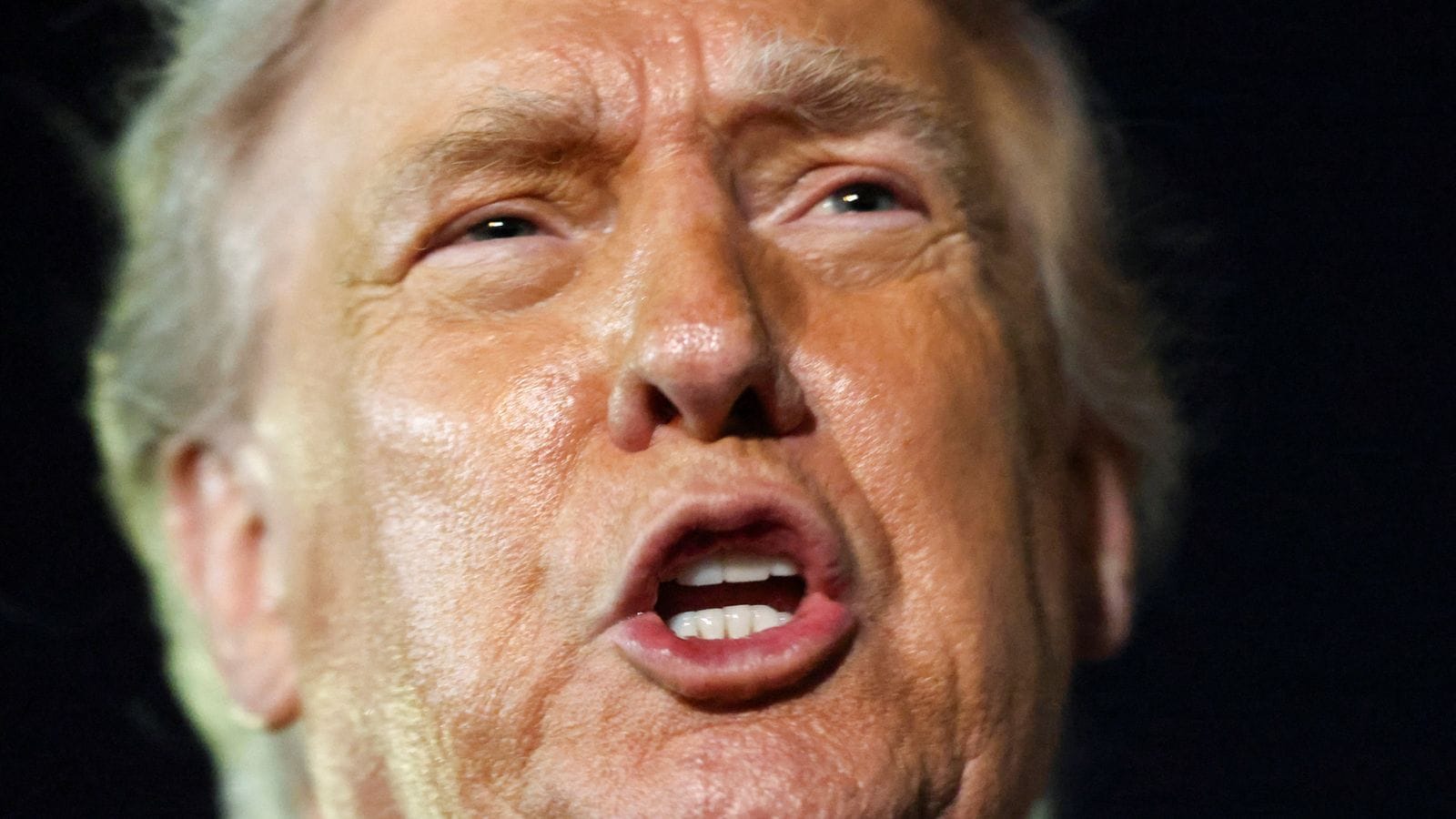
U.S. President Donald Trump has publicly condemned the United Kingdom’s decision to cede sovereignty over the Chagos Islands to Mauritius, labeling the move an “act of great stupidity.” The comments came as Trump prepares to attend the World Economic Forum in Davos, Switzerland, where he is set to engage with international leaders.
The U.S. President’s strong disapproval targets another NATO ally, following previous instances of friction. Trump’s remarks suggest a notable divergence in approach to international diplomacy and territorial disputes, even among close allies.
UK Minister Responds to Trump’s Criticism
A senior British minister has stated that U.S. President Donald Trump’s declaration will not alter the agreement concerning the Chagos Islands. Appearing on Sky News, the Chief Secretary to the Prime Minister, Darren Jones, addressed the President’s comments directly.
Jones emphasized that Britain should not feel embarrassed by the decision. His statements aimed to project confidence and affirm the UK government’s position amidst the international criticism.
Broader Context: The Chagos Islands Dispute
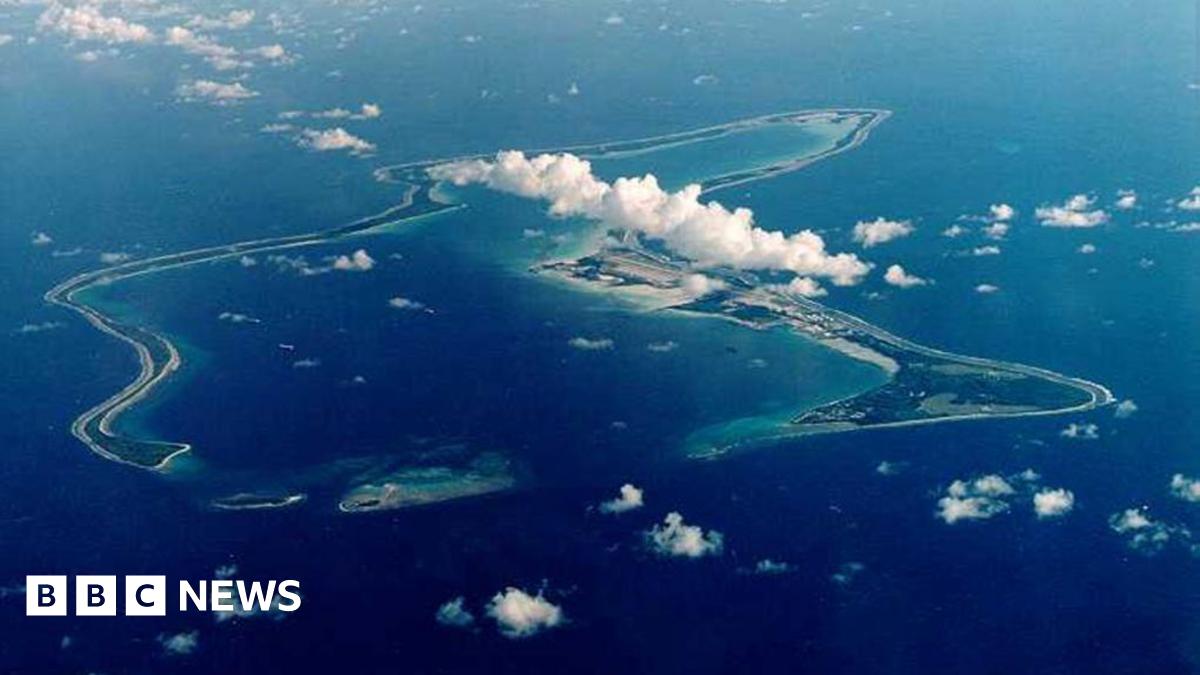
The Chagos Archipelago, a strategically located group of islands in the Indian Ocean, has been a source of contention for decades. Historically administered by Britain, the islands hold significant geopolitical importance.
The dispute intensified when the United Kingdom forcibly removed the islands’ inhabitants, known as the Chagossians, in the 1960s and 1970s to make way for a joint U.S.-UK military base, Diego Garcia. This has been a central grievance for the Chagossian people and their descendants, who have sought repatriation and compensation.
International Law and Advisory Opinions
The International Court of Justice (ICJ) issued an advisory opinion in 2019, finding that the detachment of the Chagos Archipelago from Mauritius by colonial powers was unlawful. The court called for the islands’ return to Mauritian sovereignty.
Subsequently, the United Nations General Assembly adopted a resolution in 2019, largely aligning with the ICJ’s findings and demanding that the UK complete the withdrawal of its installations from the Chagos Archipelago within six months. This international legal pressure has significantly shaped the debate and the UK’s eventual decision.
Mauritius’s Claim and the UK’s Agreement
Mauritius has long claimed sovereignty over the Chagos Archipelago, asserting that it forms an integral part of its territory. The islands were separated from Mauritius by British colonial administration in 1965, three years before Mauritius gained independence.
The recent agreement between the UK and Mauritius signifies a shift in the long-standing dispute. While the specifics of the handover are still being finalized, the commitment to transfer sovereignty has been made, signaling an end to decades of British administration.
Geopolitical Implications of the Deal
The return of the Chagos Islands to Mauritius carries significant geopolitical implications. The islands are home to the U.S. military base at Diego Garcia, a critical hub for American and British forces in the Indian Ocean and beyond.
The status of this military base under Mauritian sovereignty is a key point of negotiation. Both the U.S. and the UK have expressed a desire to maintain the base’s operational capabilities, raising questions about future agreements and security arrangements.
Trump’s Greenland Remark
Interestingly, President Trump linked the Chagos Islands situation to his previous interest in acquiring Greenland. He stated, “I have to have Greenland,” drawing a parallel between territorial acquisitions and strategic interests.
This remark underscores Trump’s transactional approach to foreign policy and his willingness to explore unconventional avenues for perceived national advantage. It also highlights his tendency to connect disparate international issues within his own foreign policy framework.
Trump’s ‘Great Stupidity’ and NATO Relations
The characterization of the UK’s decision as an “act of great stupidity” is a stark example of Trump’s direct and often confrontational communication style with allies. This criticism comes on the eve of his participation in the World Economic Forum, where he is expected to interact with European leaders.
The U.S. President’s willingness to publicly criticize a key NATO ally like the UK highlights ongoing dynamics within the alliance and the challenges in maintaining cohesive foreign policy alignment. Such pronouncements can strain diplomatic relationships and complicate multilateral efforts.
The ‘Special Relationship’ Under Strain
The United States and the United Kingdom share a historical “special relationship,” characterized by close political, military, and economic ties. However, Trump’s recent comments suggest that this relationship can face considerable strain.
The President’s outspoken criticism, particularly when directed at allies, often creates ripples in diplomatic circles. The handling of the Chagos Islands issue, coupled with other trade and security disagreements, can test the resilience of this historically strong bond.
Looking Ahead: Diplomacy and Future Agreements
As the UK proceeds with the handover of the Chagos Islands to Mauritius, the international community will be watching closely. The diplomatic fallout from President Trump’s statements, and the practical implications for the future of the Diego Garcia base, remain key areas of focus.
The situation underscores the complex interplay of historical grievances, international law, geopolitical strategy, and personal diplomacy in contemporary international relations. The coming months will likely see further developments as new agreements are negotiated and territorial sovereignty is formally transferred.