The Emperor’s New Oil Barrels: A Comedy of Errors in Caracas
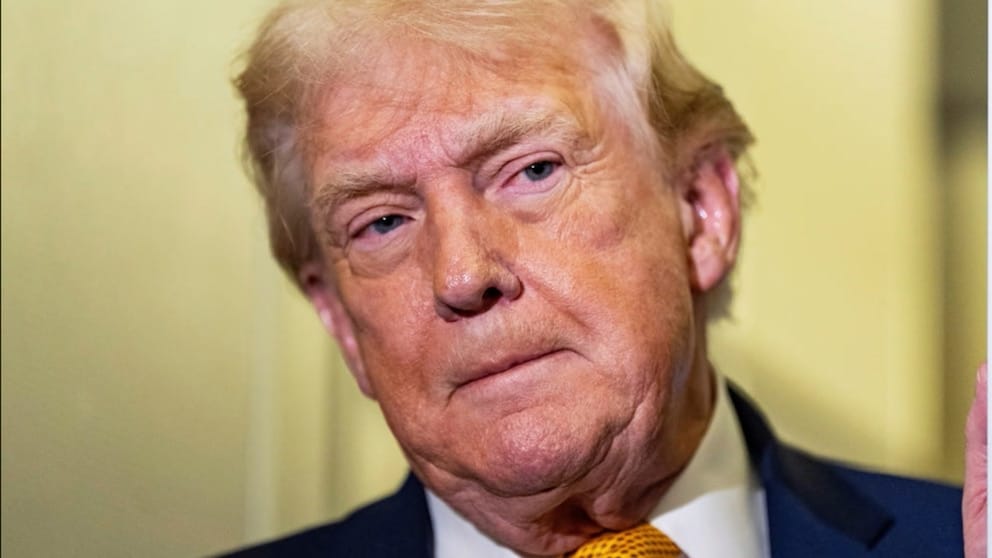
So, the big man in the White House—or rather, the *former* big man making noise—claims Venezuela is just going to hand over 30 to 50 million barrels of the black gold. Thirty to fifty million! That sounds like the sales pitch for a timeshare in a swamp. What, is he using Monopoly money for this transaction? Seriously, who is buying this hook, line, and sinker? We are talking about Venezuela here, the place where the oil wells are drier than a stand-up comic’s jokes from 1985, yet somehow they have this massive surplus ready for delivery right when Daddy needs a win. It’s rich, isn’t it? It truly is.
The Fantasy vs. The Filth: Operational Reality Check
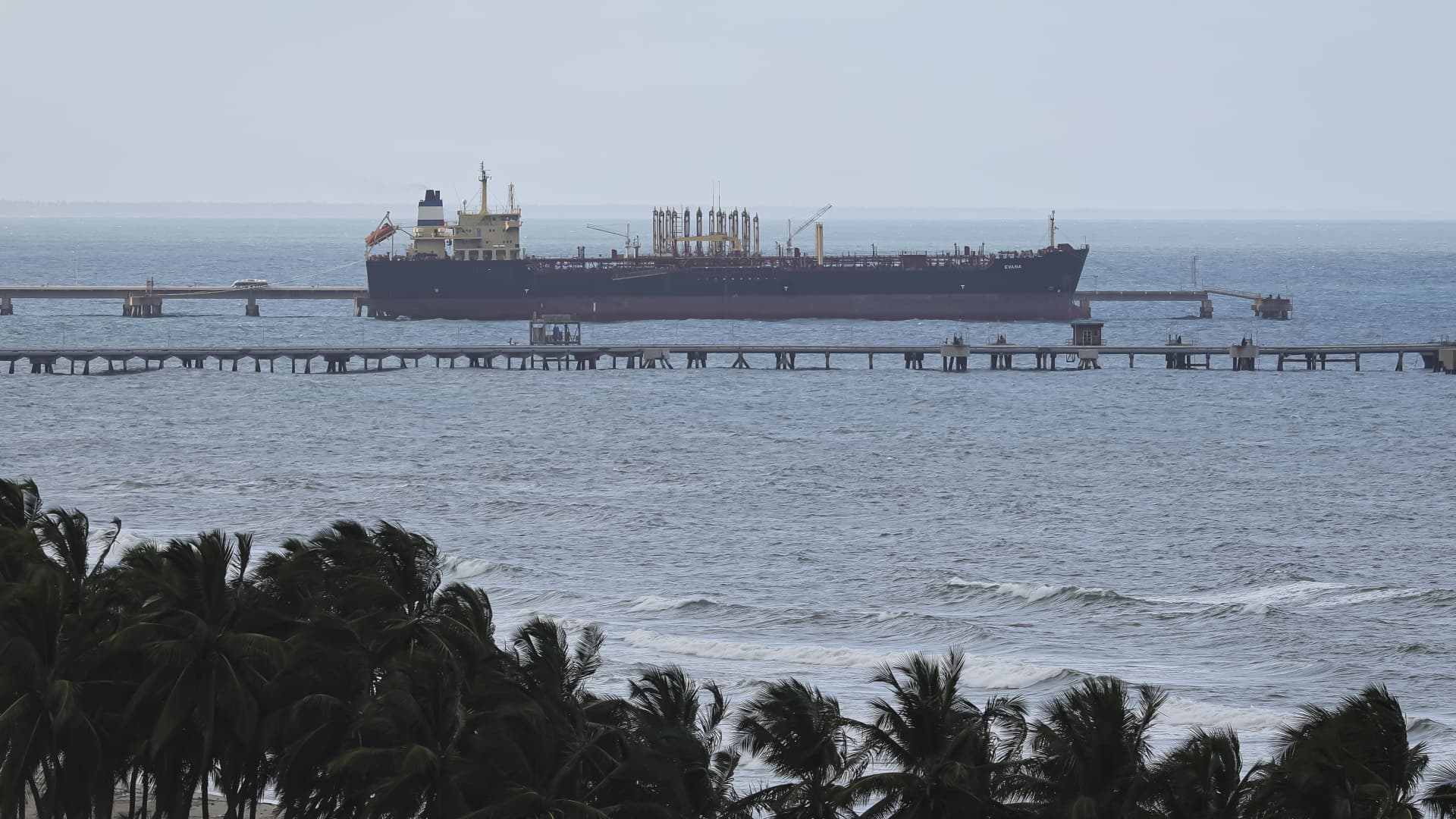
Let’s be real, shall we? The claim that interim authorities are just going to load up the supertankers and send them across the Caribbean is pure fantasy wrapped in political theater. The infrastructure in Venezuela looks like it was hit by a meteor strike followed by a decade of neglect and looting. You think those pumps and pipelines, which haven’t seen a decent American maintenance crew since, well, ever since they stopped being buddies, are just going to cough up fifty million barrels on command? Give me a break. It’s a puff piece, a headline grab, a way to distract from the actual mess they left behind. Where is the logistics chain, I ask you? Where are the ships? Are they powered by good intentions and poorly negotiated IOUs? Why would the interim group—which barely controls their living room, let alone their oil fields—have the unilateral power to cut such a massive deal? It smells fishy.
It reeks of desperation on both sides. On one hand, you have the fragile interim government, grasping at straws, trying to show their international sponsors they can still make things happen, even if those things are promises written on cocktail napkins. On the other, you have the narrative architects trying to sell the idea that American diplomacy (or bullying, depending on your viewpoint) can instantly fix a collapsed state economy. It’s an absolute clown show, and we’re supposed to clap along. I’m not clapping. I’m checking my watch.
Big Oil’s Side of the Story: Where’s the Excitement?
The content mentions that Big Oil doesn’t share Trump’s dream of making Venezuelan oil great again. Now *that* is the kernel of truth buried under all the fluff. Big Oil is pragmatic; they aren’t running a charity, and they certainly aren’t running on slogans. They need stability, legal assurances, and, most importantly, functional pipelines that aren’t leaking crude into the ocean because some bureaucrat stole the replacement gasket in 2011. If this supposed deal were real, if those 50 million barrels were genuinely secured and ready to roll, ExxonMobil and Chevron would be drooling so hard they’d short-circuit their own drilling platforms. But they’re suspiciously quiet, aren’t they? Shhh. Hear that? It’s the sound of massive multinational corporations staying silent because they know the fine print says, “This oil is contingent upon the successful overthrow of the current regime and the discovery of a functional diesel generator.”
What happens when they try to extract it? Do they send in the Marines? Are we back to gunboat diplomacy just to pick up a shipment of heavy crude? This isn’t a swap meet; this is international relations complicated by sanctions, political volatility, and decades of endemic corruption. It’s a powder keg with a very short fuse.
The History Lesson Nobody Wanted to Hear
Let’s rewind the tape a bit. Venezuela was sitting on the largest proven oil reserves in the world. Think about that potential. Now, contrast that with their current pathetic production numbers, scraping by maybe a million barrels a day, if they’re lucky and the rain holds off. That fall from grace wasn’t accidental; it was engineered. It was a symphony of mismanagement, expropriation, and frankly, disastrous economic policy that would make a third-year economics student blush. Trump’s excitement over the prospect of getting this oil isn’t about American energy independence as much as it is about scoring a perceived political victory against the specter of socialism, even if the prize is covered in muck and requires a HAZMAT team.
Does the U.S. need Venezuelan oil? Sure, historically, it was a reliable source, lighter crude that US refineries were built to handle. But is promising to take 50 million barrels right now a sustainable strategy? Absolutely not. It’s like promising your starving neighbor half your pantry when your own cupboard is nearly bare. It’s performative generosity, relying on assets you don’t physically possess or control. It’s borrowing against the future of a nation that is already bankrupt, both financially and morally.
The Geopolitical Backchannel Whispers
This whole announcement feels like a high-stakes game of chicken played on a tightrope made of debt. Who *really* benefits from this announcement? Not the Venezuelan people, who need basic foodstuffs, not debt relief couched in oil futures. Maybe this is leverage. Maybe this is a signal to other nations who think they can play hardball with Washington regarding energy supplies: ‘See? We can make deals even with the most hostile regimes, so you better play nice too.’ It’s classic saber-rattling, but instead of swords, they are waving extremely dubious oil vouchers. It’s theatrical, and frankly, exhausting.
Imagine the scenario: The oil arrives. Great! Then what? Does the money go to the interim authority? Does it go to paying off outstanding debts to Russian or Chinese creditors? Or does it miraculously find its way into stabilizing the Venezuelan economy? My money is on option C being the least likely outcome. It’s a payoff mechanism disguised as a trade agreement. And if the oil *doesn’t* arrive, which is statistically more likely than not, then the whole thing was just hot air, proving once again that bold statements don’t equal barrels in the tank.
Prediction: The Slow Fade into Obscurity
This 30-to-50 million barrel announcement will fade faster than a Snapchat story. Why? Because the paperwork required for an international oil transfer of that size, involving a sanctioned and fractured nation, is thicker than *War and Peace*. There are security risks, insurance nightmares, and contractual obligations that simply cannot be waved away by a presidential declaration. Big Oil knows this. The markets probably yawned. The only people truly invested are the cable news pundits who need something splashy to discuss between segments on celebrity gossip.
It serves its immediate political purpose, I grant you that. It suggests movement, resolution, strength. But when the tankers don’t sail and the delivery date passes without fanfare, the administration will pivot. They will blame sanctions, they will blame the bad actors still lurking in Caracas, they will blame literally anyone except the reality that you can’t negotiate oil delivery with a ghost regime.
The Satirical Bottom Line
Are we really expected to believe this is a serious energy policy shift? This isn’t OPEC meetings; this is a soap opera with geopolitical undertones. It’s Trump promising to buy the moon and assuring everyone the delivery truck is already on its way. We should be asking: What’s the real price tag on this ‘gift’? And what concessions, political or otherwise, were actually given up behind closed doors to secure this fleeting promise? Because nothing in international politics, especially involving oil and failed states, is ever truly free. It just means someone else—likely the Venezuelan people, again—will pay the piper later. Are we just supposed to sit back and enjoy the spectacle? Tough call. I guess I’ll grab the popcorn.
The Inevitable Questions That Will Never Be Answered
What happens when the 50 million barrels don’t materialize? Who takes the fall? Do we blame the ‘interim authorities’ for getting cold feet, or do we blame the inherent impossibility of the deal itself? And why is the valuation of this supposed transfer always so vague—’worth about $1′ in one report, tens of millions in others? It’s designed to be fuzzy, isn’t it? Like trying to nail Jell-O to a wall. This whole saga is less about energy security and more about demonstrating perceived power in a region that has historically resisted that very demonstration. It’s a flex, folks, but one that seems to be made with rubber bands instead of steel cables. Let’s see how long this rubber band holds before it snaps and hits everyone in the face. Spoiler alert: Not long at all.