The Whispered End of Biden’s Biggest Promise: The SAVE Plan Settlement
Let’s talk about what really happened this week, beyond the headlines. You saw the news: The Trump administration, in a move that signals a return to a pre-pandemic, pre-Biden status quo, announced a settlement agreement to end the SAVE plan. For millions of borrowers, this isn’t just a policy change; it’s a gut punch. They were told, in no uncertain terms, that their new repayment plan would make their lives easier, perhaps even forgive a substantial portion of their debt. They adjusted budgets, planned for the future, and breathed a collective sigh of relief, thinking the worst was over. Now, a simple press release and a legal maneuver have pulled the rug out from under them.
This whole SAVE program, from its inception, always felt like a house of cards. It was a political hail mary, designed to bypass Congress and deliver on a campaign promise that was proving difficult to keep through conventional means. The Biden administration, facing immense pressure from progressive wings of its party, tried to use executive power to deliver debt relief, first with the larger forgiveness plan—which the Supreme Court ultimately shot down—and then with the SAVE plan, which was essentially a modified income-driven repayment (IDR) plan on steroids. The goal was to drastically lower monthly payments, particularly for low-income borrowers, and potentially offer forgiveness in as little as 10 years, depending on the loan amount and income. It sounded good on paper; it felt like a lifeline.
But the whispers from inside sources always suggested this was fragile. The SAVE plan, like its predecessor, was built on a very aggressive interpretation of the Higher Education Act. Conservative states and organizations, knowing this, immediately mobilized their legal resources. They weren’t just fighting the policy; they were fighting the *methodology*—the idea that a president could unilaterally create such a massive financial program without congressional approval. The lawsuits argued that SAVE, much like the initial forgiveness plan, represented a significant transfer of wealth and a blatant overstep of executive authority. The legal challenge wasn’t just a nuisance; it was a ticking time bomb. The Trump administration, by agreeing to a settlement, didn’t just end the program; it essentially acknowledged the validity of the legal challenge, avoiding a lengthy court battle that might force a different outcome.
The Insider’s View: Political Theater and Collateral Damage
Let’s not get it twisted: This entire episode—from the creation of SAVE to its termination—is political theater at its most cynical. For the Biden administration, it was a way to energize a specific voting bloc, offering tangible relief to those burdened by debt. For the Trump administration and its allies, ending SAVE is not just about fiscal responsibility; it’s about dismantling the legacy of the previous administration piece by piece. It’s a clear signal to voters that every executive order is subject to immediate reversal upon a change in leadership. The student loan fight has become a key battleground in a broader culture war, where debt relief is framed as either economic justice or reckless fiscal policy.
The settlement itself is fascinating in its implications. It suggests that the Trump administration saw the writing on the wall. Rather than allowing the courts to make a final ruling—a process that could potentially take months or even years of appeals, leaving borrowers in a state of extended uncertainty—they chose to end it quickly, decisively, and on their own terms. This creates a vacuum, forcing millions of borrowers to scramble back into default status or, at best, a much less favorable repayment plan. The short-term pain for borrowers is immense, but the long-term goal for the new administration is to establish a legal and political precedent that limits the scope of future executive action on debt.
It’s important to understand who wins in this scenario, and who loses. The borrowers, obviously, are the biggest losers. They are left holding the bag, facing higher payments, and potentially having to re-navigate the Byzantine bureaucracy of student loan servicers. The political winners, however, are multifaceted. The Republican states that sued get their victory. The financial institutions that hold the debt get a clearer path to collection. And the political elite get to use this entire process to energize their base, casting the other side as either irresponsible or cruel, depending on which side of the aisle you stand on. The middle ground, where solutions might actually be found, has simply ceased to exist.
The Unsettling Precedent and The Debt Treadmill
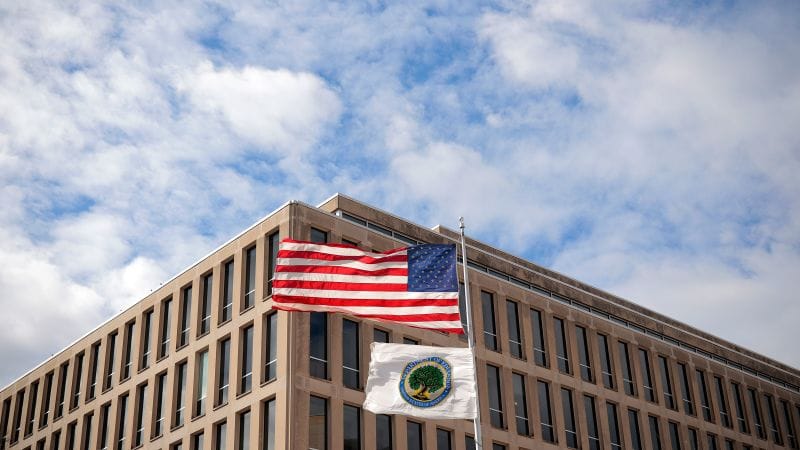
What does this mean for the future? The immediate impact is obvious: millions of borrowers will have to transition out of SAVE. They’ll likely be pushed back into standard IDR plans, which offer less generous terms, or, in the worst-case scenario, face default if they can’t afford the new payments. The financial industry is already preparing for a wave of re-enrollments and adjustments. The Department of Education, under new leadership, will be tasked with implementing a rapid unwinding of a program that took months to establish. It’s going to be messy, chaotic, and almost certainly frustrating for everyone involved. The burstiness of the policy changes creates high anxiety for the people affected.
This settlement, however, sets a much larger precedent. It solidifies the idea that executive actions regarding student debt are ephemeral. If a program like SAVE can be created by one administration and dismantled by the next with relative ease, then borrowers have no long-term financial stability to rely on. This instability is arguably worse than having no program at all, because it creates false hope and disrupts financial planning. Imagine building your family budget around a low payment, only to have it ripped away by a political shift in Washington. This instability ensures that the student loan crisis remains a perpetual tool for political leverage rather than a genuine problem to be solved. The system, in essence, is kicking the can down the road, ensuring that the next generation of college students will face the exact same challenges.
Let’s talk about the real problem here, because the SAVE plan wasn’t the solution, merely a band-aid. The root cause is the skyrocketing cost of higher education itself. Universities, emboldened by easy access to federal loans, have raised tuition rates far beyond the rate of inflation. The government, rather than addressing this predatory cycle, has simply offered more and more loan options and repayment plans. The SAVE plan, in this context, was just another way to accommodate the high cost of education without ever challenging the universities or holding them accountable for their expenses. By terminating SAVE, the Trump administration isn’t just reversing a Biden policy; it’s revealing the underlying flaw in the entire system: The government will give you the loan, but it will always demand payment in full, one way or another.
The Real Game: The Future of Higher Education Funding
The insider’s perspective suggests that the next phase of this battle won’t be about loan forgiveness; it will be about accountability for higher education institutions. There are whispers within the policy circles that the real solution involves capping tuition, penalizing schools with low graduation rates, and re-evaluating the federal funding model entirely. However, such proposals face stiff resistance from powerful university lobbying groups and state governments that rely on higher education as a major economic driver. The current legal victory against SAVE might embolden these groups to further resist any attempts at systemic reform. The status quo, in which debt collection is paramount, is what these institutions prefer. The system, in its true form, is designed to perpetuate itself.
What about the future of IDR programs in general? Will this settlement lead to a complete overhaul of all income-driven repayment options? It’s possible. The legal challenges against SAVE were fundamentally about the cost to the government, arguing that it was a backdoor forgiveness program that cost billions. If this precedent holds, future administrations will be extremely cautious about implementing similar programs, fearing immediate legal challenges and eventual reversals. The long-term impact is not just on current borrowers but on future students considering taking out loans. The message is simple: You are on your own. The government’s promise of help is temporary at best.
So, where does this leave us? The student loan crisis in America is not just an economic issue; it’s a moral failure. Both parties have failed to address the root cause, choosing instead to engage in political posturing. The SAVE plan, for all its good intentions, was poorly constructed and always vulnerable to legal challenge. Its end, while painful for millions, confirms what many insiders already knew: The system will ultimately protect itself from any attempt at meaningful reform. The real solution requires a complete re-think of higher education funding, something neither side seems prepared to do. For now, borrowers are left to navigate the wreckage of a broken promise, reminded once again that in Washington, every benefit is temporary, and every debt is forever.