
The Anatomy of Defiance: Trump’s Strategic Response to the Inevitable
In the high-stakes arena of American politics, where perception often trumps reality and every utterance is dissected for its strategic implications, the recent whispers and outright questions surrounding Donald Trump’s health and the visible march of time are hardly surprising. What *is* intriguing, from a cold, strategic analyst’s perspective, is not the fact of aging itself—a biological inevitability for us all—but rather the former president’s calculated, almost belligerent, response to it. This isn’t just a man fending off personal queries; this is a seasoned political operator engaging in a full-spectrum defensive maneuver, turning what could be perceived as a vulnerability into another battleground for control of the narrative. What exactly is the game plan here?
The media, with its insatiable appetite for narrative, has zeroed in on what it frames as ‘signs of aging’ and ‘new revelations,’ naturally sparking public discourse. Yet, for a strategist, this isn’t about pathology; it’s about psychology and power. Trump’s immediate, vociferous declarations of ‘perfect health’ aren’t merely rebuttals; they’re direct challenges to any perceived weakness, an emphatic assertion of dominance over his own narrative, designed to preemptively dismantle any attempts by political adversaries to weaponize the natural process of physical decline. Is this a sign of desperation, or a well-rehearsed tactic?
The Aspirin Gambit: A Calculated Risk or a Tell?
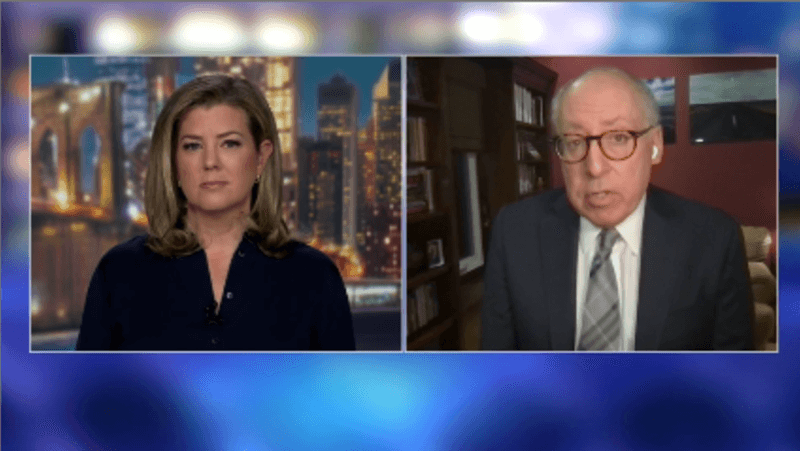
Then there’s the aspirin revelation: Trump stating he takes a high daily dose. Now, medically speaking, this immediately raises eyebrows and warrants caution, as Dr. Jonathan Reiner of CNN correctly points out, given the risks associated with high-dose aspirin. But let’s peel back the medical layer and look at the strategic implications. Why disclose this? Was it a gaffe, or a deliberate breadcrumb? A cold strategist might argue it’s a form of strategic misdirection, a way to anchor the conversation on a specific, controllable medical detail rather than broader, more ambiguous ‘signs of aging.’ It shifts the focus from a vague sense of decline to a specific, almost proactive health management choice, however questionable the medical advice behind it. Is he trying to show he’s on top of things?
The act of revealing a specific health regimen, even one that invites medical scrutiny, can be twisted into an affirmation of vigilance. It presents a picture of a man actively managing his health, rather than passively succumbing to age. This is the difference between being *old* and being *old but fighting*. For a political figure whose entire brand is built on strength, resilience, and winning, every public-facing detail, even those seemingly innocuous, is a data point in the larger campaign to project unwavering vitality. What message does this send to his base, who idolize his fighting spirit?
Historical Echoes: Presidents and the Illusion of Invincibility
Let’s not kid ourselves; the history books are replete with examples of presidents and powerful figures who went to extreme lengths to conceal or downplay health issues, understanding intuitively that a leader’s perceived vitality is inextricably linked to their perceived capacity to lead. Think of Franklin D. Roosevelt, meticulously hidden from public view in his wheelchair, projecting an image of robust leadership despite debilitating polio. Or John F. Kennedy, whose myriad health problems, including Addison’s disease and chronic back pain, were a closely guarded secret, presenting instead a youthful, vigorous facade. These weren’t mere personal choices; they were strategic imperatives, recognizing that any hint of frailty could erode public confidence and provide ammunition to political rivals.
Trump operates in this grand tradition, albeit with his own distinct, confrontational style. Where past leaders opted for secrecy, Trump often opts for overt defiance. He meets accusations of frailty not with quiet dismissals, but with a full-throated roar of ‘perfect health,’ attempting to bludgeon the narrative into submission. This is the art of strategic contrast: presenting himself as a bull in a china shop of polite political discourse, daring anyone to challenge his strength. Does he believe this will always work?
The 2024 Calculus: How Aging Shapes the Race
As the 2024 election cycle looms large, the age factor becomes a crucial, if uncomfortable, variable in the strategic calculus for both parties. For Trump, maintaining an image of boundless energy and vigor is paramount. His rallies are grueling, his schedule often relentless. Any visible sign of slowing down could be exploited by opponents seeking to paint him as past his prime, out of step, or simply incapable of handling the immense pressures of the presidency. The opposition, of course, will try to frame any stumble, any verbal slip, any perceived fatigue as definitive proof of his unsuitability for office, turning minor incidents into seismic events for the cable news cycle.
Consider the strategic counter-moves. Trump’s team must now meticulously plan every public appearance, every photo opportunity, every media interaction to reinforce the image of an energetic, unbowed leader. This means controlling lighting, angles, speech duration, and even the pace of his movements. It’s a delicate dance, a high-wire act performed under the harsh glare of constant scrutiny. This isn’t about policy debates or economic figures; it’s about the visceral, almost primal, impression of competence and endurance. What specific tactics will emerge from his camp to address this head-on, or rather, to sidestep it entirely?
The Psychology of the Persona: Strength Above All
Trump’s political persona has always been built on an almost mythic projection of strength, an alpha male defiance that resonates deeply with his base. Any acknowledgment of physical vulnerability, however minor, threatens to chip away at this carefully constructed edifice. His insistence on ‘perfect health’ is therefore not just an answer to a question; it’s a reaffirmation of his core brand identity, a message to his followers that their champion remains indomitable. This plays into a larger psychological game, where doubt is the enemy and certainty, even manufactured certainty, is currency. Does his base truly care about the medical details, or just the unwavering conviction?
The ‘cold strategist’ understands that human beings often respond more powerfully to emotional appeals and symbolic gestures than to dry facts. When Trump defiantly dismisses health concerns, he’s not engaging in a medical debate; he’s performing an act of political theater, reinforcing the narrative of a strong leader unjustly attacked by a hostile media. It’s a tactic as old as politics itself: rally the troops by identifying a common enemy and presenting yourself as the unassailable bulwark against it. He’s essentially telling his supporters, ‘They’re trying to weaken me, but I’m stronger than ever.’ This narrative loop is remarkably effective for his devoted followers. Will it sway independents?
Future Predictions: The Strategic Imperative of Stamina
Looking ahead, how might this dynamic evolve? We can anticipate an escalation of both the scrutiny and the counter-messaging. Every public appearance will be a test. Every gaffe, real or imagined, will be amplified. Trump, in turn, will likely double down on his defiant posture, perhaps even deliberately embracing physically demanding optics to disprove critics. Expect more unscripted moments designed to showcase vitality, perhaps even an intentional courting of controversial medical advice if it serves the broader strategic aim of projecting strength. The goal is simple: control the narrative at all costs. What new, audacious moves might he unleash?
The ultimate strategic goal here isn’t to convince medical professionals of his perfect health; it’s to convince a critical mass of voters that he possesses the stamina, mental acuity, and physical resilience required for the most demanding job on the planet. This means turning potential liabilities into opportunities for dramatic displays of resilience, constantly performing strength. It’s a relentless campaign, not just for votes, but for the very *image* of power itself. The political landscape dictates that a leader, especially one seeking re-election, cannot afford to appear weak. It’s a brutal game. What will be the ultimate cost of this constant performance?
The bottom line, from a cold strategist’s perch, is this: Donald Trump’s response to questions about his aging isn’t a mere ego defense. It’s a calculated, multifaceted strategic play to neutralize a potential vulnerability and reinforce his core brand of indomitable strength. Every defiant statement, every revelation, every public appearance is a piece of a larger, carefully orchestrated political chess match. The stakes are immense, and for Trump, the only acceptable outcome is absolute victory, even if it means bending reality to his will. The fight isn’t just for the presidency; it’s for the very narrative of his own enduring power. Who truly holds the cards in this high-stakes poker game of perception?
Photo by geralt on Pixabay.