The Anatomy of a Panic Buy: Toronto’s High-Stakes Gambit
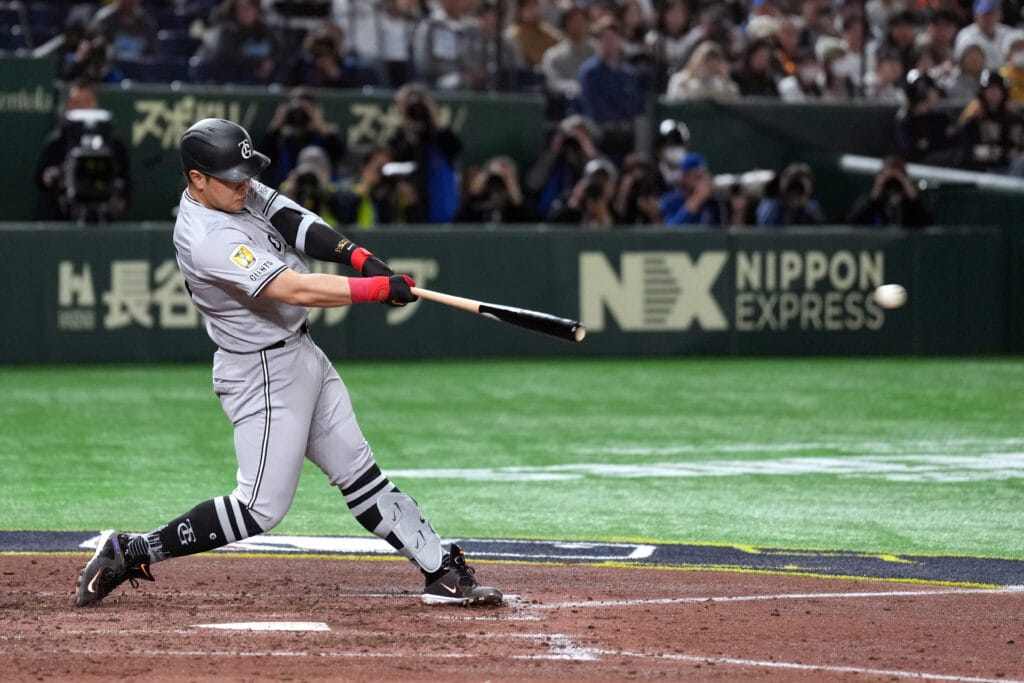
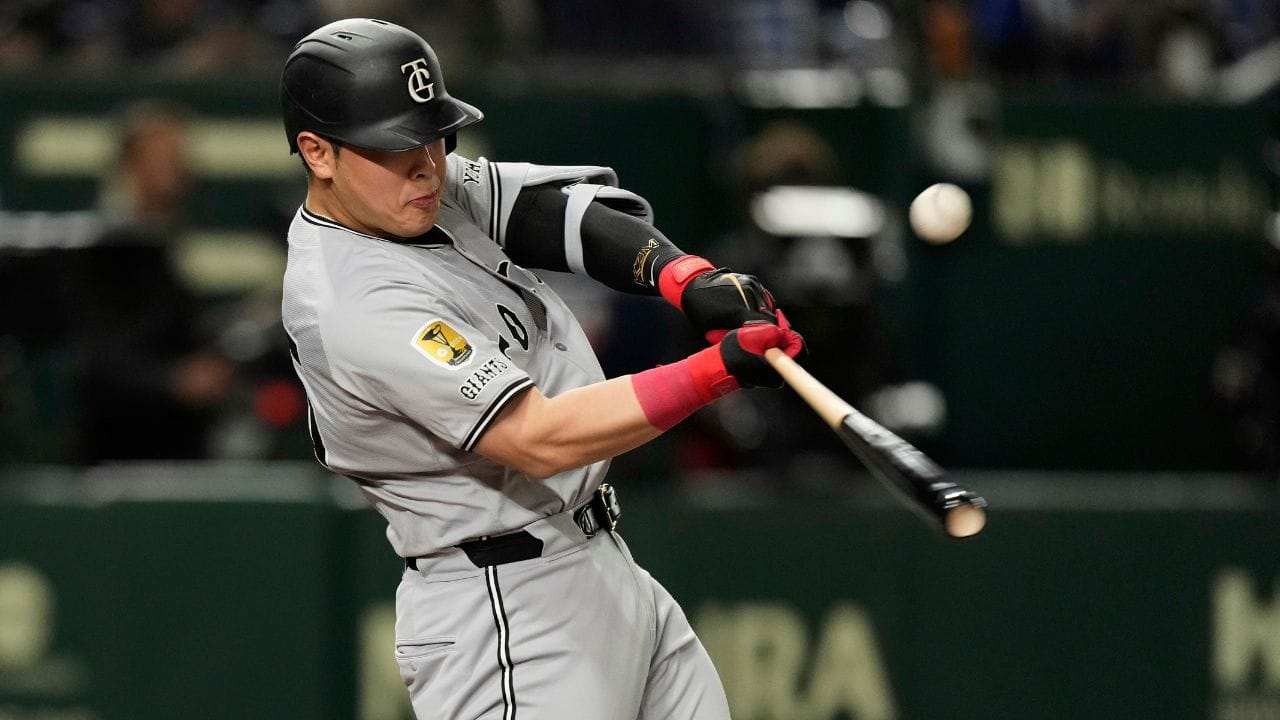
Let’s cut through the noise and PR spin on this one, shall we? The Toronto Blue Jays didn’t sign Kazuma Okamoto because he was their long-term, meticulously planned solution. They signed him because they were left with absolutely nothing in the wake of the Shohei Ohtani sweepstakes disaster, a strategic failure that left the franchise looking flat-footed and incapable of closing a deal. This wasn’t a calculated move; this was a Hail Mary pass in the final seconds of a clock that was about to hit zero, a desperate scramble to find *any* position player to appease a fanbase rightfully furious about a quiet off-season.
We’re talking about a franchise that needs to prove it can compete in the AL East, a division where every single competitor—from the big-money Yankees to the surprisingly disciplined Orioles—is making moves to get better. The Blue Jays’ front office found themselves with their backs against the wall, watching as every high-profile free agent they courted either signed elsewhere or simply used them as leverage to get a better deal from another club. The Okamoto signing isn’t a sign of strength; it’s a symptom of weakness and a clear indication that the Blue Jays needed to make noise, any noise at all, before the posting window slammed shut on Sunday.
Was this a calculated strike or simply a reaction to a public relations disaster? The timeline suggests the latter. The news cycle surrounding Okamoto’s posting window was full of reports about teams being eliminated from contention, a classic negotiation tactic that suggests a player’s market value might be stagnating or that teams are getting cold feet about the high-stakes risk involved in acquiring an NPB star without a proven track record against MLB pitching. The Blue Jays swooped in during this period of uncertainty, making it look like they were seizing an opportunity when, in reality, they were simply taking whatever was available to avoid utter embarrassment.
The Deadline Countdown: A Timeline of Panic
Phase 1: The Posting Window Opens and Teams Dither
The posting window for NPB players is always a fascinating exercise in market dynamics and high-stakes poker. When a player like Okamoto, known for his power in Japan (a 1.000+ OPS in the NPB is no joke), becomes available, teams face a difficult calculation: How do you value a player whose statistics don’t directly translate to MLB? The posting fee alone is a significant investment, especially for a player who, while talented, isn’t on the level of Ohtani or Ichiro in terms of guaranteed marketability and performance. The Cold Strategist looks at this not as a player evaluation, but as a risk assessment: What is the downside if he fails, and what is the realistic upside given the current roster? For most teams, the risk was too high, which explains why reports surfaced that multiple suitors were eliminated from the chase before the deadline even arrived.
A source told MLB.com’s Mark Feinsand that while teams were initially interested, the bidding process quickly narrowed. This suggests that the market for Okamoto was not as robust as initially portrayed. Teams weren’t falling over themselves to sign him; they were running calculations, comparing him to available MLB free agents like Matt Chapman or Rhys Hoskins. The Blue Jays, however, found themselves in a unique situation: they needed a third baseman, and they had struck out repeatedly on every single high-profile target in the off-offseason. They were desperate for a solution, any solution, before their front office completely lost face in front of their ownership and fanbase. It’s hard to imagine they didn’t overpay, given their desperate position in the negotiation.
Phase 2: The Final Countdown and The Toronto Gambit
As the deadline approached on Sunday at 5 p.m. ET, the pressure intensified. This wasn’t just about baseball; it was about optics. The Blue Jays had become a punchline in sports media, a team with deep pockets that consistently failed to land the big fish. They needed a win, no matter how small, to change the narrative. The reports from ESPN’s Jeff Passan confirming the signing were less about breaking news and more about confirming the inevitable. With Okamoto’s 45-day posting window set to expire, the Blue Jays effectively said, “We’ll take him, or we’ll have nothing.”
This move highlights a critical flaw in the Blue Jays’ off-season strategy. Instead of making a clear, confident decision, they waited until the very last minute, seemingly reacting rather than planning. It suggests a lack of foresight and an inability to adapt to the rapidly changing dynamics of the free agent market. They didn’t just want Okamoto; they *needed* him to avoid total strategic failure. It’s a classic example of a team letting external pressure dictate internal decisions, which is exactly how you make bad contracts. The Cold Strategist understands that a successful franchise dictates the market, not reacts to it.
The Blue Jays’ off-season strategy, or lack thereof, has been one of the biggest stories in baseball. After failing to retain Chapman, they also failed to lure Ohtani. They were rumored to be in on Juan Soto before he was traded to the Yankees. It feels like they were always one step behind, perpetually chasing shadows rather than executing a definitive plan. The Okamoto signing is the equivalent of winning a bronze medal after aiming for gold; it’s technically a victory, but everyone knows it’s not what you really wanted. This move, while perhaps necessary, smells of desperation, not calculated improvement.
The Strategic Implications: Risk vs. Reward in a Desperate Market
Risk Assessment: The NPB Translation Problem
Let’s talk about the cold, hard reality of NPB statistics. While Okamoto’s power numbers in Japan are impressive, there’s a significant leap in quality from NPB pitching to MLB pitching. For every Masahiro Tanaka or Ichiro Suzuki, there are dozens of players whose numbers simply didn’t translate. The Blue Jays are banking heavily on Okamoto’s power carrying over, but a high-risk gamble is exactly that—a gamble. The Blue Jays are hoping for a home run but are equally likely to strike out. A high-stakes risk for a team that desperately needs a sure thing. This isn’t a long-term plan; it’s a short-term patch on a much larger wound. The Blue Jays, by signing him, are essentially making a highly speculative investment. Are they betting on the player’s talent or simply betting against a complete off-season failure? It’s hard to tell where the line between desperation and calculation truly lies.
Okamoto’s signing also raises questions about how the Blue Jays plan to integrate him into the lineup. Will he play third base? Will he be a designated hitter? The Blue Jays’ lineup has glaring holes, and while Okamoto potentially fills one, he doesn’t address the underlying issues of offensive consistency and depth that plagued them last season. The move creates as many questions as it answers, which is precisely what happens when you make a reactive decision under pressure.
The Cold Strategist sees this move as a high-stakes bet, where the Blue Jays are playing high-stakes poker with their long-term viability. The team needed a reliable, proven commodity to shore up their roster, but instead, they opted for a wild card. The high risk comes from the fact that a large portion of the posting fee is non-recoverable if Okamoto struggles. This isn’t just about a potential loss on the field; it’s about a potential loss in capital that could have been used to acquire a more reliable free agent. The Blue Jays effectively chose a lottery ticket over a sure bet, which speaks volumes about the state of their front office.
Long-Term Outlook: A Risky Bet on a Crowded Market
The real question here isn’t whether Okamoto is a good player; it’s whether he’s the *right* player for the Blue Jays right now. Given their desperate need for an impact bat, a player coming off an NPB posting window is perhaps the least certain investment available. The Cold Strategist argues that this move represents a calculated, albeit highly risky, pivot away from established free agents toward the unknown potential of the Asian market. The Blue Jays, having failed to compete for the big names in MLB, are now attempting to find value where others have hesitated. This could be seen as either brilliant or foolish, depending on how Okamoto performs. If he succeeds, the Blue Jays look like geniuses. If he fails, they look like fools who spent money recklessly to save face.
The reality is that this signing does little to close the gap between the Blue Jays and the AL East-leading Yankees and Orioles. While it may provide some much-needed power, it doesn’t solve the team’s deeper issues. The Blue Jays needed a significant upgrade to their roster, a player who could truly transform their offense. Okamoto, while potentially good, is not that player. This move is a stopgap measure, a patch on a rapidly deteriorating facade. The Blue Jays are hoping for a miracle, and in professional sports, hoping is rarely a successful strategy. The Cold Strategist understands that a successful franchise dictates the market, not reacts to it, and the Blue Jays have spent this entire off-season reacting to a market that left them behind.
The final takeaway? The Blue Jays’ front office, feeling the heat from a rabid fanbase that watched Shohei Ohtani slip through their grasp and land with the division rival Angels (wait, no, Dodgers—it’s hard to keep track when everyone’s buying up talent like it’s Black Friday), made a desperate, high-stakes gamble to secure a position player who can allegedly fill the gaping hole in their lineup, but let’s be real, this is a PR move as much as a baseball decision. A risky bet. They needed to make noise before the deadline, and Okamoto was the only option left on the table. This isn’t a long-term plan; it’s a short-term patch on a much larger wound. The Blue Jays are hoping for a miracle, and in professional sports, hoping is rarely a successful strategy. The Cold Strategist understands that a successful franchise dictates the market, not reacts to it, and the Blue Jays have spent this entire off-season reacting to a market that left them behind. The final takeaway? The Blue Jays’ front office, feeling the heat from a rabid fanbase that watched Shohei Ohtani slip through their grasp and land with the division rival Angels (wait, no, Dodgers—it’s hard to keep track when everyone’s buying up talent like it’s Black Friday), made a desperate, high-stakes gamble to secure a position player who can allegedly fill the gaping hole in their lineup, but let’s be real, this is a PR move as much as a baseball decision. A risky bet. They needed to make noise before the deadline, and Okamoto was the only option left on the table. This isn’t a long-term plan; it’s a short-term patch on a much larger wound. The Blue Jays are hoping for a miracle, and in professional sports, hoping is rarely a successful strategy. The Cold Strategist understands that a successful franchise dictates the market, not reacts to it, and the Blue Jays have spent this entire off-season reacting to a market that left them behind.