Severe Weather Strikes Georgia: Tornado Confirmed Near Atlanta
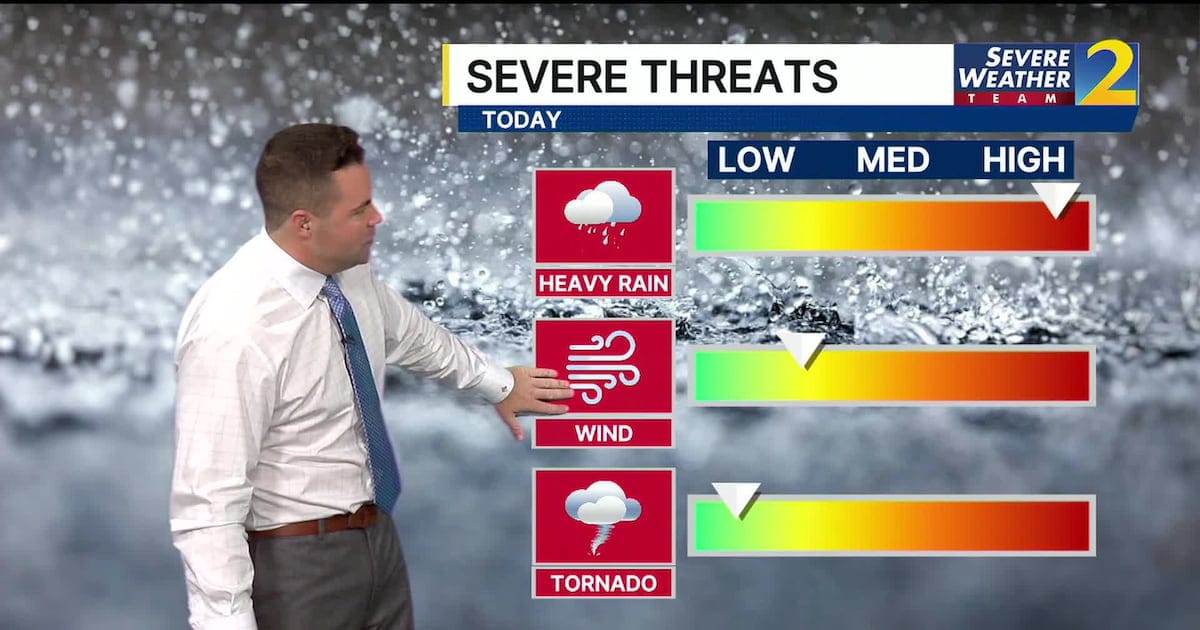
A confirmed tornado touched down northwest of Newnan, Georgia, on Saturday morning as a line of severe storms swept through North Georgia and the metro Atlanta area. The volatile weather system brought with it the risk of isolated strong to severe storms, with heavy rainfall and damaging wind gusts posing the main threats to residents.
The confirmation of the tornado highlights the dangerous conditions that unfolded across the region. Radar indicated the twister’s presence, prompting immediate alerts for affected areas. This event underscores the importance of staying weather-aware, particularly during periods of heightened storm activity.
Tornado Watch and Flood Warnings Issued
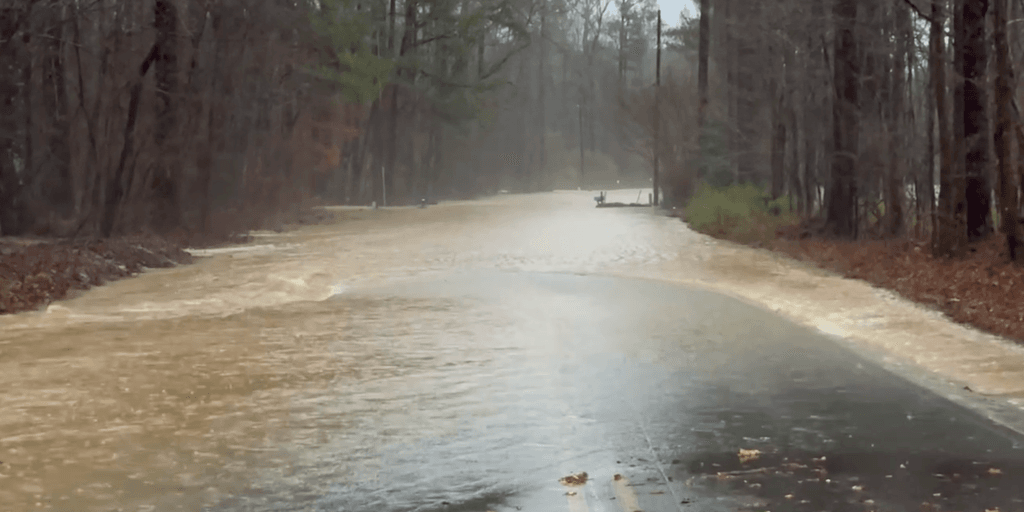
A tornado watch was in effect for several counties, including Meriwether County, signaling the potential for tornadoes to develop. Alongside the tornado threat, flash flood warnings and flood watches were issued, indicating a significant risk of rapid water level increases in rivers, streams, and urban areas. The National Weather Service warned that heavy rain could lead to dangerous flooding conditions.
The flood watch expanded into metro Atlanta, placing a large population under alert as the storm system approached. Forecasters advised residents to monitor weather updates closely and be prepared to take shelter if necessary. The combination of severe thunderstorms, tornadoes, and flash flooding created a multi-faceted weather threat.
Impacts Felt Across North Georgia
As storms traversed North Georgia and the metro Atlanta region on Saturday, various effects were felt by residents. Reports indicated that rain was causing power outages in several areas, disrupting daily life and potentially impacting emergency services. The widespread nature of the storms meant that the disruptions were not isolated but were experienced across a broad geographical area.
The intensity of the rainfall associated with these storms was a significant concern. Heavy downpours can quickly overwhelm drainage systems, leading to localized flooding even in areas not directly under a flood warning. The combination of wind and rain also heightened the risk of downed trees and power lines, further contributing to the outages.
The Nature of Severe Storms
Severe thunderstorms are complex weather phenomena characterized by intense atmospheric instability. They often form when warm, moist air rises rapidly into cooler, drier air in the upper atmosphere. This process, known as convection, can lead to the formation of towering cumulonimbus clouds, the hallmarks of thunderstorms.
Within these storms, powerful updrafts and downdrafts can create conditions ripe for severe weather. Damaging straight-line winds can occur when these downdrafts hit the ground and spread out horizontally at high speeds. The rotation within a thunderstorm’s updraft can, under the right conditions, lead to the formation of a tornado, a violently rotating column of air that extends from the cloud base to the ground.
Tornado Formation and Safety
Tornadoes are among nature’s most destructive forces. Their formation is often linked to supercell thunderstorms, which are rotating thunderstorms that can produce prolonged and intense tornadoes. The rotation, or mesocyclone, within a supercell can tighten and descend, eventually reaching the ground as a tornado.
Safety during a tornado threat is paramount. Experts advise seeking shelter in the lowest level of a sturdy building, such as a basement or storm cellar. Interior rooms on the lowest floor, away from windows, are also recommended. If outdoors or in a vehicle, finding a substantial building for shelter is the best option, as vehicles offer little protection from tornadoes.
Flash Flooding: A Silent Threat
Flash flooding occurs when heavy rainfall overwhelms the capacity of rivers, streams, and drainage systems, leading to rapid rises in water levels. Unlike river flooding, which can develop over hours or days, flash flooding can occur within minutes, leaving little time for evacuation.
Urban areas are particularly susceptible to flash flooding due to the prevalence of impervious surfaces like pavement and buildings, which prevent water from soaking into the ground. Runoff accumulates quickly, overwhelming storm drains and causing streets to become impassable waterways. The sheer force of moving water, even a few inches deep, can sweep away vehicles and individuals.
Preparing for Severe Weather
The National Weather Service and local emergency management agencies emphasize the importance of preparedness for severe weather events. This includes having multiple ways to receive weather alerts, such as a NOAA Weather Radio, smartphone apps, and local news broadcasts.
Developing a family emergency plan is also crucial. This plan should outline where to go for shelter during different types of severe weather and how family members will communicate if separated. Stocking an emergency kit with essential supplies like water, non-perishable food, a flashlight, batteries, and a first-aid kit can provide vital support during and after a storm.
Context: The Seasonality of Severe Weather in the South
The southeastern United States, including Georgia, is part of what is often referred to as “Dixie Alley,” a region known for its susceptibility to tornadoes and severe thunderstorms. Spring is typically the peak season for this type of weather in the South, though severe storms can occur at any time of year.
Factors contributing to this seasonality include the collision of warm, moist air from the Gulf of Mexico with cooler, drier air masses from the north and west. This atmospheric setup creates the instability necessary for the development of severe thunderstorms. The geography of the region, with its relatively flat terrain, also allows storm systems to move through with less impediment compared to mountainous areas.
Understanding these meteorological patterns helps explain why events like the one experienced on Saturday are not uncommon in this part of the country. It reinforces the need for constant vigilance and preparedness among residents in areas prone to severe weather. Staying informed about forecasts and heeding all warnings and watches issued by meteorological services is the most effective way to mitigate risks associated with these powerful natural events.