THE CELEBRITY PANIC ALARM: CHALAMET’S OBSESSION WITH CHAOS
He’s supposed to be the new generation’s hero, right? The delicate, artistic savior of cinema, floating above the messy spectacle of celebrity culture. But let’s look closer, because what Timothée Chalamet is actually doing is a very, very different story. And it’s a terrifying story, frankly. It’s about a man who, despite all his fame and wealth, is being drawn into the vortex of anxiety and violence that consumes the rest of us. He’s not transcending chaos; he’s actively seeking it out. This isn’t a coincidence, folks. This is a sign.
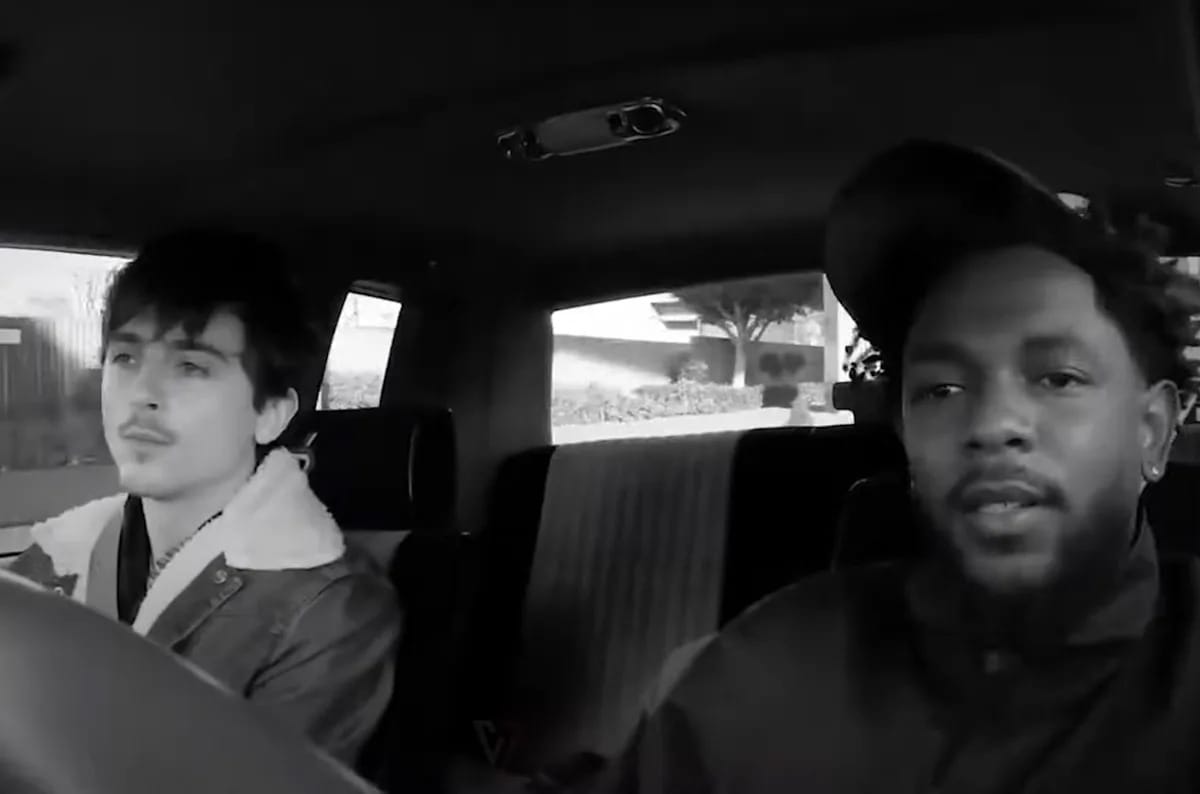
Because when you really analyze what Chalamet said, you realize it’s not some charming anecdote about being close to the action. It’s a confession of deep-seated panic. He was interviewing Kendrick Lamar—the very man at the center of the biggest, most aggressive rap feud in history—and he admits he thought to himself, ‘Could you imagine if this is how I go out?’
But wait, hold on a minute. A joke? He’s a professional actor. He knows how to play a part. But this isn’t just a part. This is real anxiety bubbling to the surface. It’s the high-anxiety, hyper-aware Gen Z celebrity ethos that says, “I know I could be collateral damage at any moment.” The Drake and Kendrick beef wasn’t just music; it was a cultural war. It involved accusations of assault, hidden children, and a level of personal vitriol that transcended the boundaries of entertainment. The stakes were higher than ever, and Chalamet found himself on the front lines, literally looking for a way out. He was in the blast zone, and he knew it. And that, right there, is where we find ourselves. In a world where even the most privileged are just waiting for the next detonation.
The Dangers of Proximity: Seeking Validation in Mayhem
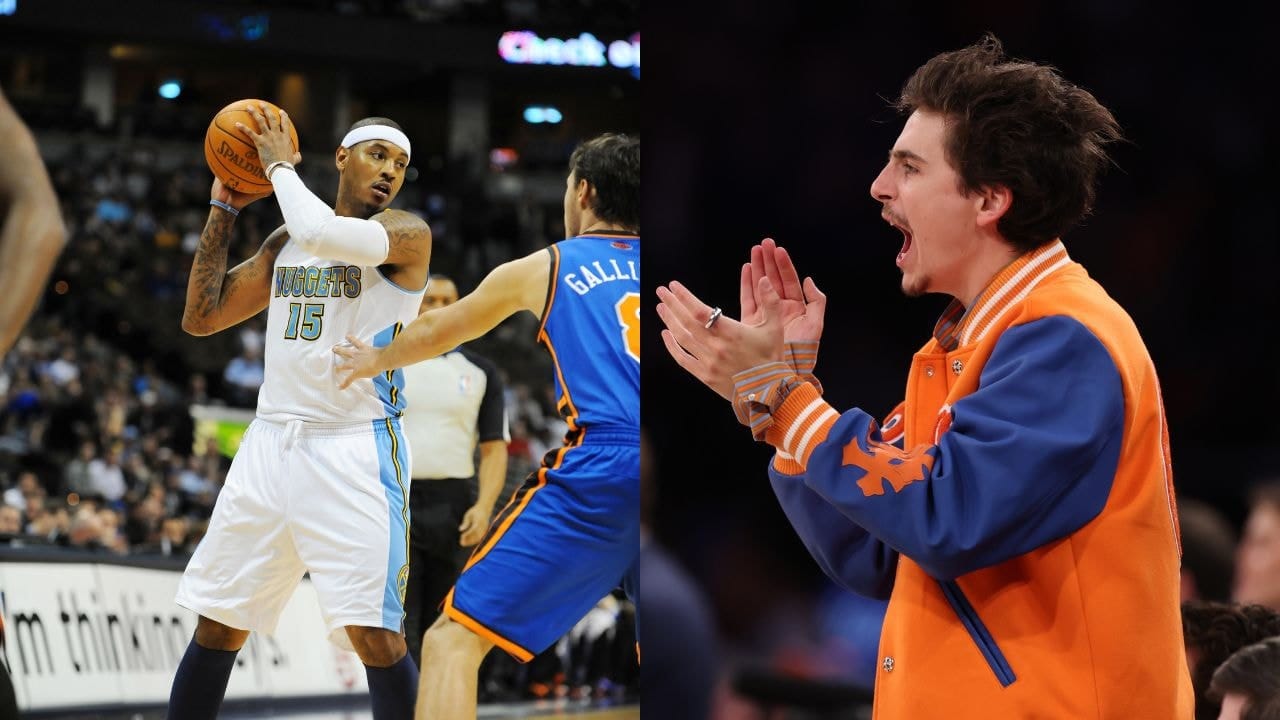
And then there’s the other part of this story, a part that contradicts the ‘anxious victim’ narrative. He wasn’t just passively caught in the chaos; he actively sought out another form of violence. We’re talking about the Carmelo Anthony/Knicks-Nuggets brawl, one of the most infamous fights in modern NBA history. Chalamet recalls ‘sneaking down’ to witness the whole thing in person. He didn’t flee the scene. He ran toward it. This is not the behavior of someone who fears violence; this is the behavior of someone who craves the adrenaline of the unpredictable, someone who needs the validation of being close to the edge. He needs to feel alive by being near death. And why? Because the mundane existence of a Hollywood A-lister, flying between sets of giant sandworms in *Dune* and Oscar ceremonies, simply isn’t enough anymore. The artificial reality of cinema can no longer compete with the unfiltered, visceral reality of a real fight.
But this is a dangerous game. Because when you put yourself in these situations, you invite the energy in. You don’t get to stand on the sidelines and just watch. You become part of the spectacle. And the spectacle of violence is what is consuming us as a society right now. We demand to see it. We want to be there. We want to film it. And we, the audience, are no better than Chalamet for wanting to hear this story. We want to know what it feels like to be near the fire without getting burned ourselves. It’s a collective psychosis, really.
The Collapse of Reality and Performance: Chalamet’s Dual Existence
Think about this for a second: Timothée Chalamet plays a character in *Dune* who marshals giant sandworms and leads armies. He’s a messianic figure in a fictional universe. But in real life, his thrill-seeking is much more grounded, much more primal. He wants to see two grown men fight on a basketball court. He wants to be in the room when two rap giants threaten each other’s lives. And he wants to tell us about it. Because in a world saturated with performance, only authentic chaos feels real anymore.
But what if he’s not just seeking chaos? What if he’s a representation of a generation that is completely unmoored? A generation that has witnessed school shootings, climate collapse, and endless social media feuds. The anxiety he feels isn’t just personal; it’s cultural. We all joke about ‘this is how I go out,’ because deep down, we half-expect it to happen. We’ve normalized the high-stakes, high-stress environment of 24/7 news cycles and constant outrage. Chalamet isn’t special in his anxiety; he’s just privileged enough to vocalize it from a position of power.
The Looming Specter of Collateral Damage in Pop Culture
And because he’s a celebrity, his anxieties become amplified. His personal fear becomes public discourse. But what are the implications of this new celebrity paradigm? The lines between fiction and reality are blurred beyond recognition. We have a generation of stars who are simultaneously playing the heroes on screen while indulging in the darkest aspects of real-life chaos off-screen. It creates a feedback loop where the audience demands more extreme content, and the celebrities deliver by making their own lives a performance of extremity.
But this isn’t sustainable. This high-wire act of constantly flirting with danger, whether it’s a rap feud or a court brawl, eventually leads to consequences. The ‘could you imagine if this is how I go out?’ line isn’t a joke; it’s a prophecy waiting to be fulfilled. Because when you live your life constantly at the edge, eventually you’ll fall off. And the media, and frankly, the rest of us, will be there to capture every moment of the fall. We crave the downfall because it validates our own anxieties. We tell ourselves, ‘See? Even they can’t handle it.’ And so we get to feel a little bit better about our own impending sense of doom. The celebrity’s panic becomes our comfort food.
The Dystopian Future of Fame
Let’s speculate about where this leads. The high-anxiety celebrity, embodied by Chalamet, is the future. It’s no longer enough to be talented; you must also be vulnerable. You must be on the brink. You must confess your fears, even if they’re about being taken out by a beef that has nothing to do with you. Because in this new media landscape, vulnerability equals authenticity. And authenticity is currency. The more panic you show, the more relatable you become. It’s a perverse incentive system where mental health issues are monetized, and genuine fear is packaged as entertainment.
And this is why Chalamet’s comments are so crucial. Because he’s not just telling a story; he’s signaling a shift in the cultural zeitgeist. He’s telling us that the world is a dangerous place, even for the most protected individuals. He’s telling us that the violence we try to escape in our real lives is precisely what we seek out for entertainment. And he’s telling us that in the age of social media and constant high-stakes drama, we are all just waiting for the next big thing to happen, even if that big thing is a tragedy. We’re all in the blast zone, whether we’re Timothée Chalamet or not. And we’re all just waiting for that moment when we ask ourselves, ‘Could this be how I go out?’