The Trojan Horse Schedule: What the SEC Is Really Hiding in Plain Sight
And so, they finally pulled back the curtain on the 2026 SEC football schedule. But when the dust settles, what we’re really seeing isn’t just a collection of dates; it’s a blueprint for a total power consolidation, and it’s time to stop looking at the schedule and start looking at the chess board. Because let’s be real, the SEC’s move to a nine-game conference schedule isn’t about giving fans more exciting games, though that’s the convenient public relations spin they want you to swallow whole. No, this is about money, control, and ensuring that the newly expanded College Football Playoff remains a high-stakes, high-revenue private club where the SEC holds the exclusive membership card.
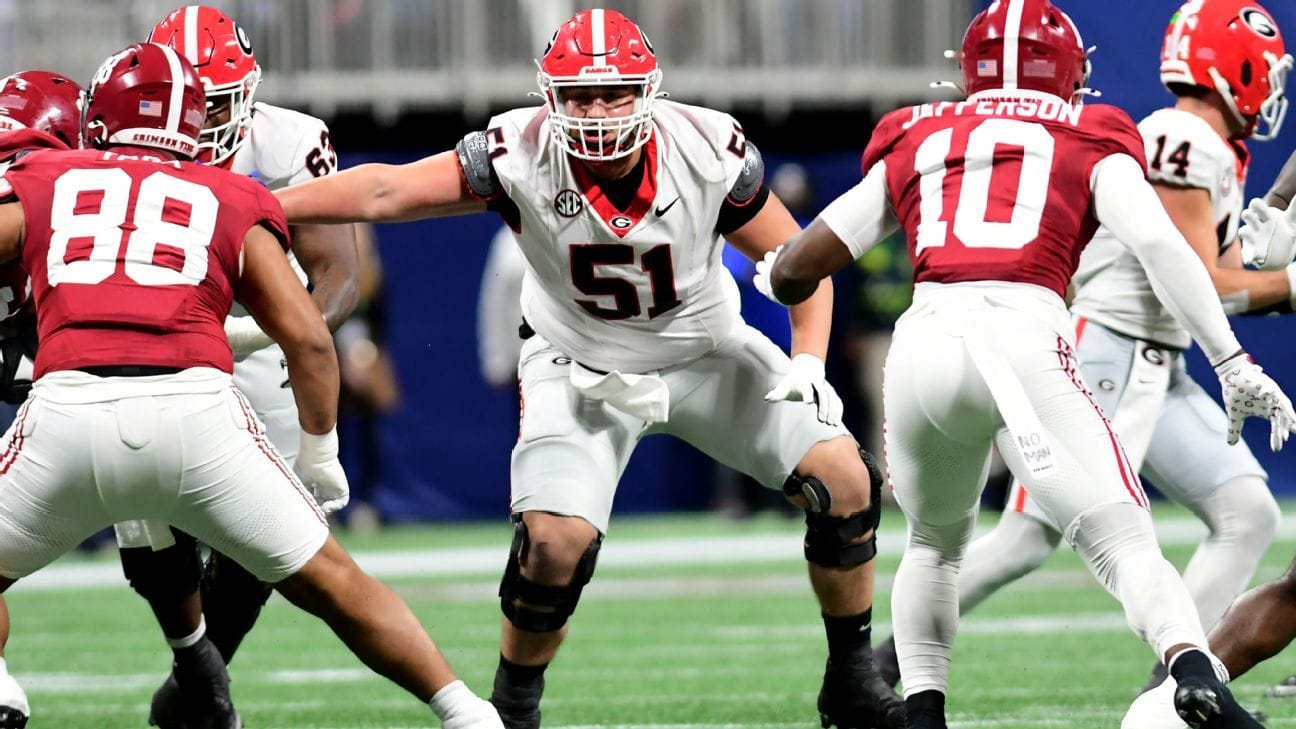
But let’s not get ahead of ourselves. The announcement itself—the unveiling of schedules for Arkansas, Mizzou, Georgia-Bama, LSU-Ole Miss, and every other member—is designed to be a distraction. They want you focused on the specific matchups, debating whether Texas or Oklahoma got the better draw in their first full year of conference play, or agonizing over how difficult Arkansas’ 2026 slate looks under Coach Silverfield, especially with a tough home schedule that includes a game against North Alabama before getting to the heart of the conference grind. It’s all a smokescreen. The real story here is the strategic maneuvering that led to this moment, and what it means for the very future of the sport.
The Myth of Parity and the Rise of the Super Conference
Because let’s face facts, the SEC’s expansion to 16 teams was never about cultural fit; it was about financial dominance. Bringing in Texas and Oklahoma wasn’t a nostalgic revival of rivalries; it was a calculated move to eliminate two major competitors from the Big 12 and corner the market on top-tier college football talent and media rights. When you look at the 2026 schedules, especially the shift to nine conference games, you realize they’ve effectively created a ‘super conference’ that will simply feed itself into the College Football Playoff every single year. They’ve essentially said, ‘We’re going to eat each other alive, and in doing so, we’ll prove we deserve more spots than anyone else.’ It’s a brilliant, cynical strategy.
And here’s where the whispers get louder: The nine-game schedule wasn’t a foregone conclusion. There was significant internal resistance. Several schools, particularly those that historically have struggled with recruiting depth, preferred to stick with the eight-game format. Why? Because an extra conference game means one less guaranteed victory against a low-level non-conference opponent. For schools like Mizzou, who rely on a strong early schedule to build momentum and get to a bowl game, this change introduces a significant amount of uncertainty. But the big money schools—Alabama, Georgia, LSU, and now Texas—pushed hard for the nine-game format because they know it increases their strength of schedule and, crucially, provides more high-value inventory for television networks like ESPN and ABC. This isn’t about fair competition; it’s about maximizing broadcast revenue, and the smaller schools simply didn’t have the leverage to stop it.
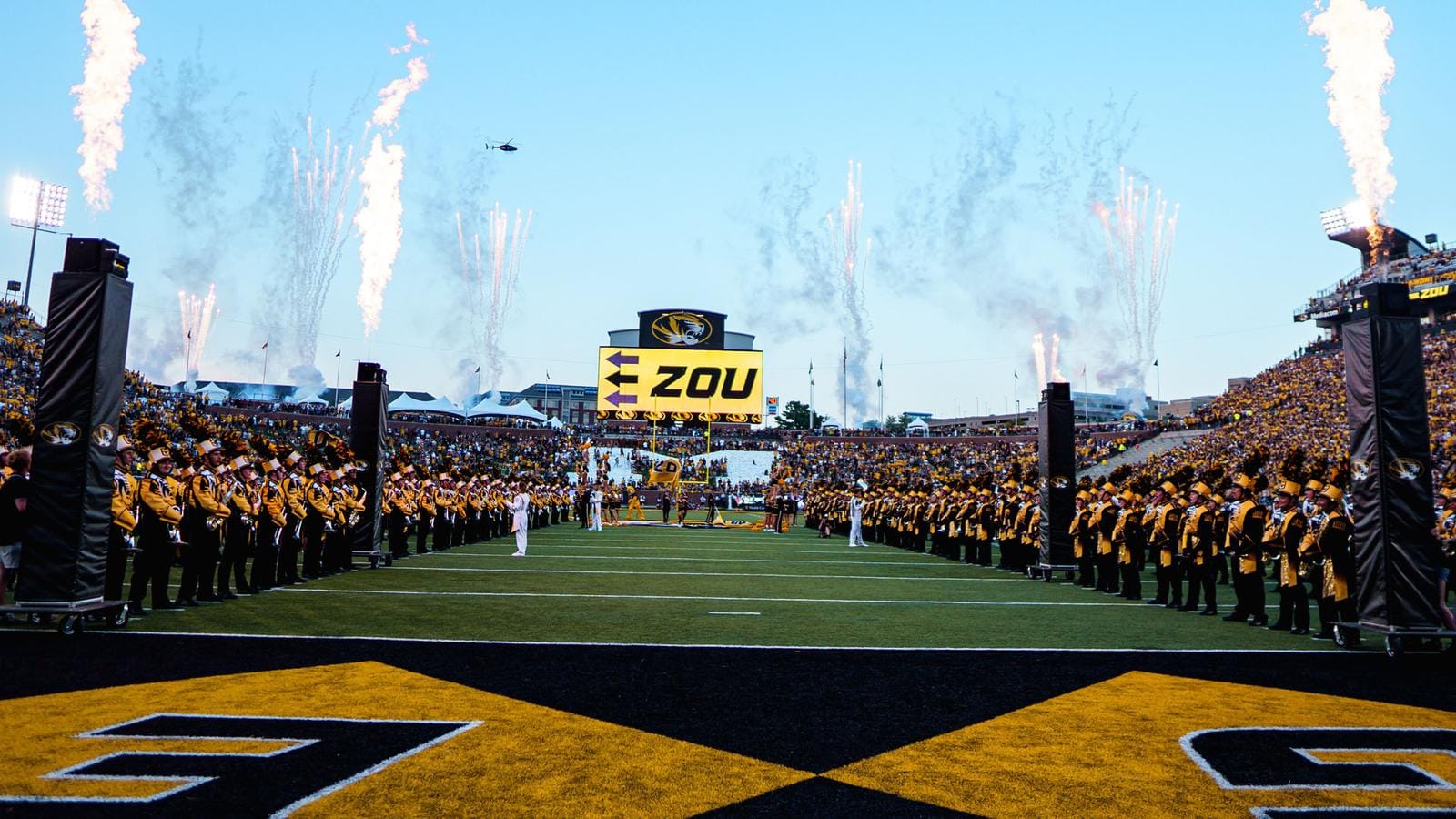
Mizzou’s 2026 schedule, for example, features Florida as its Homecoming game on October 3rd. While that might sound like a traditional rivalry matchup, in reality, it just highlights the new reality of the conference. Every single week is now a potential landmine. And while Arkansas gets a high-profile home opener against North Alabama, that’s just a warmup for a brutal slate. The days of padding your schedule with three easy home games before conference play starts are officially over for everyone, except maybe for a few select teams that still get a favorable non-conference setup.
The Hidden Agenda: A New Playoff Landscape
But let’s think bigger. The real endgame here is to manipulate the College Football Playoff selection process. With the new 12-team format looming, the SEC is positioning itself to be the only conference capable of getting more than two teams in a given year. If the SEC has five teams with 10-2 records because they’ve beaten each other up during a nine-game gauntlet, and every other conference champion has a similar record, the selection committee will inevitably prioritize the SEC’s ‘quality losses.’ It’s a brilliant piece of psychological manipulation.
Because let’s look at the history here. Commissioner Greg Sankey didn’t just stumble into this position of power; he actively built it. Since taking over from Mike Slive, Sankey has guided the conference through a period of immense change, from the rise of NIL to the transfer portal chaos. He’s maintained a firm grip on the league’s narrative and, crucially, its financial future. This 9-game schedule is simply the latest, most visible piece of his long-term plan to ensure the SEC remains financially dominant and culturally superior to every other conference in the nation. He’s not just a commissioner; he’s a visionary with a slightly sinister streak, and he plays chess while everyone else plays checkers. He understands that in the new landscape of college sports, if you control the schedule, you control the narrative, and if you control the narrative, you control the money.
Future Shock: The End of Traditional Rivalries
And let’s not ignore the casualties of this new system. The old rivalries, the ones that gave college football its soul, are slowly being sacrificed on the altar of television revenue. The move to a nine-game schedule, coupled with the initial resistance to implementing a rotating pod system, means that many traditional rivalries will now only happen once every few years. The Texas vs. Texas A&M rivalry is a prime example of a historical grudge match that was dormant for years and is now being forced back together. But for teams like Arkansas, which has a long history with Texas, or even Mizzou, which has traditional ties to the Big 12, the new structure creates new rivalries while diminishing old ones. It’s a calculated decision to prioritize the biggest TV markets and most profitable matchups, regardless of historical significance. They’re telling fans: ‘Forget about tradition; embrace the spectacle.’ And because we, the fans, are addicted to the spectacle, we’re slowly accepting it.
Because while everyone loves the idea of more high-stakes football games, the reality is that this new schedule puts immense pressure on coaches and recruiting. The margin for error shrinks significantly. A coach like Ryan Silverfield at Arkansas will face immediate scrutiny if he doesn’t produce results quickly against a schedule that, frankly, doesn’t offer many breathers. Every single conference game is a potential trap, and in the high-stakes, instant-gratification world of college football, one bad season in this new SEC landscape can cost a coach his job. The pressure cooker just got turned up to maximum heat, and the smaller schools are the ones feeling the most heat, forced to compete with the big boys on an even tougher schedule. It’s a high-stakes gamble, and the only guaranteed winner is the SEC itself, along with its broadcast partners who get a guaranteed slate of blockbuster games week after blockbuster games. This isn’t just a schedule; it’s a statement that the SEC is ready to run college football, and everyone else is just along for the ride.
The Insider Whisper: Revenue Sharing and Future Expansion
And here’s the inside whisper that’s barely being discussed: The 2026 schedule is just a prelude to the eventual revenue sharing model that will emerge from this new structure. The bigger schools, the ones driving the nine-game schedule, will eventually demand a larger share of the pie, arguing that their brand recognition and performance are generating more revenue for the conference. This schedule change, and the ensuing playoff dominance, gives them the leverage they need to make that demand. So when you see those dates for Georgia-Bama or LSU-Ole Miss in 2026, don’t just see a football game; see the future of college sports being rewritten, where a few conferences control everything and everyone else is just fighting for scraps. It’s a stark new reality, and the SEC just showed us exactly how they plan to dominate it.
Because in the end, college sports are no longer just sports; they are multi-billion-dollar entertainment conglomerates. And like any good conglomerate, the SEC is making sure its competition is eliminated, its profits maximized, and its control solidified. This schedule announcement is just the public face of that strategy. But look closer, listen carefully, and you’ll hear the faint sound of the walls closing in on everyone outside the SEC.