The Anatomy of a Feel-Good Story
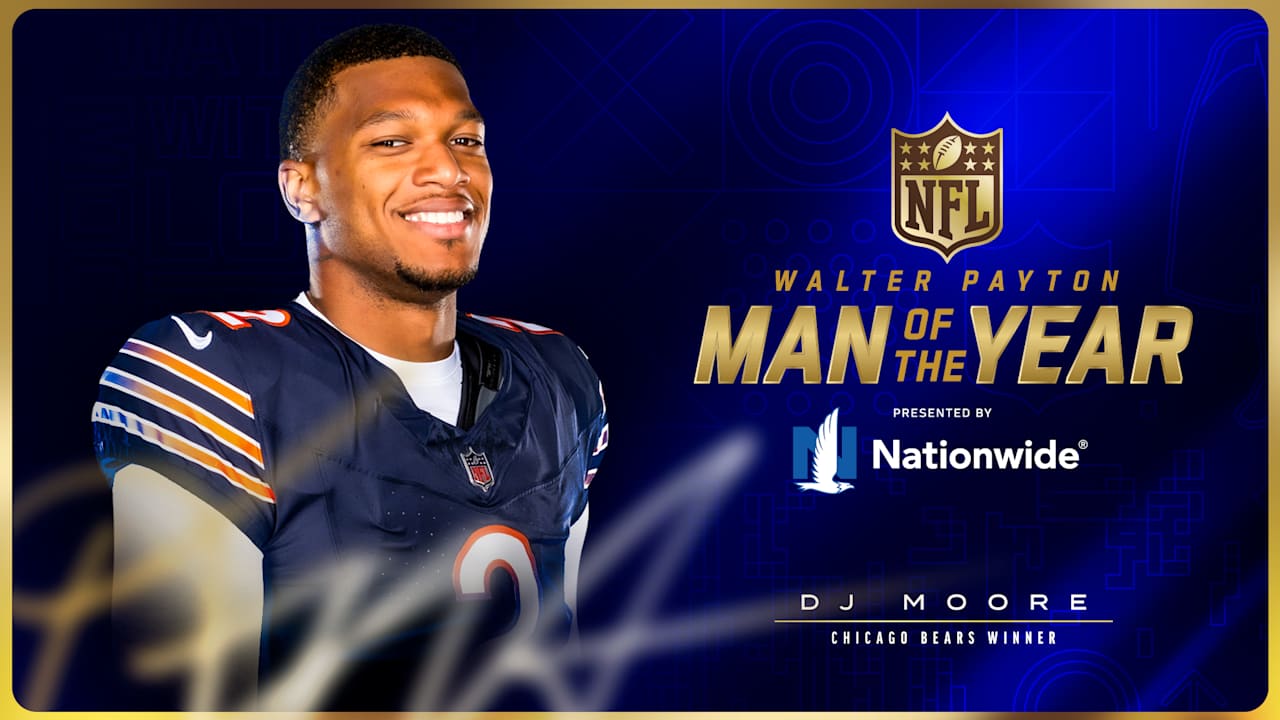
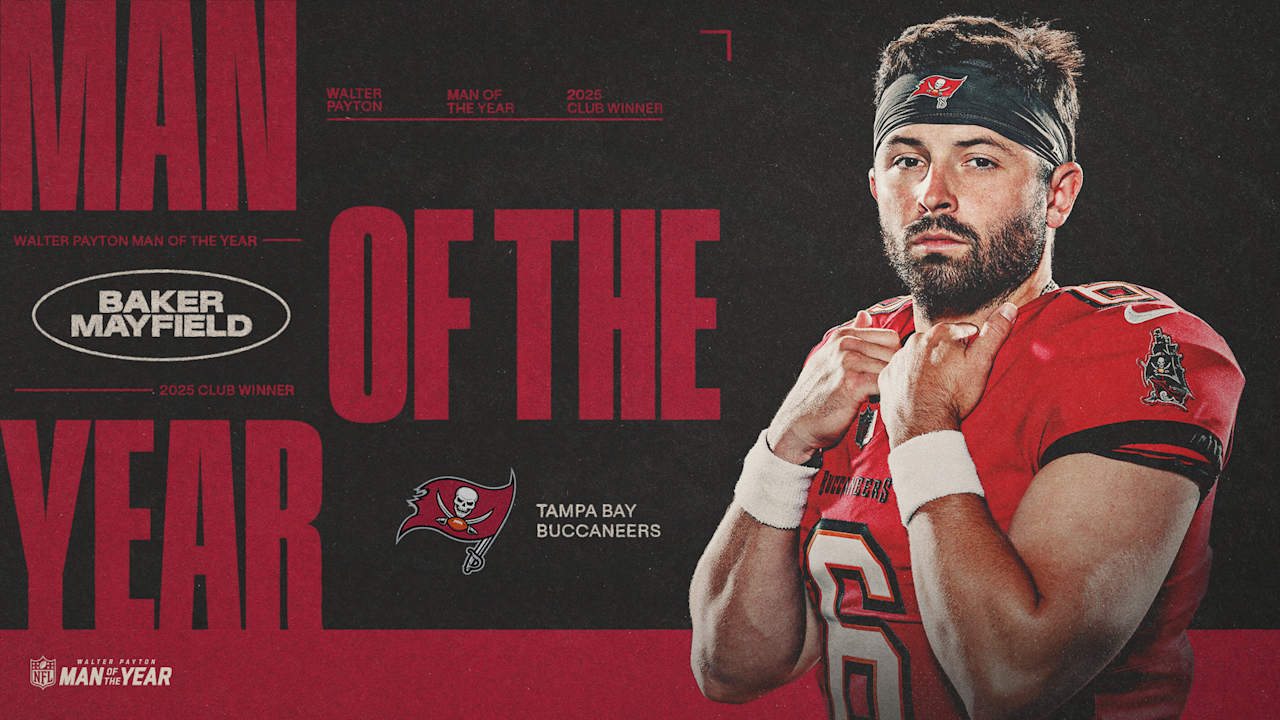
And so it begins again. The annual parade of virtue, meticulously curated and presented for our consumption. The Detroit Lions have selected DJ Reader. The Buccaneers, Baker Mayfield. The Bears, DJ Moore. Each man is now his team’s designated saint, the club winner for the Walter Payton NFL Man of the Year Award, presented, of course, by Nationwide. The press releases are warm. The stories are heartwarming. Foundations are mentioned, checks are displayed, and for a fleeting moment, the NFL gets to wrap itself in a cloak of unimpeachable morality. It’s a beautiful picture. Almost too beautiful.
But let’s pull back the curtain, shall we? Let’s apply a bit of pressure to this flawless narrative and see what stress fractures appear. The first, and most glaring, is the very structure of the award itself. One nominee per team. Thirty-two nominees, every single year, like clockwork. Does this not strike anyone as odd? Are we to believe that virtue is so evenly distributed across the league that every single franchise just happens to have one, and only one, player worthy of this high honor each season? It feels less like a meritocracy of character and more like a mandated quota system for public relations. It’s a participation trophy for philanthropy. The system doesn’t seek to find the *most* charitable man in the league; it seeks to ensure every team has a charitable story to tell. Why? Because a story from the Lions, the Bucs, and the Bears sells more jerseys, more tickets, and more insurance policies in Detroit, Tampa, and Chicago than a single story about one superlative individual ever could.
A Quota for Halos
This isn’t an award; it’s a marketing strategy. A decentralized, 32-pronged annual campaign to inoculate the brand against the endless barrage of negative press it so richly deserves. Think about the timing. This award cycle conveniently ramps up as the regular season winds down, just before the playoffs, dominating a news cycle that might otherwise be filled with talk of devastating injuries, coaching meltdowns, or the latest off-field transgression. It’s a tactical deployment of goodwill. A pre-emptive strike of positivity. Baker Mayfield has had a career of highs and lows, a journeyman quarterback who found a home. Now he’s not just a QB; he’s a humanitarian. DJ Reader is a dominant force on the defensive line, a run-stuffer. Now, he’s a community pillar. These are not mutually exclusive truths, but isn’t it convenient how the latter is amplified to serve the league’s purposes? The players and their genuine efforts are secondary. They are instruments. Their good deeds are harvested and processed into brand-safe content, a shield to deflect criticism. It’s a brilliant, if deeply cynical, machine.
Look at the language: “club winner.” This small phrase reveals everything. The club, the multi-billion dollar franchise, is the entity doing the selecting. They are crowning their own champion of character. Do they pick the most effective philanthropist or the most marketable one? The one whose story polls best? The one who already has a polished foundation and a ready-made narrative that can be easily packaged for a thirty-second TV spot? These are not questions meant to impugn the character of the players nominated. Let’s assume, for the sake of argument, that every single one of them is a legitimate force for good. The issue isn’t the individual; it’s the system that commodifies their altruism. The NFL has created a marketplace for morality, and the price of entry is a nomination that serves the league first, and the cause second.
The Corporate Symbiosis
You cannot analyze this award without dissecting the five words that always follow its name: “Presented by Nationwide.” This isn’t just a sponsorship; it’s a statement of purpose. Nationwide is not a charity. It is a titanic, for-profit insurance corporation. Their involvement is a calculated business decision, an investment in what marketers call “moral adjacency.” By plastering their name all over the NFL’s premier award for good character, they purchase a halo effect. They associate their brand not with the brutal, concussion-filled reality of the sport, but with its sanitized, charitable alter ego. The slogan “Nationwide is on your side” is given a powerful, emotional underpinning that no standard commercial could ever achieve.
What is the return on investment for this sponsorship? It’s incalculable and yet immense. Every time a local news station runs a piece on DJ Moore’s Moore2Life foundation, the Nationwide logo is there. Every time an announcer mentions the Walter Payton Award during a broadcast, Nationwide gets a mention. They are buying goodwill on an industrial scale. The money donated—$255,000 to the winner’s charity, and smaller amounts to nominees—is a pittance for a company with billions in revenue. It is, quite literally, a rounding error in their marketing budget. But its impact is magnified a thousand-fold by the NFL’s colossal media platform. They aren’t just donating money; they are funding a narrative in which they are the benevolent patrons. It’s the most effective form of advertising imaginable because it doesn’t look like advertising at all.
The Business of Giving
This entire structure is a masterclass in modern corporate social responsibility, which is to say, it’s a masterclass in public relations. The NFL, a league constantly grappling with its image problem—from brain trauma and domestic violence to contentious labor disputes—gets to outsource its moral credibility. They can point to the 32 nominees and say, “See? We are a force for good.” Nationwide gets to launder its corporate image through the feel-good stories of individual players. And the player foundations? They get a welcome infusion of cash and publicity, but at what cost? They become cogs in a machine designed to protect the interests of two corporate behemoths. Their deeply personal causes are transformed into talking points in a league-wide branding exercise.
Does anyone truly believe this is about maximizing social impact? If the NFL and Nationwide truly wanted to effect the most change, would they structure it this way? Would they give one grand prize and a series of consolation prizes? Or would they pool their resources and attack a single problem with overwhelming force? Of course not. That wouldn’t serve the marketing objective. The goal is not to solve a problem. The goal is to be *seen* solving problems. Thirty-two different problems, in thirty-two different markets, ensuring maximum media penetration. It’s a shotgun blast of positivity, designed for breadth, not depth. It’s about generating 32 local news stories, not one national solution.
The Payton Paradox
And then there is the ghost in the machine: Walter Payton. “Sweetness.” A man whose legacy is built on a ferocious playing style and, by all accounts, a genuine and profound commitment to others. His name is the bedrock upon which this entire artifice is built. It is the ultimate moral shield. Who could possibly critique an award named after Walter Payton? To do so feels sacrilegious, like questioning the very idea of goodness in the sport. This is not an accident. It’s a strategic masterstroke. By tethering this annual PR campaign to the unimpeachable legacy of a beloved hall-of-famer, the NFL has made it almost bulletproof.
Herein lies the paradox. The award uses the memory of a man celebrated for his substance to promote a campaign that is, at its core, about image. It co-opts a legacy of genuine grit and humanity and uses it to sell insurance and gloss over the league’s systemic failings. What would Payton himself think of this elaborate construction? A man who simply did the work, often without fanfare. Would he recognize his own ethos in this polished, corporate-sponsored spectacle? Would he be comfortable with his name being used as the primary brand asset in a reputation-laundering scheme? One has to wonder.
The Final Calculation
So when you see the stories about Reader, Mayfield, and Moore, by all means, appreciate the work they do. Their efforts are likely real and their intentions noble. But do not mistake the story for the reality. The reality is that the Walter Payton Man of the Year Award is a tool. It is perhaps the single most effective piece of public relations propaganda in all of modern sports. It provides a seasonal cleansing, a ritualistic washing of hands that allows the league, its owners, its sponsors, and its fans to feel good about themselves before the brutal business of the playoffs begins anew. It is a beautifully designed, perfectly executed illusion. And its greatest success is that, year after year, almost everyone falls for it. It’s not about man of the year. It’s about brand of the year. And the brand always wins.