The Coronation No One Asked For
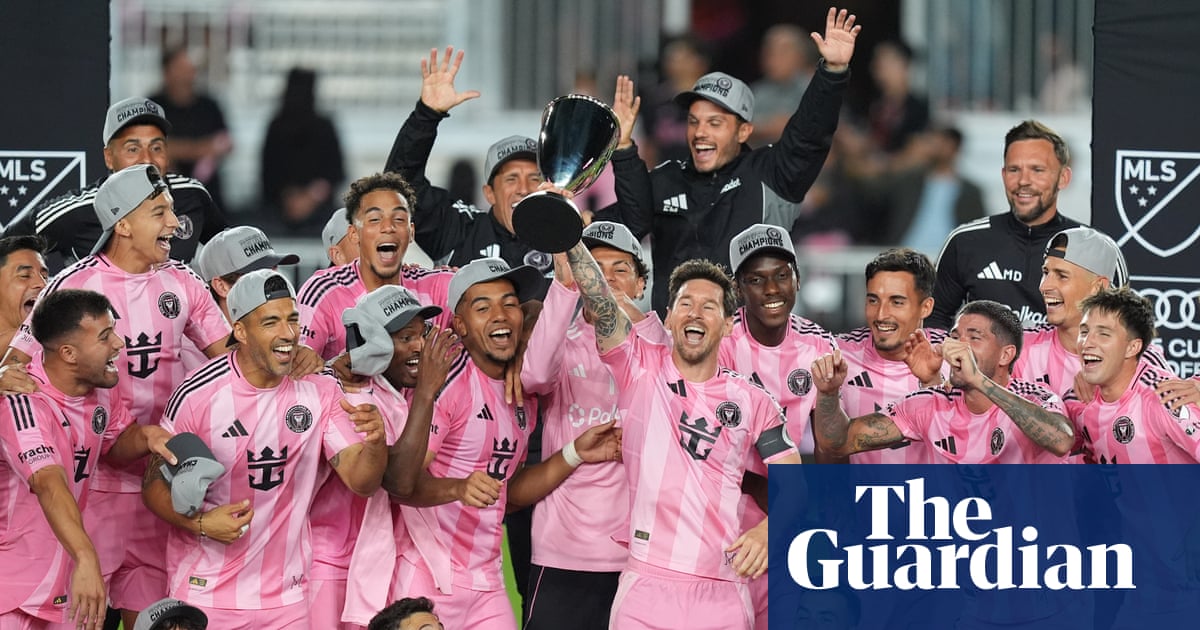
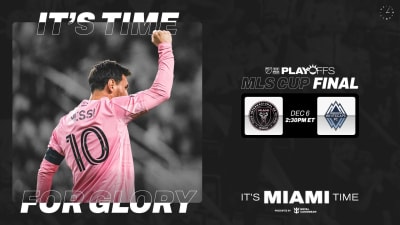
So, here we are. The moment the league office, the marketing gurus at Apple, and every fair-weather fan has been dreaming of since the ink dried on that ridiculously convoluted contract. Inter Miami is in the MLS Cup Final. Stop the presses. A team magically stuffed with some of the most decorated players of a generation, who just happened to be best friends, is going to play for a trophy. What an underdog story. It’s a fairy tale written by accountants and public relations executives, a story so meticulously planned and executed that it almost makes you forget that sports are supposed to be about, you know, competition.
Let’s not kid ourselves. This wasn’t earned in the trenches of a grueling MLS season; it was purchased. It was assembled in a boardroom with the same cold, calculated precision as a new iPhone release. You get Messi. Then you get Busquets. Then you get Alba. You bring in a familiar coach. You create a hermetically sealed bubble of Barcelona circa 2015 and drop it into South Florida, and then you act shocked—shocked!—when it dominates teams built on a budget that probably wouldn’t cover Messi’s image rights for a weekend. The 5-1 thrashing of NYCFC wasn’t a conference final; it was a glorified exhibition. It was a heavyweight beating up a middle schooler and then flexing for the cameras. And we’re all just supposed to clap along like trained seals because the GOAT is here.
The Last Stand of Real Soccer
And who stands in the way of this inevitable, pre-ordained coronation? The Vancouver Whitecaps. God bless ’em. The Whitecaps are everything this new, plastic version of MLS despises. They are a team forged in the crucible of authentic North American soccer challenges. They travel thousands of miles for road games, play on turf in a city where it rains (a lot), and are built with a collection of guys who had to actually fight for their roster spots, not just answer a phone call from an old buddy. They represent the league that so many of us grew up with—a league of parity, of struggle, of weird and wonderful teams from places not typically considered global soccer hubs. They are the working class, the grinders, the guys who punch the clock. They are, in essence, the last bastion of what MLS was supposed to be before it sold its soul for a subscription service.
This final isn’t Inter Miami vs. Vancouver. It’s The Corporation vs. The Collective. It’s a marketing campaign versus a soccer team. Every single narrative you will hear from the league’s broadcast partners will be about Messi’s quest, Messi’s magic, Messi’s final chapter. They will conveniently ignore the fact that this team was a laughingstock before the private jets from Europe landed. They will brush past the roster rules that suddenly became… flexible. They will ignore the years of hard work and clever team-building that teams like Vancouver (and Seattle, and Portland, and Kansas City) have put in to build a legitimate soccer culture from the ground up, not from the top down with a tidal wave of cash.
The Poisoned Chalice of ‘Growth’
They call this “growth.” They point to the TV ratings and the jersey sales and the sold-out stadiums (many of which were already sold-out, by the way) as proof that this is all for the greater good. But what good is it? Is the league truly better if one team is handed a pre-packaged set of legends while others are forced to adhere to a salary cap that now seems more like a polite suggestion? Is the competition more compelling when the outcome feels pre-determined? The old MLS, for all its faults, had an incredible sense of unpredictability. Any team could win on any given day. That was its charm. That was its identity. Now, the league’s identity is just one man. One brand.
What happens next year? Or the year after? Does every owner now need to find their own aging European superstar to even have a prayer? The LA Galaxy already tried this model years ago with Beckham (oh, the irony) and while it brought eyeballs, it created a league of haves and have-nots that took years to rebalance. This is that same model, but injected with a dose of growth hormones so potent it’s barely recognizable. It’s an arms race, and the only winners are the billionaires and the broadcast partners. The losers? The fans in cities like Vancouver, Columbus, or Salt Lake, whose loyalty and passion are now being rendered obsolete by a checkbook.
This isn’t just about one game. It’s about the very soul of the sport in this country. Are we building a real, sustainable, competitive league, or are we building a traveling circus designed to entertain casuals for a few years before the main attraction retires? (And you can bet your life savings that Busquets and Alba aren’t sticking around once their pal hangs it up). The celebration of Inter Miami’s “success” is a celebration of the death of parity. It’s cheering for the monopoly. It’s rooting for Goliath.
So when you tune into the MLS Cup Final, remember what you’re watching. You’re not watching a simple championship game. You’re watching a battle for the future. On one side, you have the manufactured, sterile, corporate-approved product. On the other, you have a real team. A team from a real city with real fans who have been there long before the Apple TV deal. A team that represents the struggle. For the sake of soccer, let’s hope the struggle wins. It probably won’t. But damn it, we can hope.