The Great Cosmic Distraction: Why They Want You to Stare at the Sky While the World Burns
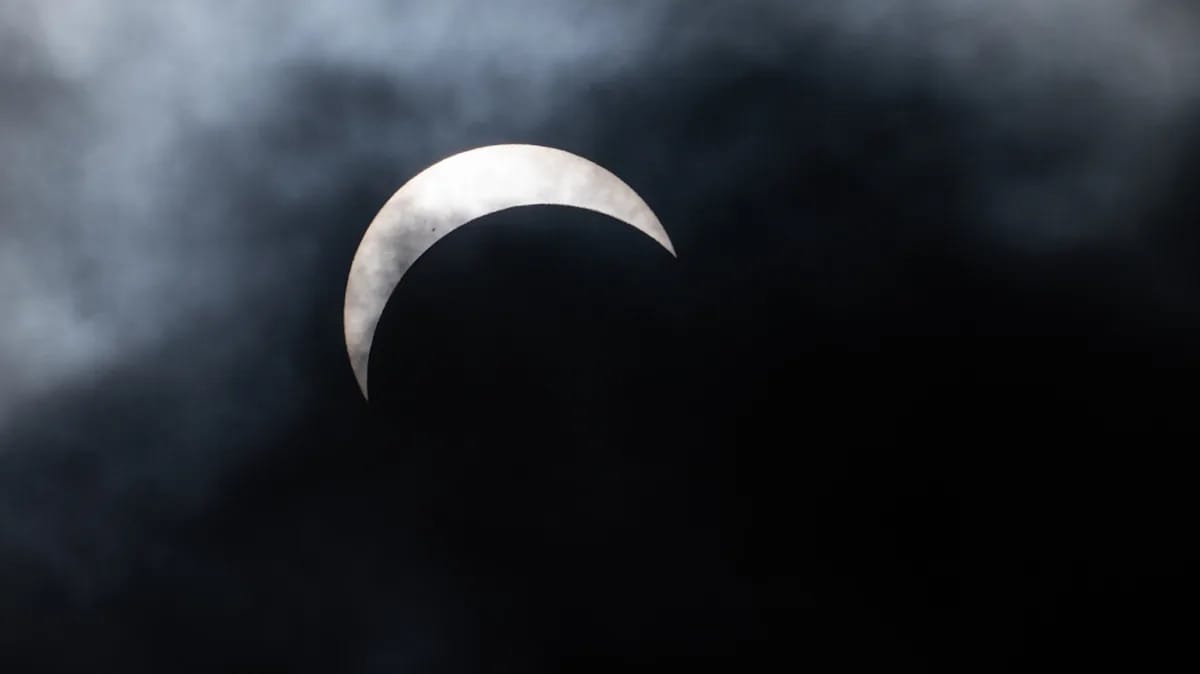
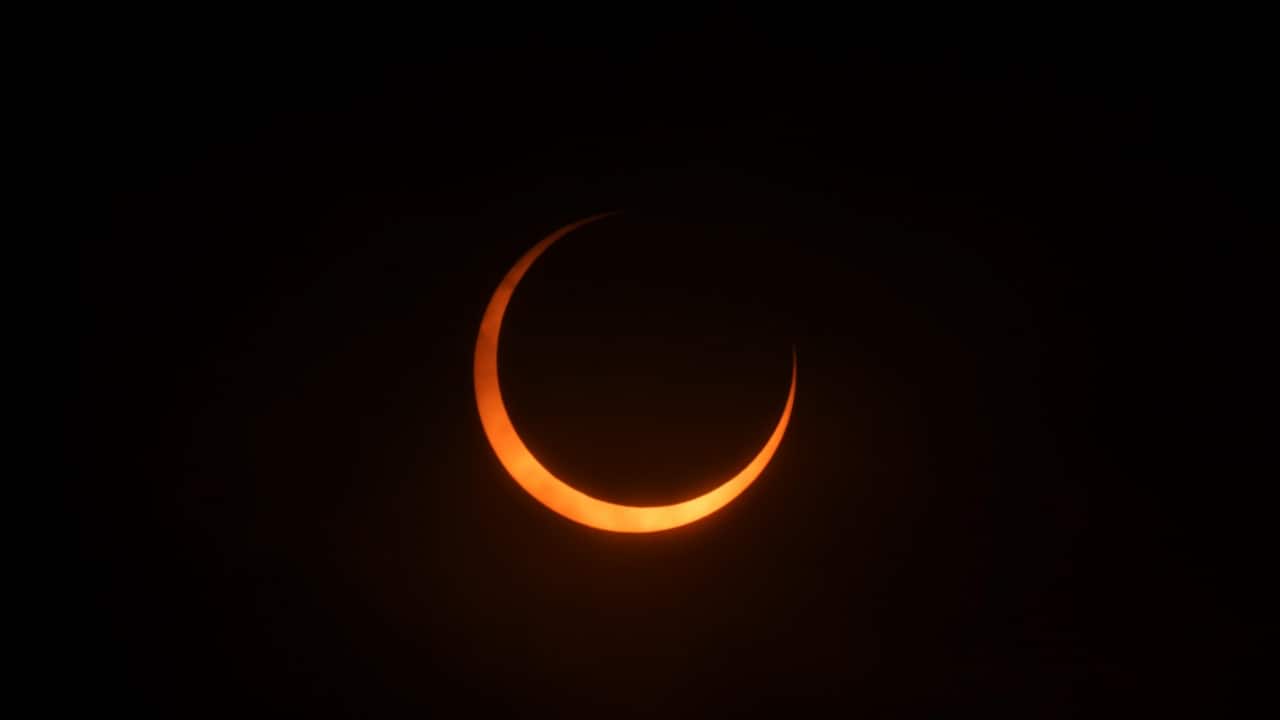
Let’s talk about the ‘Eclipse of the Century,’ shall we? The media machine is already kicking into high gear, breathlessly shilling for an event that is, at its core, nothing more than a shadow passing over the Earth. We’re told to be excited about August 2027, when a total solar eclipse will bless certain parts of the globe with up to six minutes of darkness. Six minutes. Meanwhile, the planet is on fire, economies are collapsing, and governments are more interested in surveillance than in actually governing, but hey, look at the moon! It’s a classic misdirection play, straight from the establishment’s playbook, designed to keep us mesmerized and compliant while they continue to loot everything that isn’t bolted down.
They present this celestial event as some kind of spiritual, once-in-a-lifetime phenomenon, completely ignoring the fact that total solar eclipses happen, on average, every 18 months somewhere on Earth. The 2024 eclipse over North America was hyped as the greatest show on Earth, and now we’re supposed to believe that this new one, which lasts a couple of minutes longer, somehow trumps it, justifying thousands of dollars in travel and accommodation costs for a glimpse of something ancient people found terrifying.
The Hype Train and the Time-Wasting Industry
Let’s break down the numbers. The April 2024 eclipse lasted a respectable 4 minutes and 28 seconds at its maximum. The upcoming 2027 event is projected to hit around 6 minutes and 20 seconds, maybe even slightly longer in a very specific location. So, we’re talking about an extra two minutes of darkness. Two minutes. Are you really telling me that two extra minutes of a shadow justifies the hysterical level of coverage and the insane amount of resources being poured into turning this natural phenomenon into a multi-billion dollar tourism bonanza? It feels less like scientific curiosity and more like a carefully orchestrated corporate campaign to sell plane tickets and overpriced hotel rooms in places like Spain, Egypt, and Saudi Arabia, locations that just happen to be major tourism hubs already, and coincidentally, have economies heavily reliant on keeping the foreign money flowing.
It’s the same old story. Find something beautiful and natural, put a price tag on it, and then convince everyone they can’t live without experiencing it. The media, which should be holding power to account, instead acts as a glorified marketing arm for the travel industry, creating FOMO (Fear Of Missing Out) on a cosmic scale. They want you focused on the pretty little light show, on scheduling your viewing party and buying your eclipse glasses, rather than focusing on the fact that your rent just went up 15% or that the political landscape in half the world is teetering on the edge of collapse.
This isn’t just about a couple of minutes of extra darkness; it’s about the erosion of critical thinking. The constant barrage of manufactured spectacles, from royal weddings to sporting events to celestial phenomena, serves one primary purpose: distraction. When people are busy looking up, they aren’t looking at the fine print on new legislation or asking why their elected officials keep getting richer while everyone else struggles to keep up with inflation. The very idea that we need to stop everything and look at the sky for six minutes while the world burns is a testament to how effectively we’ve been conditioned to prioritize spectacle over substance.
History Repeats: From Terrifying Omen to Tourist Attraction
Throughout history, eclipses were terrifying. They were omens of doom, signals from the gods that something was terribly wrong. Ancient civilizations didn’t plan viewing parties; they panicked, believing the gods were angry or that a great beast was swallowing the sun. They saw the disruption of the natural order as a reflection of chaos in the human world. And maybe, just maybe, they had it right. The modern, sanitized view of an eclipse—the one where we all take selfies with special glasses and talk about scientific predictability—strips away the inherent danger and power of the event. It pacifies us. It makes us believe that everything is under control, that we’re simply watching a predictable show rather than witnessing a temporary failure of the system that governs our reality.
The establishment wants us to forget the historical context where an eclipse meant change, disruption, and sometimes, revolution. They want us to treat it like a theme park ride, a curated experience, rather than a powerful reminder of our insignificance in the universe. The transition from a terrifying omen to a tourist attraction reflects our shift from a society deeply connected to the natural world, to one entirely consumed by commercialism and pre-packaged experiences. We’ve become so detached from real life that we need an advertisement to tell us when to look at the sky, and another one to tell us where to stay while we do it.
The Real Shadow: Commercialization and Climate Collapse
Let’s talk about where this eclipse will be visible. The path of totality crosses North Africa and the Middle East, specifically touching down on Egypt and Saudi Arabia. These are regions that are already grappling with intense political instability, resource scarcity, and climate-induced migrations. The irony of thousands of tourists flying in to watch a shadow in a region where people struggle with literal shadows of war and economic hardship cannot be overstated. The carbon footprint of all those flights, just so people can see two extra minutes of darkness, directly contributes to the climate change that is already devastating these very regions. We are literally burning the planet to watch a shadow.
The media refuses to acknowledge this contradiction. They focus on the ‘awe’ factor while ignoring the material reality of the people living in the path of totality. It’s a perfect microcosm of global inequality. The rich travel to witness a spectacle, while the poor suffer the consequences of the spectacle’s creation. The very idea of an ‘Eclipse of the Century’ is inherently elitist; it assumes that everyone has the time and resources to chase this spectacle across continents, when the vast majority of the world is just trying to survive the next week.
And let’s not forget the corporate angle. The hype surrounding this event will no doubt be used to further justify space exploration and corporate ventures like space tourism. The eclipse is just another data point in the larger narrative that space is the next frontier for commercial exploitation. While we look at the pretty moon, billionaires are planning how to turn it into a luxury resort. It’s all interconnected, a web of distraction and exploitation designed to keep the masses docile while the elite plan their escape from the very problems they created down here on Earth.
The Next Big Thing: What Are We Ignoring Now?
So, what exactly are we ignoring by fixating on this upcoming eclipse? We’re ignoring the continuing fallout from the 2024 election cycle, the escalating conflicts in Eastern Europe and the Middle East, the accelerating automation of jobs, and the fact that basic necessities are becoming unaffordable for working families in most Western nations. The media’s focus on a celestial event—a phenomenon that has zero bearing on our daily lives—is a deliberate choice. It’s not just news; it’s a social engineering tool. The more time we spend looking at things that don’t matter, the less time we spend challenging the things that truly do.
The ‘Angry Rebel’ persona isn’t just about yelling; it’s about seeing through the carefully constructed narratives presented by the establishment. The 2027 eclipse hype is a perfect example of a narrative designed to control attention and divert energy. They want us to believe that the most important thing happening in 2027 is a shadow, when the reality is far more terrifying. The real danger isn’t the moon blocking the sun; it’s us allowing our vision to be blocked by the media, rendering us incapable of seeing the real crises unfolding right in front of our faces. Don’t fall for the hype. Look at the shadows, but look at the ones cast by greed and on society, not just the ones in the sky.
We are told that a 6-minute eclipse is rare. The ‘Eclipse of the Century,’ they call it. But what about the rarity of a functioning democracy? What about the rarity of having affordable housing? What about the rarity of actually holding corporate criminals accountable? These are the real anomalies we should be focused on. But no, we’re told to buy expensive glasses and book a flight, because the ‘experience’ is everything. The experience of being told what to think, when to look, and how to feel.
The Path of Totality as a Metaphor for Division
The path of totality—the narrow strip where the total eclipse is visible—is a perfect metaphor for the increasing division in the world. Only a small, privileged portion of the globe gets to see the full spectacle, while everyone else gets a partial view or none at all. This creates a hierarchy of experience, where those who can afford to be in the right place at the right time are deemed superior. It further reinforces the idea that true experiences are only accessible to those with money, creating resentment and deepening the class divide. It’s a subtle form of control; by making certain experiences exclusive, they normalize the idea of scarcity and inequality. The eclipse becomes a symbol of what you can’t have unless you buy in.
So, when you see those headlines in 2027, remember this: the darkness on Earth will only last a few minutes, but the darkness in our society—the darkness of corruption, greed, and indifference—is lasting far longer. And they’re using that little shadow in the sky as a cover. Don’t be fooled. Look beyond the spectacle, see the manipulation, and don’t let them tell you what to look at.