The Perfect Storm: Suburbia’s Fatal Flaw Returns to Netflix
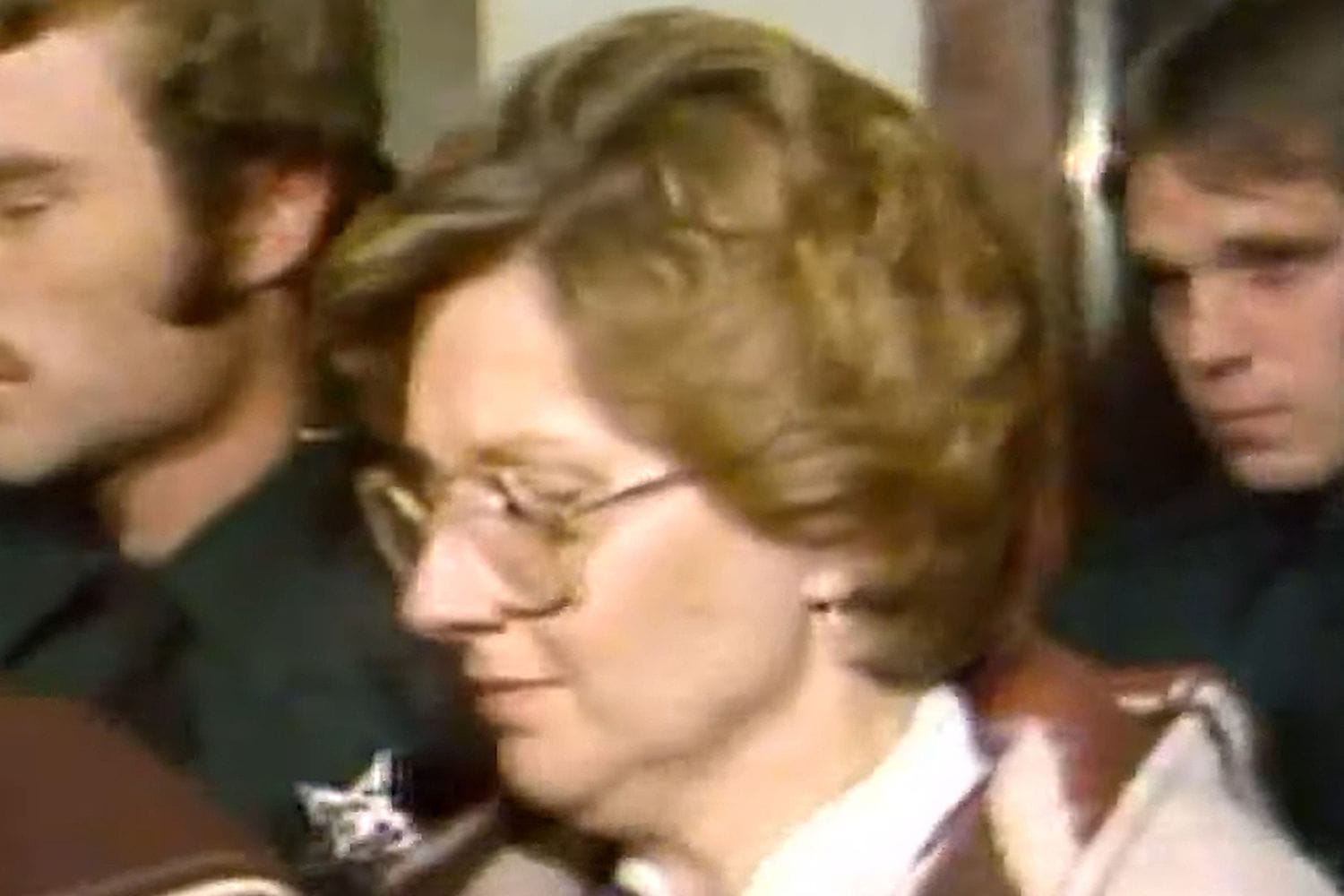
Here we go again. The cycle repeats itself. Every few years, a new generation discovers the story of Candy Montgomery and Betty Gore, and suddenly, the American suburbs don’t feel quite so safe anymore, do they? The streaming giants have a real talent for excavating the most terrifying parts of our collective history, slapping a high-production value bow on top, and presenting it as entertainment. Now that HBO Max’s *Love and Death* has landed on Netflix, where it immediately shot to the top of the charts, the conversation about Candy Montgomery—the sweet-faced, churchgoing, axe-wielding killer from Wylie, Texas—is back on the front burner, and honestly, we should all be panicked about it. This isn’t a story about one isolated incident. This is a story about the complete and total breakdown of the suburban American dream. It’s about the darkness that festers beneath the surface of perfect lawns and church potlucks, and it serves as a stark warning about how easily we can all be fooled by the people who live right next door, the people we think we know best in the world. We are obsessed with these stories not because we seek justice, but because we secretly yearn to watch a world burn around us, hoping to find a small, dark comfort in the fact that our own lives aren’t quite so messy as theirs. Why do we watch?
The Netflix algorithm is designed to feed us what we crave, and what we crave, apparently, is high anxiety and suburban betrayal. It’s a macabre fascination with the idea that the most dangerous person in your life might be the one you share carpool duties with. The ‘true crime’ genre has morphed from a niche interest into a full-blown cultural addiction, and the Candy Montgomery case is its poster child. It checks every box: adultery, religious hypocrisy, suburban isolation, and a brutal act of violence that defies explanation. The show’s popularity isn’t just about a good script or compelling acting; it’s about a deep, underlying societal fear that we’re all just one bad day away from snapping. The show’s success proves that we are all, collectively, going to hell in a handbasket, aren’t we?
The Illusion of Safety: How Betty Gore Trusted the Wrong Person
The core tragedy of the Betty Gore case isn’t just the murder itself; it’s the profound betrayal that preceded it. Betty Gore was a new mother, isolated, and in need of help. Candy Montgomery was her friend, a fellow church member, a person she trusted with her children. This wasn’t a random act of violence perpetrated by a stranger lurking in the bushes. This was an act of violence committed by someone who had a key to her house, someone who was part of her inner circle. The Wylie community in 1980 was built on a foundation of trust, where everyone knew everyone else, or at least thought they did. They were all part of the same church, the same social clubs. They went to the same parties. They shared the same anxieties about raising families and maintaining appearances. The irony here is thick enough to choke on: Candy Montgomery was having an affair with Betty Gore’s husband, Allan Gore. When Betty discovered the affair, the facade began to crumble. The details of the affair itself are almost mundane in their suburban cliché, but the resulting violence was anything but. The panic alarmist in me can’t help but wonder: how many similar situations are happening right now, in the perfect, quiet neighborhoods of America, where people are smiling at each other on the street while harboring secrets that could tear a community apart? We assume a level of safety because we live in a ‘nice area,’ but the truth is, the most dangerous people often look just like us. They drive minivans and volunteer at school events. They bake cookies. They look normal.
The idea of a seemingly ‘normal’ person committing such a heinous act is what makes this case so persistent in the public consciousness. Candy Montgomery was, by all accounts, a pillar of her community. She was active in her church, she taught Sunday school, and she had two kids. This wasn’t some back alley criminal; this was a suburban housewife with a seemingly perfect life. We are obsessed with her story because it shatters the illusion that we can judge a book by its cover. We want to believe that evil looks a certain way, that we can spot it coming. But Candy Montgomery showed us that evil can wear a pastel dress and have a friendly smile. It’s a fundamental breach of trust that makes you question everyone you’ve ever met. Is your neighbor really a good person? Or are they just better at hiding their secrets?
The Brutality of the Crime and the Inhumanity of the Acquittal
Let’s not mince words here. The specific details of Betty Gore’s murder are what truly set this case apart, and they are what keep us fixated on it year after year. Betty Gore was struck 41 times with an axe. Forty-one times. This wasn’t a moment of panic. This wasn’t a simple self-defense action where someone overreacted. This was an extended, deliberate, and extraordinarily violent act. The sheer number of blows suggests a rage that went far beyond mere self-preservation. It suggests a complete loss of control, a psychotic break fueled by years of repressed emotion. The panic alarmist sees this as a terrifying warning sign: the pressure cooker of suburban life, where everyone pretends to be happy and successful, can create monsters out of the most seemingly benign individuals. When all that repression finally explodes, it doesn’t just fizzle out. It erupts with a fury that is almost unthinkable.
And then there’s the outcome. The part that truly drives the public into a frenzy and proves that the system is broken beyond repair. Candy Montgomery was acquitted of Betty Gore’s murder. The jury found her not guilty, accepting her claim of self-defense. The defense team argued that Betty Gore attacked Candy first with the axe, and that Candy only used the weapon to defend herself. The key part of this defense was the claim that Candy experienced a disassociative state, triggered by Betty’s initial aggression and a childhood memory of her own mother’s reaction to conflict. It’s a truly stunning legal maneuver that effectively allowed someone who struck another human being 41 times with an axe to walk free. The panic alarmist view is simple: justice was not served here. A jury let a killer go free based on flimsy psychological testimony. This kind of outcome completely erodes public trust in the justice system. It sends a message that a good lawyer can get you out of anything, no matter how brutal the crime. We look at this and realize that the system isn’t designed to protect us; it’s designed to protect the powerful and those with a good story. What happens to the victim then? The victim becomes a forgotten footnote in a true crime show, while the killer becomes a pop culture icon. That’s the real travesty here.
The Children Who Paid the Price: A Legacy of Trauma
While we obsess over Candy Montgomery’s motive and the gruesome details, we often forget the real victims of this story: the children. Both Candy’s children and Betty’s daughter, Alisa Gore. The true crime machine turns real-life tragedies into entertainment, but it rarely focuses on the long-term, devastating impact on the families left behind. Betty Gore’s daughter was left without a mother, forced to grow up with the knowledge that her mother’s friend was responsible for her death. Candy Montgomery’s children had to cope with the fact that their mother was a killer, and that she had been acquitted in a very public and scandalous trial. Where are they now? The media occasionally checks in, but mostly, they’re left to process this trauma in private. The panic alarmist sees this as a core failing of society: we consume the spectacle and discard the victims. We move on to the next sensational story, leaving a trail of broken families in our wake. The children are forced to live with the fallout, while the killer gets to rebuild her life somewhere else. Is there justice in that? No. There is only more panic and more anxiety. We are all complicit in a culture that rewards the sensational and ignores the truly tragic consequences.
Alisa Gore, Betty’s daughter, has had to live with the shadow of this event her entire life. It’s hard enough to lose a parent, but to lose a parent to a brutal axe murder committed by a trusted friend in a very public spectacle must be almost unbearable. The narrative of the show, focusing so heavily on Candy’s side of the story, often minimizes the pain of the victims. This re-visitation of the case through high-budget entertainment forces the surviving family members to relive their trauma all over again. The panic alarmist worries about the long-term implications of this kind of cultural consumption. Are we teaching future generations to view real human suffering as mere entertainment? Are we creating a society so desensitized that we can no longer distinguish between a fictional horror movie and a real-life tragedy? The answer, based on the success of these shows, seems to be a resounding yes.
The True Crime Addiction: Are We Normalizing Sociopathy?
Let’s talk about the true crime genre itself. It’s not just a passing trend; it’s an industry. And it thrives on stories like Candy Montgomery’s. Why are we so drawn to these narratives of violence and betrayal? Some psychologists suggest that it’s a way for us to feel in control in an increasingly chaotic world. By understanding a crime, we believe we can prevent it from happening to us. We study the patterns of killers, look for red flags, and hope to arm ourselves against the unseen dangers lurking in our communities. The panic alarmist argues that this is a dangerous delusion. We aren’t making ourselves safer by watching these shows; we are making ourselves more paranoid. We are viewing every interaction with suspicion. We are losing our capacity for empathy because we’ve normalized the most horrific acts of violence as part of our nightly entertainment routine. The true crime obsession, far from being a healthy way to process trauma, is actually contributing to a widespread anxiety disorder in our society.
Furthermore, these shows have a tendency to romanticize the perpetrators. By creating compelling narratives around killers like Candy Montgomery, we risk turning them into anti-heroes or complex characters rather than simply acknowledging them as people who caused immense pain. The focus shifts from the victim’s experience to the killer’s psychology. This is where the true crime genre becomes ethically compromised. We spend countless hours trying to understand ‘why’ they did it, and in doing so, we sometimes forget to ask ‘what’ it did to the people they hurt. The panic alarmist believes that this normalization of violence, this deep dive into the psyche of a killer, is a slippery slope toward societal decay. If we can’t be outraged by an axe murder anymore, what will it take to shock us? A nuclear war? The complete collapse of civilization? We are already halfway there, aren’t we?
The Future of Fear: A Society on Edge
So where does this leave us? The Candy Montgomery story serves as a mirror reflecting our deepest insecurities. We live in a world where we are constantly told to trust our instincts, but our instincts failed Betty Gore. We are told to form close-knit communities, but those communities can harbor the most dangerous betrayals. The return of this story to Netflix, with all its glossy production and high ratings, isn’t just a simple entertainment choice; it’s a symptom of a much larger societal sickness. We crave stories of high stakes and betrayal because we suspect that our own lives are built on fragile foundations. We suspect that our neighbors are hiding dark secrets, that our spouses might be lying to us, and that the world we’ve built for ourselves could collapse at any moment. The panic alarmist predicts that this trend will only accelerate. As real-world anxieties increase—economic instability, political division, climate change—we will turn more and more to these fictionalized (or semi-fictionalized) versions of real trauma to cope. We will become desensitized to actual suffering because we have consumed so much fictional suffering. We are on the precipice of a mental health crisis fueled by fear, anxiety, and a cultural obsession with the very things that make us feel most unsafe. We need to wake up and recognize that these true crime shows aren’t just entertainment; they are a warning sign. They are proof that we are living in a world where trust is a liability and paranoia is a form of survival. The next betrayal is always right around the corner. We are all living in a powder keg. And we are just waiting for a spark.