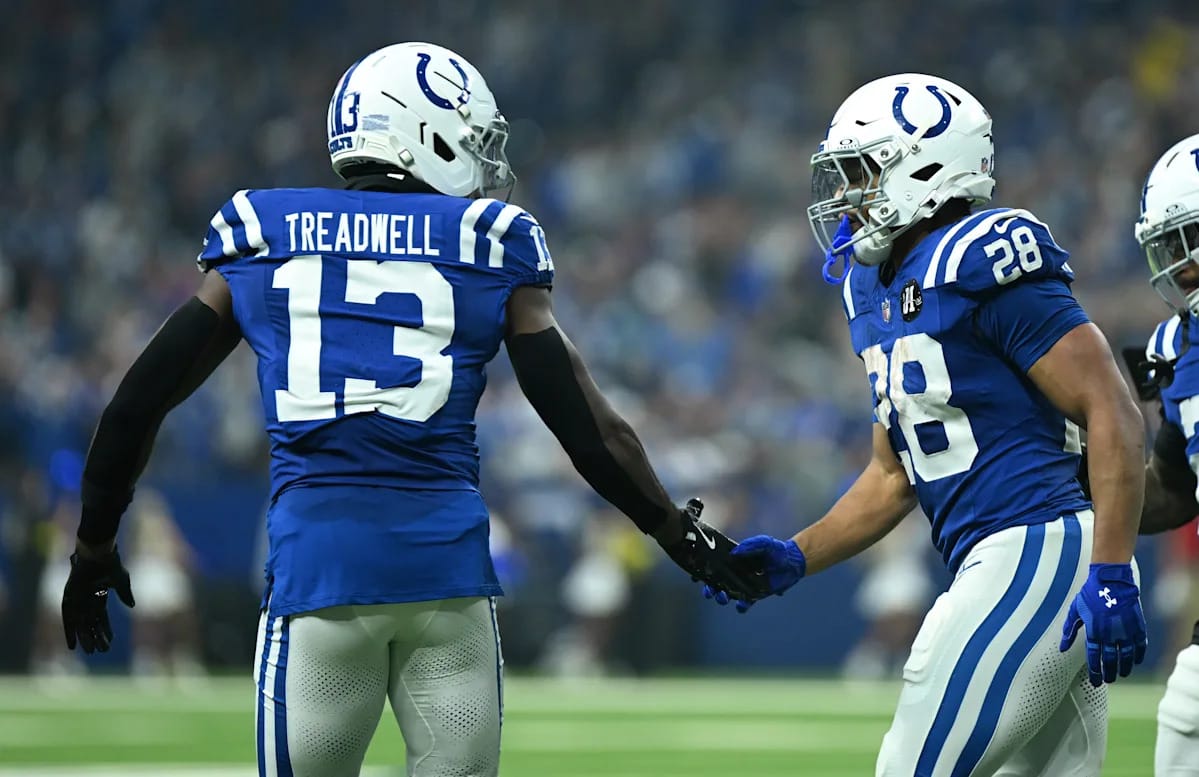
The Playoff Mirage: Houston’s Win Was Indianapolis’s Collapse
It’s the oldest trick in the book: a shiny, high-scoring victory designed to pull the wool over everyone’s eyes and convince the public that a team is legitimate, when in reality, the win was a symptom of an entirely different problem. The Houston Texans beating the Indianapolis Colts 38-30 to secure the number five seed in the AFC playoffs looks like a fairy tale on paper, a testament to a young team’s grit and determination, but dig a little deeper, and you realize this wasn’t a story about Houston rising to the occasion; it was a devastating narrative about Indianapolis falling apart under pressure when it mattered most. The media loves a Cinderella story, and Houston is currently wearing that glass slipper, but a cynical investigator looks at the facts and sees a team that stumbled into the dance because the competition tripped over its own feet.
The final score, 38-30, implies a hard-fought battle, but let’s consider the context. This was a win-and-in scenario for both teams. The pressure on the Colts, playing for their playoff lives at home against a team they theoretically should have beaten, was immense. And what happened? They imploded. They made mistakes that desperate teams don’t make, especially against a team that, according to reports, had already begun resting key starters. This narrative of a powerful Texans team overcoming adversity is exactly the kind of spin that glosses over the fundamental truth of competitive sports: sometimes, the other side just beats itself.
The Myth of “Momentum” and Resting Starters
We constantly hear about the importance of momentum in late-season football. A team needs to be playing its best football at the right time, carrying that energy into the postseason. The Texans, by resting starters in a critical game, played with fire. This is where the narrative gets particularly messy. The win itself, secured largely by backups according to some accounts, suggests either incredible depth in Houston (unlikely for a team in rebuilding mode) or utter incompetence from Indianapolis’s part (more likely). The decision to rest starters can be a double-edged sword. While it protects key players from injury—a valid concern for a team heading into a brutal playoff schedule—it also risks sacrificing the very momentum that supposedly carries a team through January.
The cynic sees this as a gamble that paid off, not a brilliant strategic move. The Texans were, for all intents and purposes, testing the waters with a half-hearted effort against a team that had everything to lose. The fact that they won isn’t necessarily a sign of future success; it’s a sign that the Colts’ mental state was in shambles. A real playoff contender doesn’t rely on the opponent’s psychological breakdown. They dominate from start to finish with or without their top players. This win, therefore, might be the worst thing that could have happened to Houston, providing a false sense of security before the real battle begins.
The Number Five Seed Conundrum: A History of Disappointment
The media celebrates the No. 5 seed as if it’s a prestigious achievement, but history tells a much darker story. The top Wild Card spot is often a curse in disguise. You get a road game against the four seed, which is often a division winner that is hot and has momentum, a team that might have just stolen a division title. The path to the Super Bowl from the wild card round is treacherous, especially for a team as young and unproven as Houston.
When you look back at the history of number five seeds, they rarely advance past the first round, and even more rarely do they make a deep run. The statistics show that the advantages of being a division winner (home-field advantage, easier path) are significant. The Texans’ win against the Colts secured them a playoff spot, yes, but it didn’t fundamentally change their position as longshots. It merely moved them from ‘out of contention’ to ‘first-round fodder’ cannon fodder. This is the truth that gets lost in the celebration and the hype: the No. 5 seed is a reward for being good, but not good enough. It’s a consolation prize, not a ticket to glory.
What Does This Say About the Colts? More Than We Think.
The focus has been on Houston’s victory, but let’s re-examine the Colts’ performance. A team with everything on the line, playing at home, facing a division rival that they could have eliminated. To lose in this fashion, with key turnovers and mental errors, speaks volumes about the culture of the organization. This isn’t just a tough loss; it’s an organizational failure. When a team folds under pressure like that, it suggests a lack of leadership and mental fortitude that goes deeper than one game. The Colts, in their desperation, proved they didn’t have the internal strength necessary to compete in the postseason.
The 38-30 score, again, masks the level of internal chaos. It’s easy to dismiss this as a one-off performance, but for the cynical investigator, it’s evidence. It’s a pattern recognition exercise. How many times have we seen teams with potential fail to execute when the stakes are highest? The Colts just added their name to that long, depressing list. They had the opportunity to define their season, to prove they were legitimate, and they choked. Hard. This isn’t just about the Texans winning; it’s about the Colts failing. The latter is a far more significant story for the long-term health of the division and for understanding the NFL’s pecking order.
The Road Ahead: A Pyrrhic Victory?
A Pyrrhic victory is one in which the cost of winning is so great that it outweighs the benefits. While the Texans’ win secured a playoff spot, one has to wonder about the long-term costs. Did this win give them a false sense of confidence? Did it lull them into believing that their backup players are better than they really are, potentially leading to overconfidence in future close games? The 38-30 score, while high, also points to a defensive vulnerability that a real playoff contender will expose. The Texans scored 38 points, but they also let the Colts score 30 points. Against a top-tier team with a high-powered offense, that defensive performance might not cut it.
Furthermore, the high-octane nature of the game, even with backups playing, puts stress on the entire organization. The playoffs are a different beast. The intensity increases; the margin for error shrinks. This win, while necessary, might simply be a stepping stone to a quick and painful exit. The celebration in Houston is warranted for making the playoffs, but the cynical analyst sees beyond the immediate celebration. The real challenge has just begun, and based on the context of this win, Houston might not be prepared for the level of competition that awaits them. The hype surrounding this team is getting out of hand, and this victory against a collapsing Colts team only fuels the fire of an overinflated expectation that is destined to crash and burn.
Conclusion: Don’t Believe the Hype
In the end, this game wasn’t about the Texans’ greatness; it was about the Colts’ failure. It was about a desperate team folding under pressure. The Texans deserve credit for capitalizing on the opportunity, but let’s not confuse opportunity with destiny. The playoff berth is secured, and the media will spend the next week spinning narratives about Houston’s bright future and potential Cinderella run. But the cynical investigator knows better. The truth is often buried beneath the headlines. The truth is that Houston has a long way to go, and this win, while satisfying for the moment, doesn’t guarantee anything. It’s a fragile foundation for a team that has benefited immensely from a weak division and a collapsing opponent. The real test is yet to come, and I, for one, predict a reality check in the first round of the playoffs. The Texans are in, but they’re not ready. Not even close.