The Cult of the Overhyped Athlete: When Tears Replace Trophies
Look at this mess. Iga Świątek, suddenly weeping. Zero-two heartbreak. We’ve been drowning in this manufactured Polish sports euphoria for what feels like an eternity, haven’t we? Every serve, every slightly awkward press conference, gets blowtorched across every digital feed as if the fate of the free world depended on whether she nailed a backhand return at the United Cup. Why are we so obsessed with manufacturing these tragic heroes? It’s the media’s fault, plain and simple. They need content, and nothing screams ‘clicks’ like national pride collapsing into on-court misery. This isn’t news; it’s emotional vampirism dressed up as sports reporting.
The Annual Polish Tennis Industrial Complex
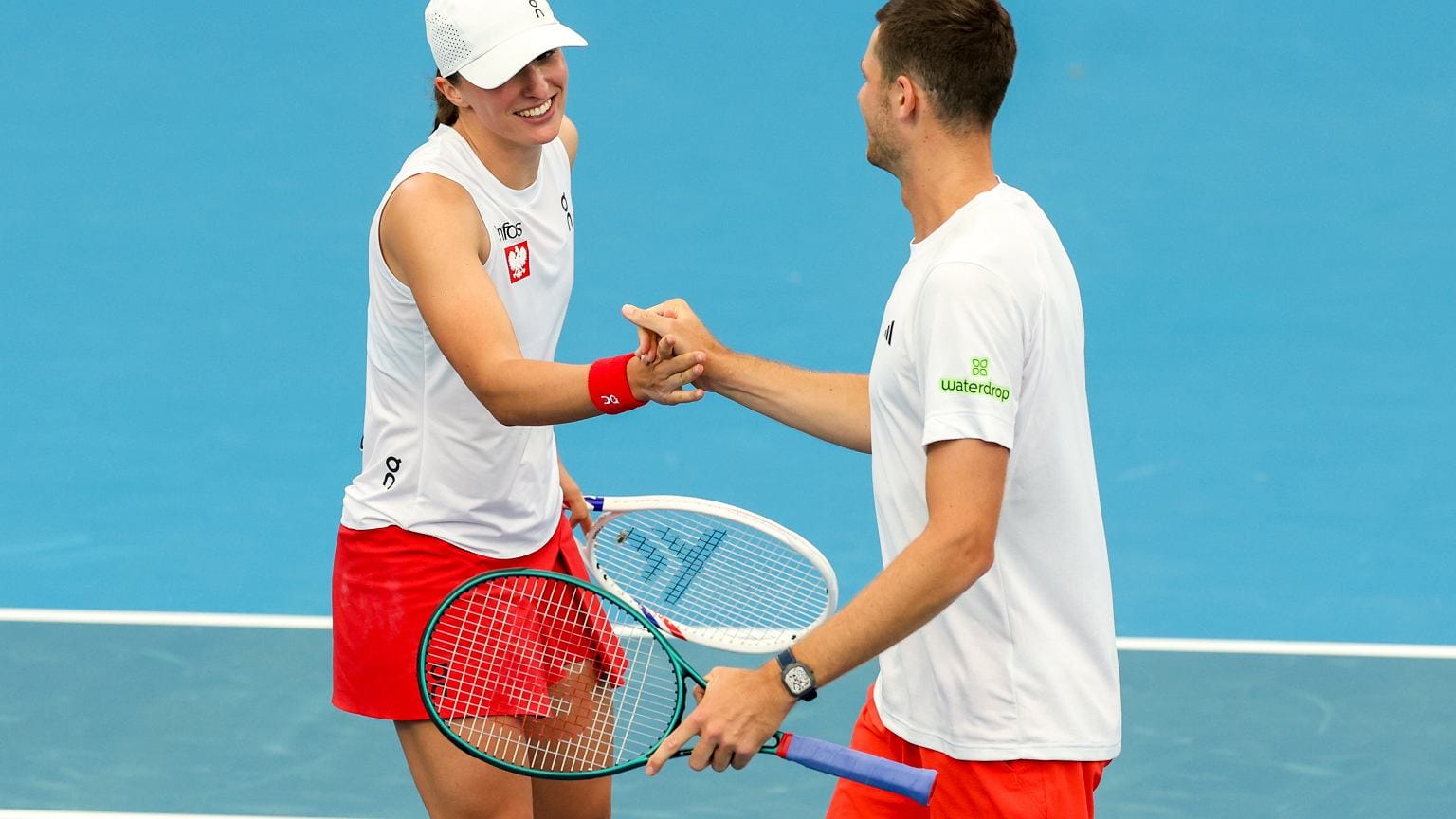
Remember last year? The same breathless anticipation, the same hand-wringing over every minor setback. Now, they’re rehashing the ‘rewanż’ against the USA, conveniently forgetting that these team events are often glorified exhibition matches, not Grand Slams. We’re supposed to care deeply about Hubert Hurkacz’s presence too, aren’t we? But let’s be honest, the narrative engine runs solely on Świątek’s mood swings. If she wins, she’s a god; if she cries, she’s a martyr. Where is the middle ground? Does anyone actually analyze the tennis anymore, or are we just cataloging the humidity levels affecting her tear ducts?
This perpetual state of high-alert coverage—demanding to know ‘Kiedy gra Iga Świątek?’ as if it dictates when your local gas station opens—is symptomatic of a larger digital addiction. We are conditioned to consume every second, every minute detail, because the algorithms demand engagement. This endless cycle of expectation management is exhausting, and frankly, it’s destructive to the athlete. Imagine carrying the weight of an entire nation’s sporting happiness on your shoulders, knowing that if you falter, the digital vultures are ready to descend and dissect your very soul in 280 characters. It’s a brutal contract, one they probably never fully read.
The Technology That Fuels the Hype Beast
We are living in the age of instantaneous reaction, where slow deliberation is penalized by diminishing viewership numbers. This technology—the very screens we stare into—demands novelty and high drama. A straightforward 6-4, 6-4 victory? Boring. Unseen by most algorithms. But tears? A ‘bolesne 0:2’? That’s premium content gold. The speed at which this news cycles is dizzying. The match ends, the commentators flail, the internet explodes, and by the time the actual tennis analysts get around to discussing strategy, the emotional tide has already swept everyone away. It’s theatre, folks, and the technology ensures everyone has a front-row seat to the melodrama, whether they like it or not.
Is this what sport has become? A never-ending soap opera where the main plot point is which player will break down first? I recall a time, ancient history now, when we respected privacy. Now, we demand access to the bathroom stalls if we suspect a breakdown is imminent. This craving for vulnerability is pathological. We demand stoicism, but when someone shows genuine emotion—genuine, messy human emotion—we feast on it until there’s nothing left but dry bones of gossip.
The Echo Chamber Effect on National Pride
Think about the sheer volume of content produced just around this one moment of televised sadness. Every pundit, every retired player, every keyboard warrior suddenly becomes an expert on Świątek’s mental fortitude. It creates an echo chamber where Polish sporting identity becomes inextricably linked to the fragility of its biggest star. If she’s winning, Poland is winning. If she cries, the nation has been slapped. What happens to the concept of team resilience when the entire spotlight focuses on one individual’s momentary lapse? It teaches the wrong lesson: that success is singular and failure is personal apocalypse.
And what about Hubi? He’s playing tennis, I assume, somewhere off-camera, perhaps feeling the pressure of needing to counterbalance the emotional tsunami swirling around his teammate. The coverage barely notices. It’s a zero-sum game for attention. We wait a year for a ‘revenge match,’ only to have the entire setup overshadowed by a moment of vulnerability that the media then weaponizes for engagement. It’s cynical. It feels dirty.
Prediction: More Tears, More Clicks, Less Tennis
Mark my words, this cycle won’t break. Next season, the anticipation will be even higher. The pressure cooker will be dialed up another notch. And when the inevitable setback occurs—because athletes are not machines, despite what the streaming services want you to believe—the resulting media frenzy will be even more toxic. We will demand explanations for the tears, demand therapy recommendations, demand an immediate ‘bounce-back’ narrative. The cycle demands constant escalation. Are we ever allowed to just watch a good match without the mandatory Greek tragedy attached?
This whole episode, this ‘Bolesne 0:2,’ is a perfect microcosm of modern digital obsession. It’s not about the sport; it’s about the spectacle of collapse. It’s engineered drama designed to keep us glued to the screen, waiting for the next human flaw to exploit. We’ve turned excellence into fragile performance art, and we’re outraged when the performer stumbles off the tightrope. I’m tired of the hype. Are you? This endless need to turn every athletic performance into a defining cultural moment is what’s truly broken here, not the tennis player’s game for thirty minutes on a Tuesday afternoon.
The Lost Art of Disinterest
We have lost the ability to simply be *uninterested* in the non-game aspects. Can we not just say, ‘Tough loss, she’ll play again next week’? Why must we dissect the captain’s comments on her withdrawal? Why the deep dive into what she was ‘waiting for’ all year? It’s narrative filler! It’s intellectual junk food that we consume without question, letting it cloud our judgment on actual sporting merit. The media is feeding us empty calories of emotion, and we are bloated with manufactured outrage and synthetic sympathy. This whole circus around the United Cup semifinal replay against the USA is just the latest iteration of the same tired script. Prepare for more manufactured drama when the next minor Polish sporting figure achieves something moderately successful; the mechanism is already primed to turn excellence into martyrdom or sainthood, skipping the necessary step of just being good at one’s job. It’s a tired formula, and frankly, I’m ready for a digital detox from this constant emotional blackmail disguised as sports analysis. This constant surveillance and mandatory emotional response are crushing the actual joy out of watching sports. It’s all too much, too soon, too often. We need a reset. Do we ever get one? Unlikely.