The Meltdown: When the Fairy Tale Ends in Tears
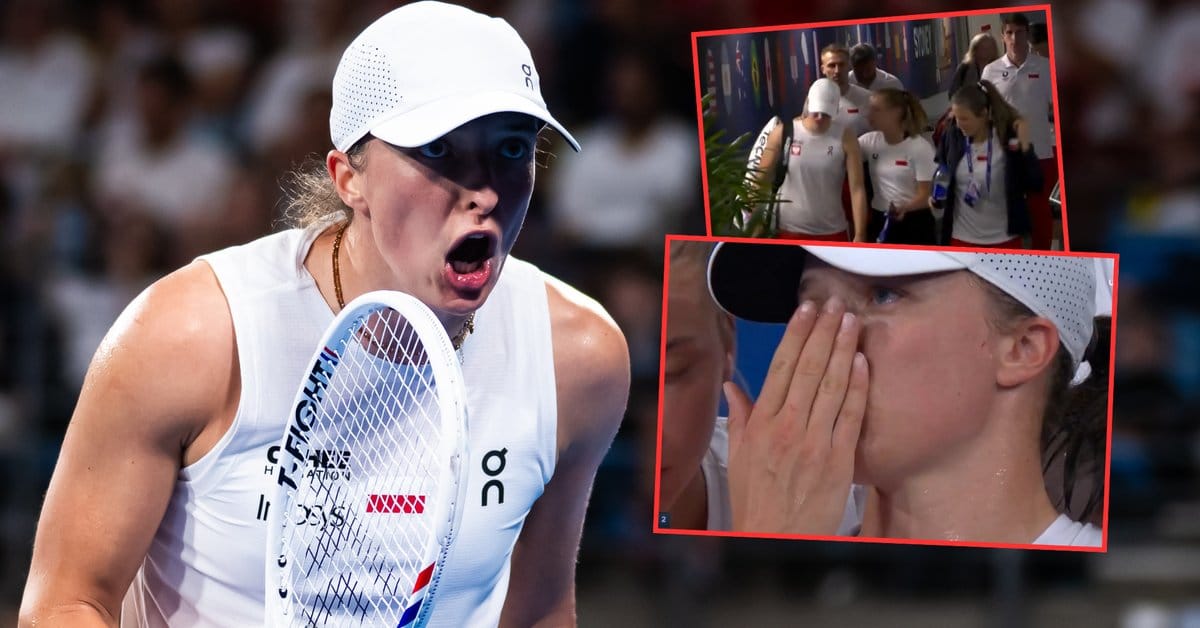
They built her up like some kind of untouchable deity, didn’t they? Iga Świątek, the flawless machine, the shield against all American tennis hubris. And then, bam. A 0-2 drubbing, and suddenly the tears are flowing in public. It’s honestly pathetic, watching someone who claims to command the sport crumble like that.
We all saw the buildup for this United Cup showdown against the States. It wasn’t just a tennis match; it was framed as an epic sequel, a chance for revenge, a nationalistic rallying cry that frankly, no athlete should have to carry on their shoulders.
The Pressure Cooker is Real, But the Cooking Was Flawed
Look, I get it. Tennis is brutal. But when you spend twelve months being told you are unbeatable, every single loss feels like a biblical catastrophe. This wasn’t just a bad day; this was the moment the entire edifice of Polish tennis swagger—built entirely on her back—started showing significant structural fatigue.
They keep hyping Hubert Hurkacz alongside her, like having two decent players suddenly makes Poland a global tennis superpower. It doesn’t. It makes them highly dependent on two individuals, and when the primary star has a public breakdown, the whole damn show grinds to a halt. It’s like relying on the main power line and then screaming when the circuit breaker flips.
This whole narrative about her waiting for this moment for a year? Please. What she was waiting for was validation that the media-manufactured dynasty was secure. When you wait that long for something, the fall is exponentially harder. It’s a classic Greek tragedy setup, only with better racquet technology.
Rewriting the Script: USA Didn’t Just Win, They Exposed Themselves
The context here is everything. They marched through the group stages—Germany, Netherlands—handily, looking like an unstoppable juggernaut. Easy wins breed complacency, and frankly, they bred arrogance. They breeze through the early rounds against teams that were perhaps already mentally checked out, and then they hit the Americans in the semi-final. Suddenly, that swagger evaporates.
This wasn’t just about losing the match; it was about losing the *narrative*. The United Cup, for all its sponsorship polish, exists to stoke these national rivalries. When Poland, supposedly at their peak, gets smacked around (eventually losing the tie, let’s not forget the mixed doubles decider which is always the great equalizer), it tells you everything about the depth, or lack thereof, in that Polish setup. Did anyone really think a couple of group stage wins meant they were ready for the heavy hitters?
Hubert Hurkacz: The Silent Partner in the Spotlight
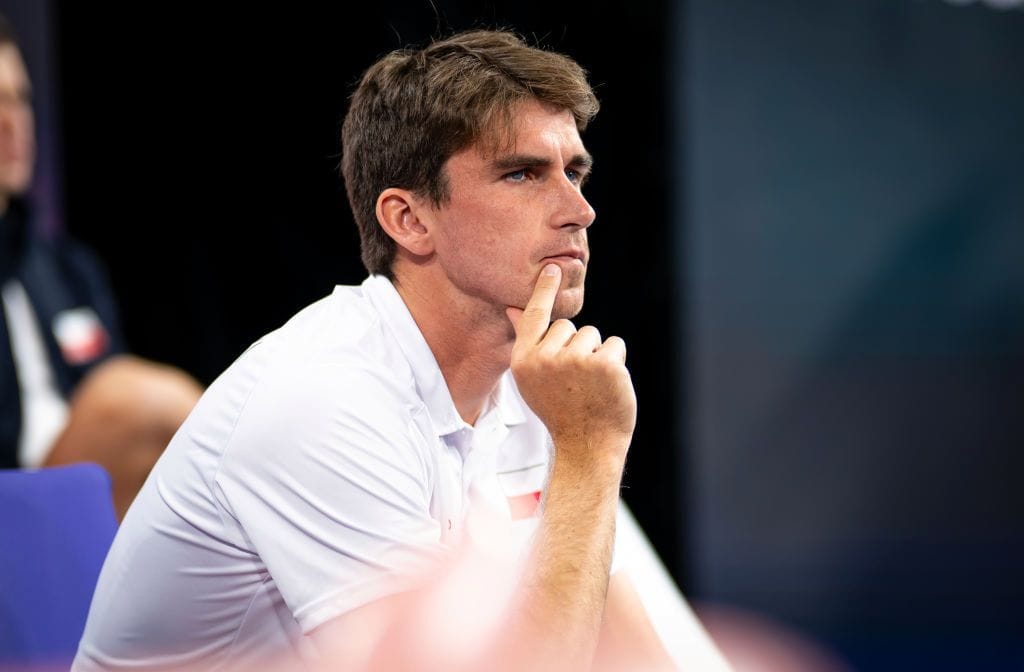
And where was Hubert in all this drama? (He was probably off hitting serves that looked incredible in practice but lacked the necessary penetration when it mattered most, if you catch my drift.) He’s the secondary character, the reliable B-plot, but when the A-plot implodes spectacularly, the B-plot looks awfully insignificant. The Captain of Poland commenting on her withdrawal or decision not to play certain matches—that’s the real tell, isn’t it? When leadership starts justifying player decisions preemptively, it means they are managing crises, not commanding victory. They are patching holes in a sinking ship, talking about how brave the crew is while bailing water with thimbles.
This isn’t just about tennis form. This is about mental fortitude under sustained, blindingly bright public scrutiny. When you are hailed as the nation’s hope, you can’t afford the luxury of a simple bad day. You have to manufacture stoicism, even when you’re dying inside. The fact that the tears were visible suggests the facade cracked entirely. It’s messy. It’s human. But in the world of hyper-marketed sports champions, messy is bad for business.
The History They Forget: Tournament Fatigue is Not an Excuse
They always use tournament fatigue as the catch-all explanation, don’t they? “Oh, she’s tired, she’s played so much tennis.” Spare me the dramatics. These are professionals playing for substantial prize money and national pride. If you can’t manage your schedule to peak for a semi-final against your biggest rivals, then you have a management problem, not an exhaustion problem. It means the team around her—coaches, agents, physios—failed to calibrate the peak performance window correctly. They aimed for a six-month streak of perfection and ended up with a spectacular fizzle.
Think about the legacy implications of this loss. It wasn’t just one match. It was a chance to truly establish dominance over the US contingent in this new team format. Instead, it becomes another footnote about ‘close but no cigar.’ For a player positioned as an all-time great in waiting, these missed opportunities—especially ones played out on a global stage designed for drama—start stacking up like overdue bills.
We need to stop treating these top athletes like delicate porcelain dolls that need constant coddling and media shielding. They are gladiators (or at least, they are supposed to be). When the gladiators cry before the sand is even stained red, the crowd starts asking if they paid the right price for the tickets.
The Future Stares Back Harder Now
What happens next? The media will pivot immediately. They’ll pivot to how she needs rest, how she needs time away from the cameras, how this difficult loss will fuel her comeback stronger than ever. It’s the standard PR playbook for managing public disappointment. But the damage is done. The narrative vulnerability has been exposed.
For the next few months, every time she steps onto the court, that 0-2 sting against the USA will be there, whispering in the back of her mind, or worse, shouting in the commentators’ boxes. The opponents? They know. They saw the crack. They saw the moment the untouchable seemed suddenly, terrifyingly human. That mental advantage is often worth more than three service breaks.
And the fans who invested their national pride? They’re going to be cynical. That’s the kicker. Cynicism breeds apathy, and apathy kills the buzz faster than any loss. They’ll tune in next time waiting for the next inevitable collapse, rather than expecting flawless victory. That shift in fan mentality is the true penalty for such a visible emotional failure on a stage this big. It’s not about crying; it’s about where you cry and who is watching when you do. This spectacle was, frankly, a PR disaster dressed up as sports drama. Polish tennis needs a hard reset, and this public weeping is the painful starting gun for that reckoning. The pressure won’t ease up; it’ll just get louder and more pointed from here on out. You watch. It’s going to be a rough ride back to the top, assuming she even wants to climb that mountain again after this little public stoning.
(And don’t even get me started on how the organizing body handles these team events compared to the pure focus of individual majors. It’s too messy, too many variables, too much built-in drama that distracts from the actual athletic merit. It’s glorified exhibition play wearing the heavy armor of a championship.)
This whole United Cup thing felt like a forced march toward inevitable disappointment for anyone paying attention. They thought they could simply will a semi-final victory into existence by sheer force of national optimism. Tennis, like life, doesn’t reward wishful thinking. It rewards ruthless efficiency. And efficiency was not on the menu when the tears started flowing. That’s the takeaway. Zero analysis, just the ugly, unvarnished truth of a champion momentarily forgetting how to keep her composure when the stakes were manufactured to be impossibly high. It’s weak. End of story.
(We needed a real fight, not a premature surrender coated in mascara runoff. This sets a terrible precedent for the rest of the year’s majors. If you can’t handle the pressure of a Jan 5th team event, what happens at Wimbledon when the rain delays stack up? Think about that for a minute.)
The post-match handling, I guarantee you, will be a masterclass in spin control. They’ll talk about grit and how she fought for every point before that final collapse. But we saw the score. We saw the raw emotion. And frankly, that raw emotion looked like surrender in slow motion. It’s time to stop treating Polish tennis as some delicate ecosystem that needs constant protection from harsh reality. They got hit by a reality check the size of Texas, and the resulting waterworks were entirely self-inflicted because they believed their own press clippings too much. Good riddance to the inflated expectations, perhaps, but the cost to her confidence? That’s astronomical, and you can’t bill that to the sponsor. Brutal, but true. She’ll need more than just a good draw to recover from this sort of public emotional disintegration. It lingers, believe me. It *always* lingers when the world is watching you fail spectacularly.