So, We’re All Just Netflix’s Lab Rats Now?
Let’s cut the crap. The breathless articles asking “how many episodes” or “when will it drop” are asking the wrong questions entirely. They are a symptom of the disease, not an analysis of it. The real question isn’t about release dates or plot spoilers; it’s about why millions of people are willingly plugging themselves into a machine designed from the ground up to mine their attention for profit, a machine that has become so sophisticated it can create a global cultural event out of thin air and then stretch it on a torture rack for maximum subscriber retention. You think that month-long gap between “volumes” was for artistic reasons? Please. That was a calculated business decision, a piece of digital blackmail designed to prevent churn, forcing you to keep that subscription active lest you fall behind in the algorithmically-mandated cultural conversation.
It’s a con.
The Illusion of Choice
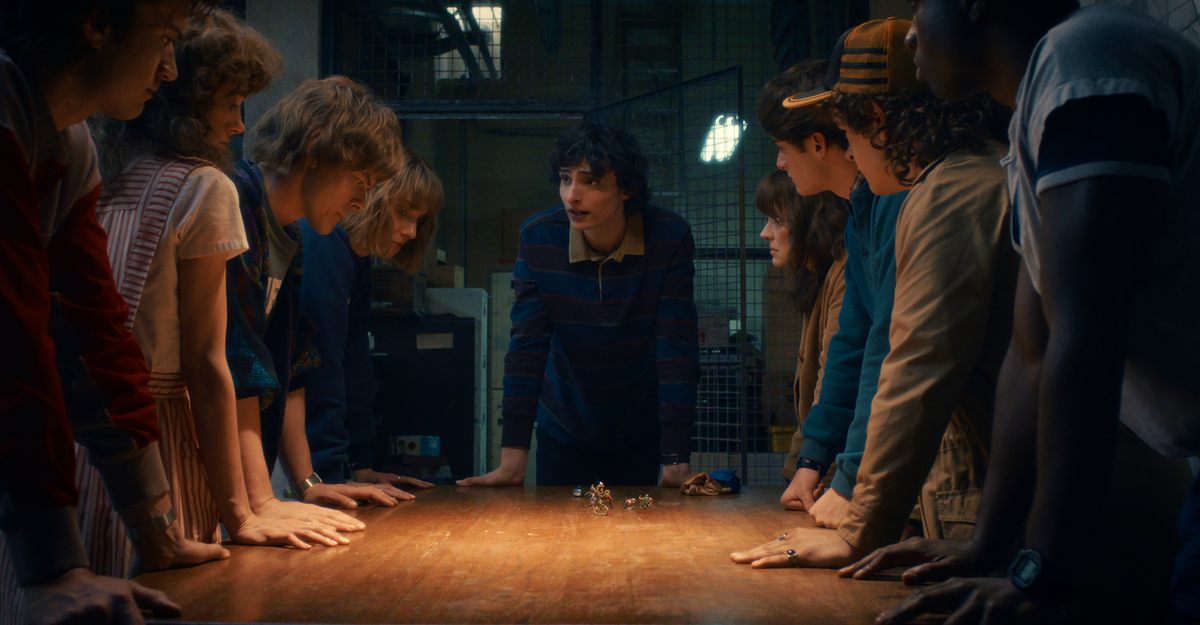
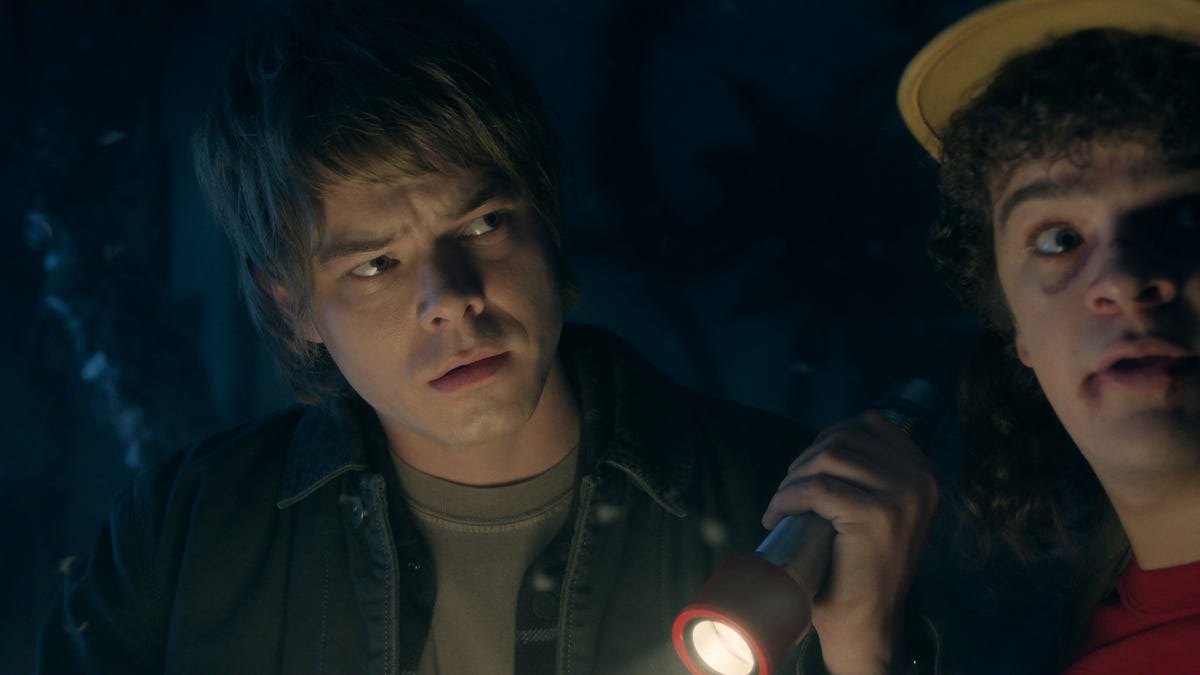
The entire spectacle of a show like ‘Stranger Things’ is a masterclass in behavioral engineering, a meticulously crafted feedback loop where our collective nostalgia, anxieties, and even our latent desires are scraped as data, processed by server farms, and then spat back at us in the form of perfectly palatable “content.” They’re not telling a story so much as they are refining a product. Each season is an update, a patch designed to fix the bugs of the previous iteration and optimize for engagement. The introduction of a new, beloved character, the shocking death, the cliffhanger ending—these are not strokes of creative genius. They are A/B tested narrative devices, honed over millions of hours of viewer data from a hundred other shows to discover the precise formula that will keep your eyes glued to the screen. You are not a viewer; you are a data point. You are a test subject in the largest psychological experiment in human history, and your monthly fee is what you pay for the privilege of being studied.
This isn’t entertainment. This is conditioning.
The very fabric of the show, its 80s nostalgia, is the most potent and insidious part of the formula. It’s not just an aesthetic; it’s a tranquilizer. It taps into a manufactured memory of a “simpler time,” a time before the very platforms delivering this content began rewiring our brains and atomizing our communities. It sells us a comforting past to distract us from the dystopian present it is actively creating, a world where culture is no longer created by artists but is instead assembled by algorithms based on engagement metrics. They’ve weaponized our own memories against us, and we thank them for it by clicking “next episode” before the credits can even roll, feeding the beast exactly what it wants: more data, more control, more of you.
Is This ‘Art’ or Just More Content Sludge?
Look at the language being used in headlines: “Exhausting End.” That’s not an accident. That’s a cry for help from deep within the content mines. We have reached a point of absolute cultural saturation, a digital landfill overflowing with endless seasons, spin-offs, and cinematic universes. The concept of a story having a beginning, a middle, and a definitive end has become quaint, obsolete. It’s bad for business. Why would you ever let a valuable piece of Intellectual Property die when you can milk it into perpetuity? The brand, as one article notes, is “forever.” Think about the chilling implication of that. Not the story. Not the characters. The brand. The logo. The font. The monetizable asset that can be slapped on lunchboxes, Funko Pops, and immersive theme park experiences until the heat death of the universe.
This is the great deception of the streaming age. We are told we have more choice than ever before, an infinite library at our fingertips, but what we really have is an infinite assembly line pumping out variations of the same four or five pre-approved, focus-grouped concepts. The goal is not to challenge, provoke, or inspire. The goal is to occupy. To fill the empty spaces in your day with a low-friction, high-retention product. It’s the cultural equivalent of junk food—engineered to be addictive, offering zero nutritional value, and leaving you feeling bloated and, yes, exhausted. It’s a digital pacifier for the masses, designed to keep us docile and distracted while the world burns outside our curated bubbles.
The Death of the Author, The Birth of the Algorithm
The showrunners, the actors, the writers—they are all, to some extent, cogs in this machine now. Their creative impulses must be filtered through a gauntlet of data analysts and marketing executives who care less about narrative coherence and more about quarterly growth reports. Does this plot point appeal to the 18-34 demographic in emerging markets? Will this character’s arc drive social media engagement? Can we create a viral moment that can be clipped and shared on TikTok? These are the questions that shape the “art” now. It’s a soulless, cynical process that strips away all the messy, unpredictable, and fundamentally human elements of storytelling and replaces them with the cold, hard logic of the spreadsheet. The result is a product that feels hollow, bloated, and stretched thin, a story that should have ended two seasons ago but is kept on life support because its metrics are still too good to let it die with dignity.
It’s an insult to our intelligence. We are being served a seven-course meal of reheated leftovers and told to call it gourmet.
What Does the ‘End’ of Stranger Things Even Mean Anymore?
Nothing. The word “end” has lost all meaning in this new paradigm. A “final season” is just a marketing slogan, a tool to generate urgency and a temporary spike in viewership. Do you really believe that a multi-billion dollar asset like ‘Stranger Things’ will be allowed to simply conclude? That Netflix will just pack it up and say, “Well, that was a good run”? Get real. We are entering the era of the zombie IP, where franchises are never allowed to rest in peace. They are resurrected, rebooted, spun-off, and re-contextualized in an endless, horrifying cycle.
Expect the “Stranger Things Cinematic Universe” to be announced the day after the finale airs. There will be a spin-off about a younger Hopper in the city. An animated series about the other kids from the lab. A prequel about Dr. Brenner. A video game. A virtual reality experience. They will strip-mine this world for every last scrap of content, diluting the original story until it becomes a meaningless backdrop for a sprawling commercial enterprise. The “exhausting end” isn’t the end of the story; it’s the end of our patience. It’s the moment we realize we’ve been had.
Your Nostalgia is a Renewable Resource
The ultimate goal is to create a perpetual motion machine of engagement. The original show becomes a sacred text, a foundation upon which they can build a sprawling church of content designed to keep you praying—and paying—at the altar of Netflix. They will use the emotional connection you formed with these characters as leverage, holding it hostage to get you to watch the next, and the next, and the next mediocre installment. They are transforming our culture into a series of walled gardens, digital ecosystems from which there is no escape. You don’t just watch ‘Stranger Things’; you are a resident of the ‘Stranger Things’ content portal. And the rent is due every month.
The future they are building is not one of shared cultural moments but of fragmented, personalized content streams. The water cooler is dead, replaced by a million isolated conversations happening simultaneously in the digital void, all moderated and monetized by the platform. This isn’t just about a TV show. It’s about the very future of how we consume stories and, ultimately, how we relate to one another. It’s a systematic dismantling of shared experience, replaced by a system of mass personalization that leaves us more connected than ever, but more alone. And that’s just how they want us. Isolated. Distracted. And subscribed.