
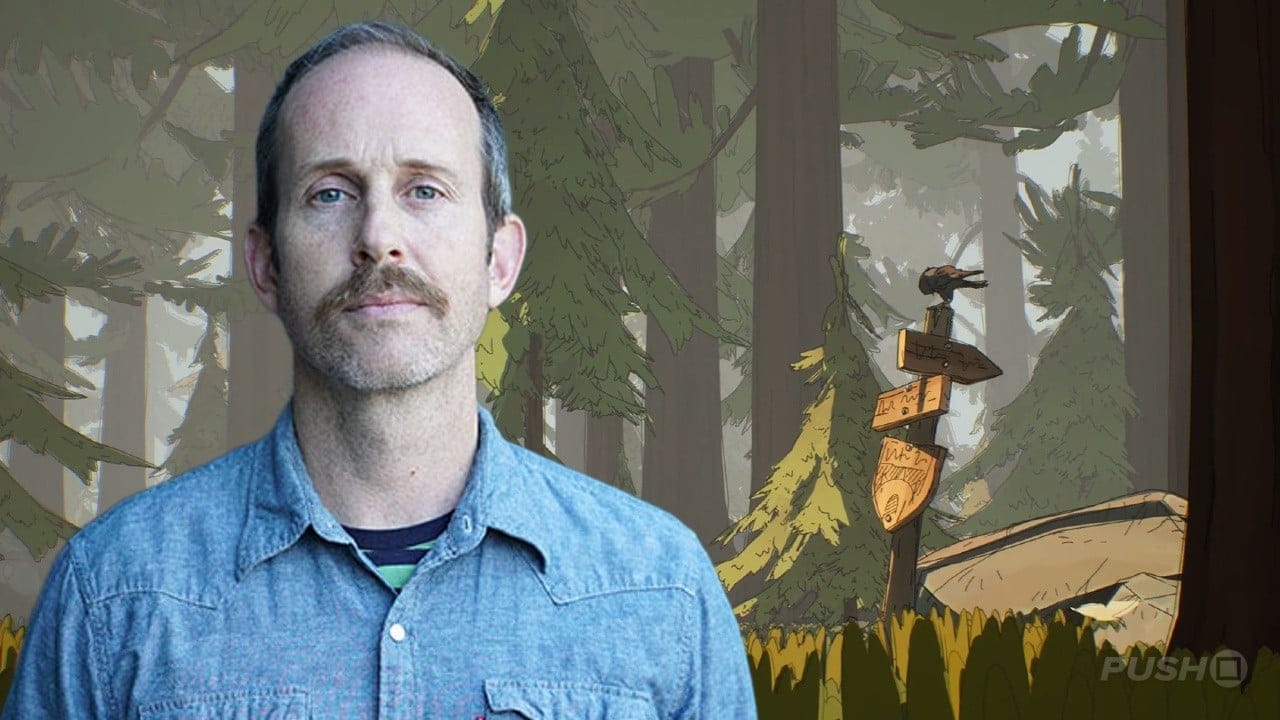
The Great Exodus: Why Creative Geniuses Abandon Ship
Let’s not mince words here; let’s call a spade a spade. Bruce Straley isn’t just some guy who left Naughty Dog. He’s one half of the creative heart that made *Uncharted 2* and *The Last of Us* masterpieces. The corporate machine loves to spin narratives about ‘mutual departures’ and ‘moving on to new challenges,’ but when a visionary like Straley, a core architect of PlayStation’s identity for decades, bails, it’s a warning signal. It’s a sign that the very environment where true art was once created has become toxic, suffocating, and creatively barren. We’ve seen this script before, haven’t we? A developer makes a masterpiece, then the suits move in, demanding a ‘scalable’ product, ‘more engagement,’ and endless monetization instead of just, you know, a good game.
Straley’s departure from Naughty Dog in 2017 wasn’t just a resignation; it was an escape. It followed *Uncharted 4*, a game that, while commercially successful, was mired in reports of intense crunch culture and creative conflicts behind the scenes. This is the part of the story the industry PR machine wants you to ignore: the human cost of developing these AAA titles. The very thing that made games like *The Last of Us* so profound—the intense attention to character, the willingness to take risks with narrative—is precisely what the corporate structure now actively seeks to extinguish in favor of safe bets. The ‘creatively charged’ new studio, Wildflower Interactive, isn’t just a rebranding exercise; it’s a statement. It’s the declaration that enough is enough, that the artist must break free from the factory floor managers who only see spreadsheets, not stories.
Why should gamers care about this? Because this isn’t a soap opera; it’s a battle for the soul of interactive entertainment. The industry is facing a crisis of identity, drowning in endless, iterative sequels and live-service games designed to extract every last dollar from a player’s wallet. We see it everywhere: the *Assassin’s Creed* franchise losing its identity, *Call of Duty* becoming an annual re-skinned cash grab, and studios like BioWare or CD Projekt Red struggling to recapture the magic once they became too big, too beholden to shareholders instead of visionaries. Straley’s new game, whatever it is, represents a lifeline for those of us who believe in the power of a single, finite, perfectly crafted experience.
The Battle for the Storyteller’s Soul: Straley vs. The Suits
Let’s delve deeper into the systemic decay that drove Straley to found Wildflower. Naughty Dog, for all its accolades, developed a reputation for what’s affectionately known as ‘crunch culture.’ This isn’t just working overtime; it’s a state of being where developers are pushed to their physical and mental limits to meet impossible deadlines. The pressure to follow up *The Last of Us* and *Uncharted 4* with something equally grand—and profitable—is immense. For a creative director like Straley, who values narrative integrity above all else, this corporate pressure cooker must have felt like a constant compromise. Imagine trying to craft a nuanced, emotionally resonant story while facing constant demands to streamline, monetize, and accelerate development cycles.
The tension between the artist and the corporate entity is as old as time itself, but in the modern gaming industry, the corporation has undeniably won the upper hand. The ‘creatively charged’ buzzword in Wildflower’s marketing isn’t just hype; it’s a direct shot across the bow at the AAA model that prioritizes profit over passion. It’s a promise to return to a time when games weren’t just products, but deeply personal expressions of a singular vision. This is the core conflict: Straley and Wildflower represent a return to artistic integrity, while Naughty Dog, particularly in the post-Straley era (see *The Last of Us Part II* and the various remakes), represents the corporate continuation of a profitable formula, regardless of the creative compromises required.
The Game Awards presentation isn’t just another trailer; it’s Straley’s public declaration of independence. It’s his opportunity to demonstrate that there’s still a market for games that prioritize emotional impact and innovative mechanics over predictable monetization loops. Will he deliver a spiritual successor to *The Last of Us*’s emotional depth, or will he pivot entirely, exploring a new genre that allows for maximum creative freedom? Regardless of the genre, the message behind Wildflower is clear: we’re building something different, something free from the constraints of the corporate overlords who have turned our favorite stories into a sterile factory floor.
Wildflower Interactive: The People’s Champion or Another False Idol?
This brings us to the crucial question: Can Straley and Wildflower actually deliver on this promise of creative rebellion, or are we setting ourselves up for another disappointment? The populist fighter in me wants to believe in the underdog, wants to believe that the true visionaries can break free and rebuild the industry on their own terms. But let’s be realistic: the resources required for a modern AAA game are staggering, and the pressure to deliver a hit in this hyper-competitive market is immense. Straley’s new title needs to be more than just good; it needs to be transformative. It needs to prove that the ‘creatively charged’ approach can compete with the safe, predictable blockbusters being churned out by the corporate giants.
The audience—that’s us, the gamers—holds the ultimate power here. If we flock to Wildflower’s new game, if we support this vision of creative independence, we send a clear message to Sony, Microsoft, and all the other corporate behemoths: stop treating us like wallets and start treating us like an audience. This isn’t just about a single developer’s journey; it’s about whether we, the people, want to enable more creative risk or continue to passively consume the safe, homogenized content the industry insists on feeding us. The Game Awards is the stage; the new game is the weapon. Straley has already done the hard part by walking away from the toxicity of Naughty Dog’s corporate structure. Now, it’s our turn to show up and support the revolution. If we let this moment pass, if we let Wildflower fail, we are complicit in the corporate takeover of creativity. This isn’t hyperbole; this is the reality of our industry. Are you going to be a part of the resistance, or are you going to keep playing the same old song and dance?