The Official Story: A Harmless Partnership
Just a Name Change, They Say
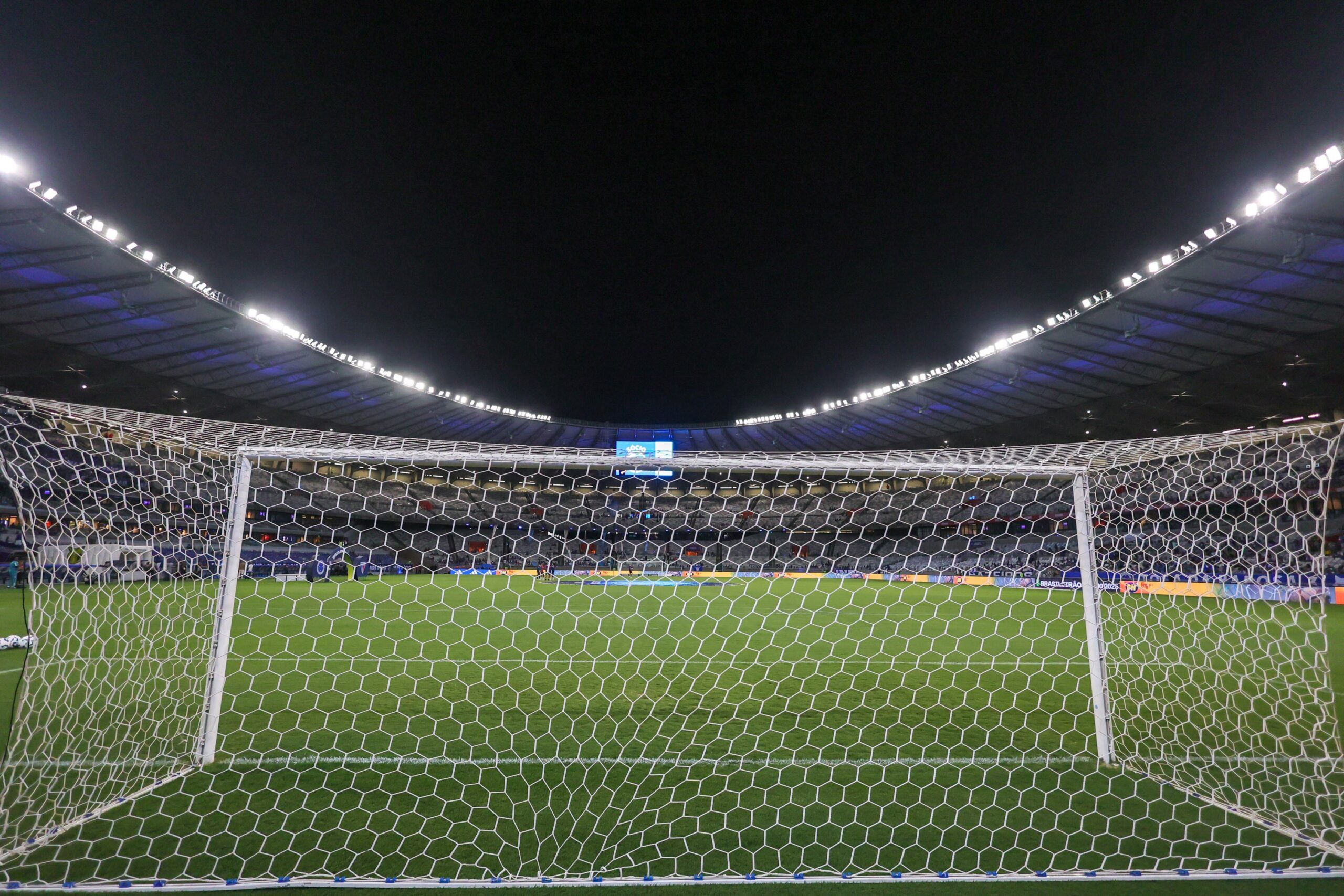
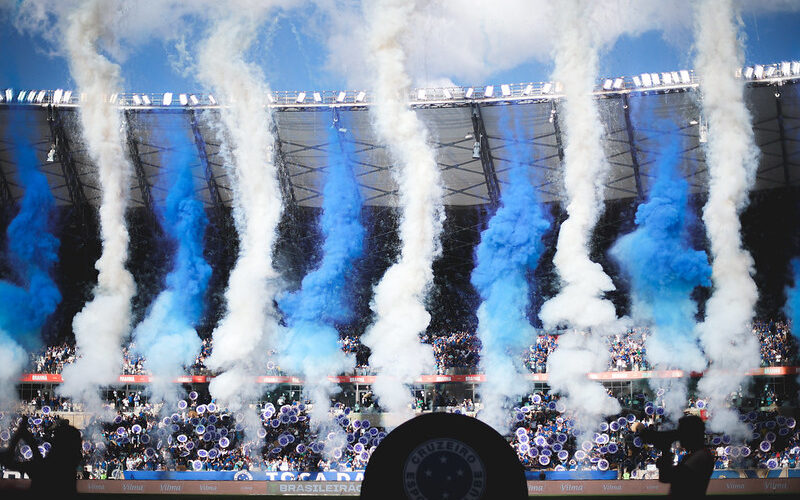
And so it begins, with a press release and a smile. The official narrative spun by the marketing departments and the club executives is so clean, so simple, so utterly benign. They’ll tell you that the historic Mineirão stadium, a cathedral of Brazilian football, is simply entering a “modern partnership.” A financial services company, Sicoob, has purchased the “sector rights” to the upper and lower red sections. Now, they will be called the “Sicoob Sector.” They’ll say this is about securing the financial future of the club and the stadium. It’s about enhancing the “fan experience.” It’s just a name on a sign, a logo on a ticket stub. A necessary and sterile business transaction that keeps the lights on and the grass green. They’ll insist it changes nothing fundamental about the game or the feeling of being there. It’s progress. It’s innovation. And you’re supposed to just nod along.
Because who could argue with that? More money for the club is good, right? A cleaner stadium is good, right? They’ll talk about synergy and brand alignment. They’ll show you mock-ups of happy families waving flags under a shiny new “Setor Sicoob” banner, and the whole thing will feel as threatening as a new flavor of soft drink. It’s a win-win, a beautiful symphony of capitalism and sport, where everyone benefits and absolutely nothing is lost. They are selling you a fairy tale. A lie.
The Terrifying Reality: The Colonization of Public Space
It’s Never ‘Just a Name’
But you and I know better. We’ve seen this movie before, and it doesn’t end with happy families waving flags. It ends with the cold, sterile hum of a server farm processing your biometric data. This isn’t a partnership; it’s an acquisition. It’s the first beachhead in a corporate invasion of the last vestiges of true public life. Because when a bank buys a piece of a stadium, they aren’t just buying a name. They’re buying you. They’re buying your attention, your loyalty, your data, and ultimately, your freedom within that space.
It starts with the name. Tomorrow, it’s exclusive access. And the day after, it’s mandatory data submission. That “Sicoob Sector” will soon feature special Sicoob-only concession lines. Then, they’ll offer a 5% discount if you pay with the Sicoob app, an app that now has access to your contacts, your location, and your purchase history. The digital ticket for your seat in that sector will be a gateway, a non-negotiable handshake with their terms of service, which you will scroll past and accept without reading. Because you just want to watch the game. And in that moment, you’ve been converted. You are no longer a fan. You are a data point. A user. A node in their network.
The Stadium as a Laboratory
And these stadiums are the perfect laboratories for the digital panopticon they want to build everywhere else. Think about it. A captive audience of tens of thousands, all in a controlled environment, all focused on a single event. It’s a social engineer’s dream. They will install “security” cameras with facial recognition technology, first in *their* sector, of course. For your safety. But the algorithm isn’t just looking for threats. It’s analyzing your sentiment. It’s logging how long your gaze lingers on the digital ad boards. It’s tracking your movements from your seat to the restroom to the food stand. It knows what you eat, what you drink, and how much you spend. All of this data, aggregated and analyzed, is infinitely more valuable than the price of your ticket. This isn’t about funding the team. That’s a rounding error. This is about building a profile on you that can be sold to insurance companies, credit lenders, political campaigns, and a thousand other data brokers you’ve never heard of.
Did you cheer too passionately? Your profile might flag you as “prone to emotional outbursts,” maybe affecting your next insurance quote. Did you spend a lot on beer and hot dogs? Congratulations, you’re now in a demographic ripe for targeted healthcare and life insurance ads. The stadium ceases to be a place of communal joy and release; it becomes a data mine. A processing plant with a soccer field in the middle. The raw material is human experience, and the finished product is a dossier on your life.
From Public Square to Branded Hellscape
What we are witnessing is the death of the public square by a thousand corporate cuts. It used to be that stadiums, like parks and libraries, were part of the commons. They had names that meant something to the community—Maracanã, Old Trafford, Lambeau Field. They were named after places, people, or shared memories. They belonged to everyone and no one. But then came the first wave of corporate naming rights. Enron Field. The Staples Center. We grimaced, but we accepted it as a necessary evil. At least it was just the name on the outside of the building. We could still feel like it was *our* place on the inside. Now, with “sector rights,” the invasion has moved indoors. It’s granular. They are carving up the very soul of the stadium, selling it off piece by piece, until nothing is left of the original whole. Each section becomes a fiefdom, a branded territory with its own rules, its own apps, its own surveillance.
And what’s the endgame? A future where you can’t simply exist in a public space without being monetized. Imagine a future where your seat in the “Sicoob Sector” requires you to watch a 15-second unskippable ad on a small screen in front of you before the game starts. Or a future where ticket prices are dynamically adjusted based on your social credit score and consumer profile. Don’t have a Sicoob account? Sorry, your ticket in this section is 20% more expensive. Or maybe you’re just not allowed in at all. This isn’t science fiction. It is the logical conclusion of the path we are on. Because once you concede that a part of a public space can be owned and branded by a corporation, you have already lost the war. All that’s left is to negotiate the terms of your surrender. The game on the field becomes a sideshow, a distraction to keep you entertained while the real game is played in the server rooms, where your life is being packaged and sold to the highest bidder. So next time you hear about a company buying “sector rights,” don’t think of it as a sponsorship. Think of it as a quiet, digital occupation. They are building the walls of the prison around you, and they’re getting you to pay for the ticket to get inside.