The Game Awards 2025: Where Creative Dreams Go to Die
Let’s not kid ourselves about what The Game Awards actually represents in the modern gaming landscape; it’s less of a celebration of artistic achievement and more of a meticulously orchestrated, multi-million dollar corporate showcase designed to manipulate consumer expectations and create artificial hype cycles for pre-orders. When Sony Interactive Entertainment decides to parade “Saros” and “Wildflower’s first game” on that stage, you’re not witnessing a genuine reveal driven by artistic passion, but rather a calculated move on a chessboard where the pawns are developers and the king is corporate greed, all designed to distract from the real issues plaguing the industry right now, like massive layoffs and a general lack of innovation in the AAA space. The simple truth is that these announcements are less about providing exciting new experiences for players and more about ensuring that quarterly reports look good for investors who demand a constant stream of high-revenue, low-risk intellectual property that can be turned into live-service cash cows, which is exactly where the industry has been heading for years, and Saros is likely just the next logical step in that downward spiral. It’s all just smoke and mirrors, a spectacle designed to make you forget about the predatory business practices and development crunch behind the curtain, a curtain woven from a threadbare fabric of empty promises and recycled ideas.
Saros: The Returnal Cash Grab and The Housemarque Problem
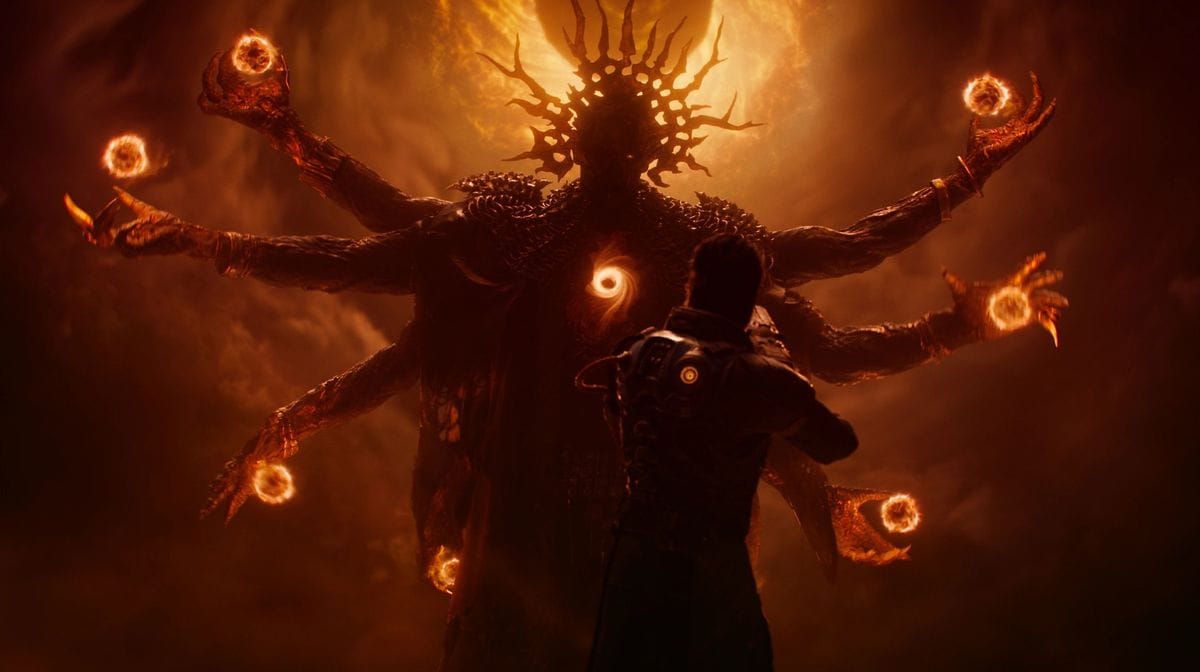
The announcement that Housemarque’s “Saros” will receive a “new look” at TGA 2025 is less a cause for celebration and more a cause for deep suspicion, especially when you consider the history of how PlayStation operates its acquired studios. Housemarque delivered a masterpiece with *Returnal*, a game that was challenging, original, and visually stunning; however, since Sony acquired them, the big question has always been whether their unique creative identity could survive the corporate meat grinder, and the answer, based on every major acquisition in the past few years, is almost certainly no. Saros is almost certainly the next evolution of *Returnal*’s core loop, but instead of focusing on the pure artistic expression that made the original so compelling, the focus will be shifted toward monetization strategies, battle passes, and a long-tail engagement model that keeps players hooked on microtransactions rather than compelling narrative or tight gameplay mechanics. This isn’t just about Saros itself; this is about Sony’s broader strategy of transforming its single-player powerhouses into live-service revenue streams, a move that sacrifices artistic integrity at the altar of market share, leaving developers burned out and players frustrated with a constant stream of updates that fix one thing while breaking three others, all in a relentless pursuit of the next dollar. A major update for Saros is being prepared, which only confirms that the game is probably in flux and nowhere near completion, yet here we are, already hyping up the “new look” to generate pre-order buzz two years before release. It’s the same old story, just with a different title, and the outcome is depressingly predictable.
Wildflower and the Corporate Pressure Cooker
The confirmation that “Wildflower’s first game” will be showcased alongside Saros is, in some ways, even more alarming. A brand-new studio being given such a prominent position at TGA 2025 signals an immense amount of corporate pressure and expectation, effectively setting this fledgling developer up for either impossible success or spectacular failure right out of the gate. We’re talking about a studio that, by definition, lacks the established history and production pipeline of a seasoned veteran, yet Sony is using them as part of a high-stakes marketing push, forcing them into the spotlight alongside their established IP. This isn’t mentorship; it’s exploitation. New studios need time to breathe, find their footing, and establish a creative identity away from the glare of a global stage; instead, Wildflower is being thrust into the spotlight, which inevitably leads to creative compromises, development crunch, and a final product that might not truly represent the studio’s vision but rather a checklist of corporate talking points and demographic-targeting features designed to maximize market appeal. The very idea of announcing a studio’s very first game on this kind of platform suggests that Sony has either acquired a controlling interest or established a very strict publishing agreement, turning Wildflower from a potentially innovative new voice into just another cog in the PlayStation machine, and the cynical investigator in me suspects they’re being forced to announce early to demonstrate a “strong pipeline” of new content for investors. It’s a lose-lose situation for creative freedom, where the only winner is Sony’s stock price.
The Illusion of Choice in Modern Gaming
When you look at the landscape of gaming today, particularly through the lens of events like The Game Awards, the primary takeaway isn’t that we have more choices than ever before; it’s that those choices are increasingly consolidated under a shrinking number of corporate banners, with Sony being one of the most prominent players in this game of acquisition and market control. Saros is not an isolated incident; it’s part of a larger pattern where successful independent studios are purchased and integrated into the ecosystem, essentially eliminating them as competitors while simultaneously allowing the acquiring corporation to claim the mantle of supporting new content, even when that content is ultimately constrained by corporate dictates. The consumer is left with an illusion of diversity, where every major release feels like a variation on the same theme, driven by the same business models and monetization strategies, regardless of who developed it initially. This isn’t just about Saros or Wildflower; this is about the entire industry losing its soul, one acquisition at a time, where the unique visions of developers are replaced by focus group-tested aesthetics and calculated monetization hooks that ensure maximum profit, even if it comes at the cost of genuine player satisfaction. The Game Awards, by showcasing these announcements, merely acts as the final stage for this corporate theater, where we’re all expected to applaud the very chains being placed upon creative expression and creativity, without ever questioning the source of the high-budget spectacle.
The Future of PlayStation: A Service-Game Nightmare
Let’s talk about the big picture here: Sony has been very vocal about its shift toward live-service games, and Saros fits perfectly into that strategy. *Returnal* already had roguelike elements that lend themselves well to endless replayability and potential live-service integration, so Saros is likely being designed from the ground up to maximize that potential, even if it means sacrificing the tight, narrative-driven experience that many players initially appreciated. The move to announce Saros and Wildflower at TGA 2025 isn’t just about generating hype for those specific titles; it’s about signaling to the market that Sony still has a robust pipeline of content to compete with Microsoft’s Game Pass and other subscription services, even as major first-party titles face delays or underperform. The cynic in me sees this as a desperate attempt to shore up the live-service strategy, which has struggled recently. By highlighting new studios like Wildflower, Sony wants to project an image of innovation and growth, but the reality is that these developers are likely being forced to conform to a formulaic template designed to maximize player retention and microtransaction revenue, which is the exact opposite of what made PlayStation’s single-player experiences so special in the first place. This strategy of moving away from traditional single-player experiences toward live-service models is a risk that could alienate long-time fans in search of high-quality, quality, self-contained narratives, leaving them with nothing but a series of endless grinds disguised as entertainment.
Where Is the Innovation? The Lack of Real Surprises
When you dissect these announcements, particularly Saros and Wildflower, you have to ask yourself: where is the real innovation in modern gaming? We’re seeing more re-releases, remakes, and sequels than ever before, and new IPs are few and far between. Saros, as a likely sequel, continues this trend of relying on established successes rather than taking genuine risks. Wildflower, as a new IP, is the exception that proves the rule, but as mentioned, it comes with a high price in terms of creative freedom. The announcement at TGA 2025 feels like part of a broader industry trend where every major presentation is filled with high-CGI trailers that reveal absolutely nothing about the actual gameplay or the final quality of the product. These teasers are designed to generate maximum engagement and pre-orders long before a game is actually ready, creating a cycle where developers are forced to release half-finished products just to meet the market expectations set by the hype machine. It’s a system that rewards deception over quality, and Saros is just another piece in this carefully constructed puzzle designed to keep us focused on the next big reveal while ignoring the underlying problems. The industry needs to break this cycle, but as long as events like TGA reward corporate behavior over genuine artistry, we’re stuck in this endless loop of disappointment and over-promises. The big reveal for Saros and Wildflower is just another chapter in the story of how corporate oversight kills innovation; it’s just business as simple as that.