CONTEXTUAL ANALYSIS: Unexplained Aerial Event Causes Local Stir and Global Digital Fascination
A significant aerial event recently manifested over the UK counties of Norfolk and Suffolk, punctuated by a distinct sonic boom that resonated across the region. The sudden, powerful sound was dramatic enough to be captured directly by residential security systems, including doorbell cameras, which documented the moment residents reacted to the intense noise.
Videos surfaced showing individuals startled by the unexpected auditory shockwave. This event immediately prompted widespread local speculation, especially given the concentration of military aviation infrastructure in the area. Norfolk, Suffolk, and Lincolnshire are home to several key Royal Air Force (RAF) bases, making the possibility of military aircraft training a primary, if unofficial, explanation.
The Digital Footprint of a Sky Event
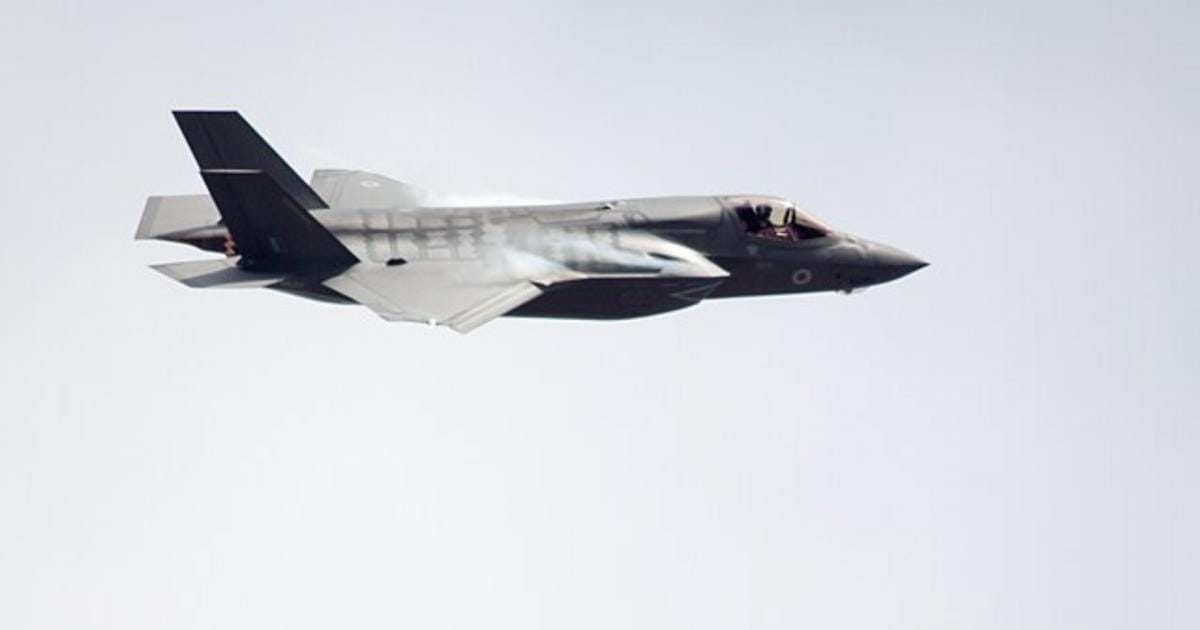
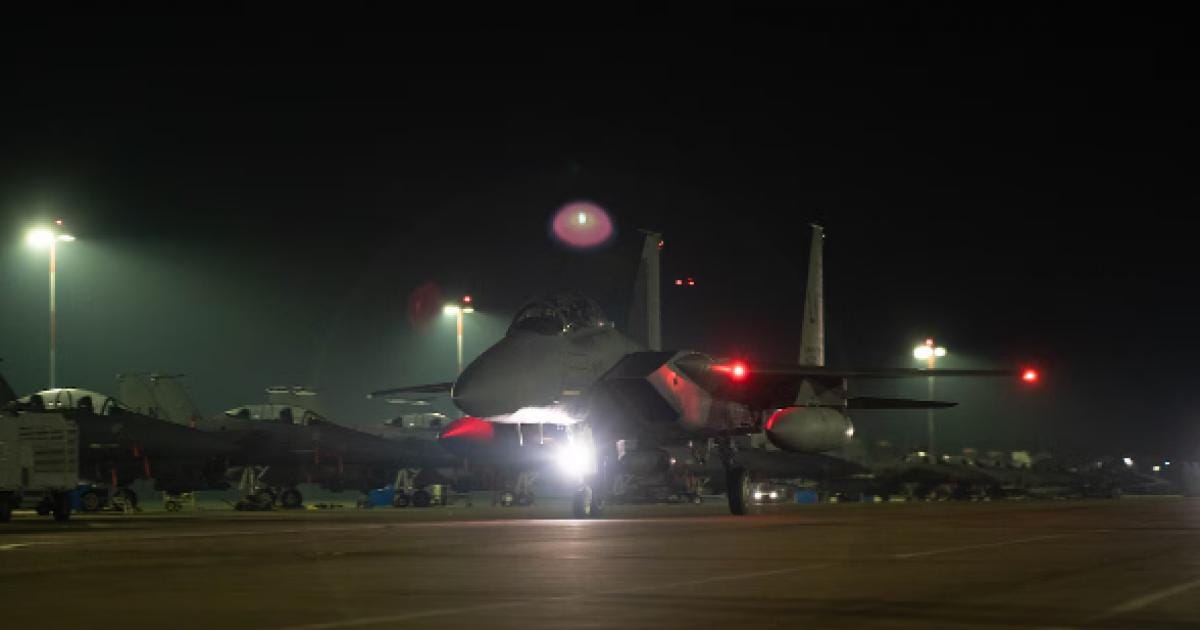
What elevated this local incident to an international data point was the subsequent digital tracking effort. Thousands of individuals across the globe turned to online flight tracking platforms to monitor the aircraft believed responsible. Reports indicate that a US Air Force jet, operating in the vicinity, became the subject of intense digital scrutiny.
Flight tracking data revealed an extraordinary level of public interest. More than 5,400 people concurrently monitored the specific aircraft as it reportedly circled over the city of Norwich. This intense focus momentarily placed the plane among the most-tracked assets worldwide on those aviation monitoring services.
Why This Matters: Defense Posture and Public Awareness
The incident, while likely routine military activity, speaks volumes about the current intersection of military operations, public surveillance technology, and geopolitical sensitivity. The fact that a sonic boom—a byproduct of an aircraft exceeding the speed of sound—causes immediate alarm underscores heightened public awareness regarding air security.
The presence of US Air Force assets operating near established NATO bases in the UK points to ongoing collaborative defense exercises or deployments. These activities are essential for maintaining collective security postures, particularly in the current climate of elevated geopolitical tensions across Europe.
The Role of Civilian Surveillance Technology
The use of doorbell cameras is increasingly turning private residential infrastructure into impromptu, citizen-run incident reporting networks. These devices provide undeniable, time-stamped evidence of sonic events, bypassing the delay often associated with official reporting channels. This rapid documentation cycle forces a quicker public response and analysis.
Furthermore, the mass tracking on services like Flight Radar demonstrates a public hunger for transparency regarding military movements. When such an unavoidable event occurs, the public defaults to digital tools to seek immediate answers regarding origin, type, and intent of the aircraft involved.
Connecting to Broader Trends: Aviation, Security, and Data Volume
This specific event mirrors a broader international trend: the rapid socialization of military air movements. During periods of conflict or heightened readiness elsewhere, the frequency of military flights near civilian centers often increases, leading to greater public scrutiny.
The sheer volume of tracking—over 5,400 users—is significant. It illustrates how readily available, accessible data platforms can amplify the reach of a localized incident. A low-flying or supersonic flight path near a population center transforms from a technical training exercise into a globally observable data event within minutes.
The necessity for air forces operating near sovereign territory to communicate operational parameters becomes paramount. Unexplained loud noises coupled with visible or trackable military aircraft can lead to unnecessary public alarm, diversion of emergency services, and even misinformation spread online.
The Economic and Social Cost of Unreported Activity
While the immediate impact was auditory, the sustained public interest has an ancillary effect. It reflects a society highly attuned to defense movements, driven partly by global news cycles and partly by increased local military cooperation or basing arrangements.
The RAF bases situated across Norfolk, Suffolk, and Lincolnshire are crucial components of the UK’s air defense network, often hosting allied forces like the USAF for joint training. These operations, designed for preparedness, invariably risk startling local populations accustomed to quieter skies.
A Look Ahead: Managing Perception in an Age of Transparency
Moving forward, incidents like the Norwich sonic boom will likely become more common as joint exercises ramp up across NATO nations. The challenge for defense ministries and collaborating air forces will be managing public perception effectively.
This requires a proactive approach to communication. Where possible, pre-warning systems regarding scheduled supersonic training runs—even broad regional advisories—could mitigate the shock experienced by residents captured on their home security systems.
The digital trail left by this single event—the doorbell cam footage and the flight tracker logs—provides valuable data not just for aviation analysts, but for public relations strategists. They demonstrate precisely when, where, and how the public seeks information when the skies above them produce unexpected turbulence.
Ultimately, the sonic boom over Norfolk serves as a potent reminder that in the modern landscape, military operational security now contends with the instantaneous, global reach of civilian technology. The sky is no longer the sole domain of official observation; it is now shared ground for thousands of digital spotters.