The Deluge Descends: California Drowning in Elite Neglect
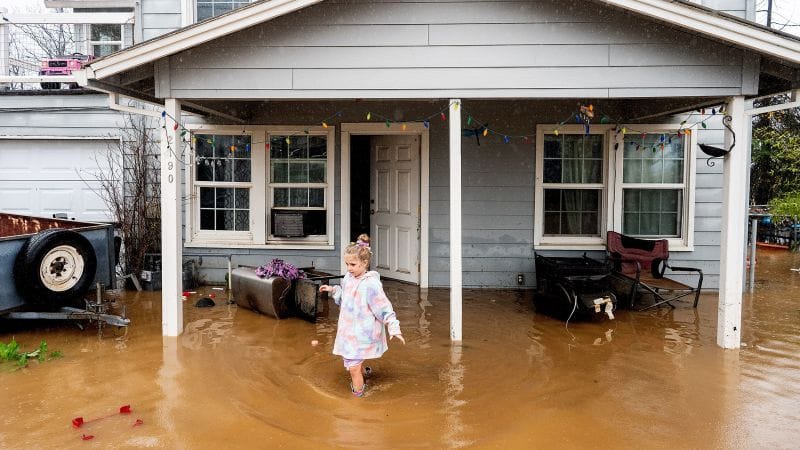
So, Southern California is getting absolutely hammered. Not just a bit of rain, mind you. We’re talking about a full-blown, biblical downpour, an atmospheric river dumping water like there’s no tomorrow. And what are the headlines screaming? Flooding. Evacuations. ‘High risk’ of… well, of everything going sideways. It’s almost poetic, isn’t it? The very land that beckons the world with its sunshine and promise is now being swamped, choked by mud, and threatened by rising waters. This isn’t just some random weather event; this is a stark, undeniable symptom of years of neglect and misguided priorities. (Seriously, who’s been minding the store?)
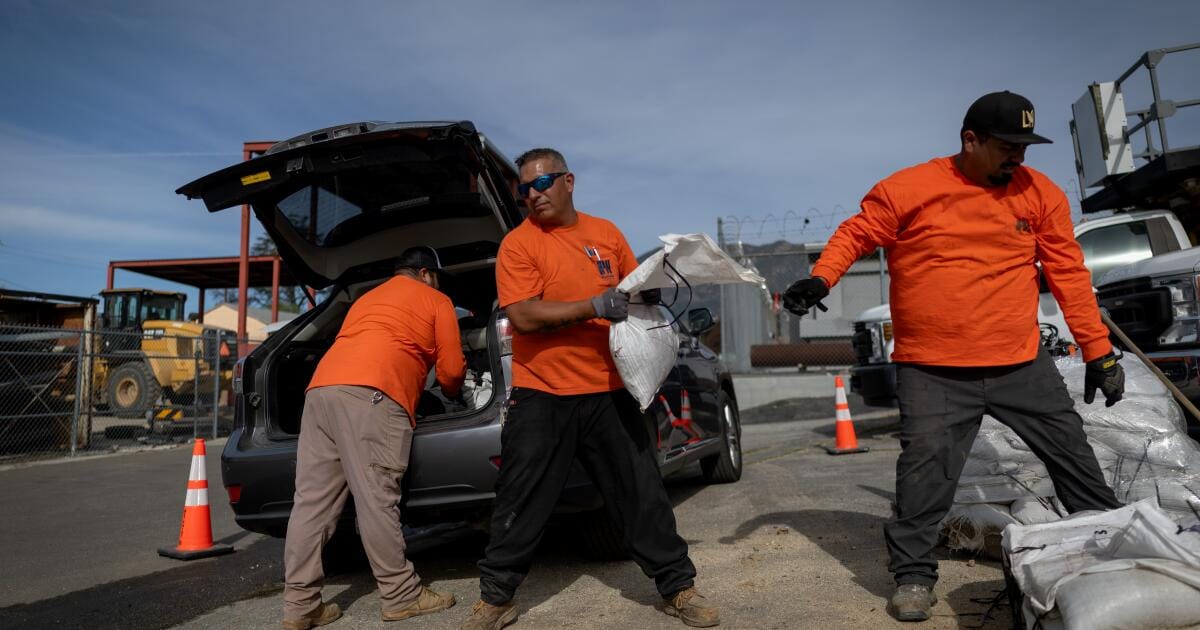
They’re talking about ‘record rainfall.’ You know what else is at record levels? The audacity of the people who are supposed to be looking out for us, completely dropping the ball. We see the images, don’t we? Cars submerged, homes threatened, families scrambling to get out with whatever they can carry. And all the while, the powers-that-be are probably drawing up press releases about ‘resilience’ and ‘infrastructure investment’ – vague platitudes that don’t keep a single roof from leaking or a single road from washing away. It’s infuriating. This is the ‘high risk’ they warned about, a risk that always seems to disproportionately impact the working folks, the ones who can’t afford to build a moat around their mansions.
The Storm Within the Storm: A Legacy of Oversight
This isn’t a new story for California. We’ve seen droughts that bake the land to a crisp, followed by deluges that try to wash away what little is left. It’s a cycle, a cruel pendulum swing that highlights a fundamental failure to manage our resources, to prepare for the inevitable. We talk about climate change, and yes, that’s a massive piece of the puzzle, a terrifying force multiplier. But let’s not pretend this is solely Mother Nature acting up. This is nature amplified by human folly. Decades of allowing unchecked development in flood plains, of underfunding crucial infrastructure like dams and levee systems, of prioritizing short-term economic gains over long-term environmental and human safety – that’s the real architect of this disaster. (The developers probably have beachfront property now, right?)
Think about it. We’re a state that’s supposed to be on the cutting edge, a global leader. Yet, when it comes to basic preparedness for natural disasters, we’re often caught with our pants down. Why? Because the money, the real money, flows to projects that look good on paper, that line the pockets of the connected, not to the unglamorous but vital work of reinforcing our defenses against the elements. We’re told to ‘prepare,’ to have our ‘safety tips’ ready. That’s fine for individuals, but it’s a deflection. It puts the onus on the little guy when the systemic failures are so glaringly obvious. The ‘safety tips’ should start with holding accountable those who have failed to secure our communities.
And the debris flows? That’s the terrifying byproduct of wildland fires – another disaster we seem perpetually unable to get under control. Burned-out hillsides, stripped bare of vegetation, become treacherous slopes when the rains hit. They become literal mudslides, capable of swallowing entire neighborhoods. We fight fires with one hand and then deal with the floods and mud with the other, all while the same underlying issues – mismanagement, underfunding, and a lack of political will – continue to fester. It’s a vicious, self-inflicted cycle. (They should rename it ‘Disaster Capitalism’.)
Beyond the Rain: The Economic Fallout and the Populist Fury
The immediate impact is, of course, devastating for those directly affected. Homes destroyed, businesses ruined, lives upended. But the ripple effect extends far beyond the inundated neighborhoods. Insurance claims will skyrocket, potentially straining an already fragile market. Infrastructure repairs will cost billions, money that could have been invested in preventative measures if we had been smarter, more farsighted. The supply chains could be disrupted, leading to shortages and price hikes for everyday goods. This isn’t just a weather story; it’s an economic story, a story of how vulnerability is manufactured by policy choices.
And this is where the real anger simmers. People see their livelihoods threatened, their safety compromised, and they look up. They see the politicians making pronouncements, the wealthy elites in their unaffected enclaves, and they feel a profound sense of abandonment. This storm, this deluge, it’s not just water; it’s a catalyst for anger, for a demand for real change. The ‘holiday storm’ narrative? It’s a slap in the face to those whose holidays are ruined, whose lives are in chaos. It trivializes a crisis born from decades of neglect. (Does anyone remember what a normal holiday even feels like?)
The Future Drenched in Uncertainty
What does this mean for the future? If we don’t fundamentally change our approach, it means more of the same, only worse. Climate change isn’t going to slow down. Population growth and development pressures aren’t going to magically disappear. If we continue to build in vulnerable areas, if we continue to neglect our infrastructure, if we continue to prioritize profit over safety, then these extreme weather events will become the norm. We’ll be in a constant state of crisis management, always playing catch-up, always dealing with the aftermath rather than preventing the disaster.
The ‘rare’ high risk of flooding? It won’t be rare for long. It will be Tuesday. It will be another holiday. It will be the new normal unless we demand accountability. Unless we vote for leaders who understand that protecting communities isn’t a partisan issue, it’s a survival issue. Unless we invest in the infrastructure, the planning, and the resilience that will actually make a difference. We need a populist uprising against the complacency that has brought us to this point. We need to tell the elites, the developers, the politicians who have failed us, that enough is enough. This deluge is a warning. We can either heed it, or we can continue to drown in the consequences of our collective inaction. (And honestly, who wants to keep swimming in this mess?)
The media will spin it, of course. They’ll focus on the heroic rescues, the picturesque flooded streets (for a day or two), and then move on to the next shiny distraction. But for the people on the ground, the scars will remain. The fear will linger. And the question will echo: When will they finally listen? When will they finally act? Until then, we’re all just waiting for the next storm, and wondering if we’ll be left to fend for ourselves once again. (It’s a gamble nobody should have to take.)