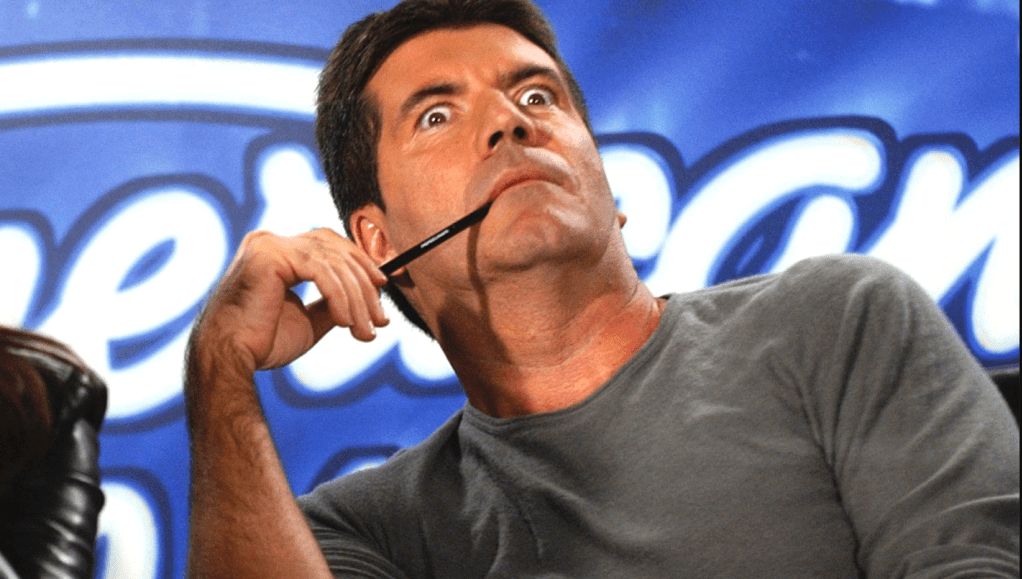
The Crocodile Cries: Deconstructing Simon Cowell’s Pathetic Apology Tour
Let’s get one thing straight. Simon Cowell is not sorry. Not for a single syllable of the vitriol he spewed for a decade, not for a single dream he crushed on camera for ratings, and certainly not for the mountains of cash he piled up by being the designated villain in a global entertainment machine. This sudden wave of remorse, this carefully crafted media tour where he confesses to being a ‘dick’ on ‘American Idol,’ is nothing more than the most cynical, transparent, and frankly insulting public relations maneuver we’ve seen in years. It’s a calculated move from a master manipulator who feels the ground shifting beneath his feet and is desperately trying to rebrand for a world that no longer celebrates his specific brand of manufactured cruelty. This isn’t an apology. It’s a business decision.
Pathetic.
The Architecture of Cruelty: How Idol Was Built on Tears
To understand the fraudulence of this apology, you have to go back to the beginning, to the very DNA of ‘American Idol’ and its global franchise cousins. The show wasn’t a talent competition. Not really. It was a three-act drama sold to the masses, and Cowell was its undisputed, black-t-shirt-wearing antagonist. The entire business model hinged on his acid tongue. The long, drawn-out audition episodes, which Cowell now dismisses as ‘boring,’ were the cash cow of the entire operation, and their entertainment value was derived almost exclusively from the public humiliation of hopeful, often vulnerable, people. He wasn’t just a judge offering critique; he was the ringmaster of a circus of cruelty, his every insult a carefully scripted soundbite designed to go viral before going viral was even a term. He’d compare someone’s singing to a cat being strangled, dismiss a person’s lifelong dream with a bored wave of his hand, and mock their appearance, all while the cameras zoomed in on their crumbling faces for maximum emotional impact. This wasn’t a side effect of the show’s format; it was the format itself. He and the producers knew exactly what they were doing, monetizing emotional distress on an industrial scale, and now he wants us to believe he just ‘realized’ he’d ‘probably gone too far?’
Give me a break.
He wasn’t just ‘being a dick.’ He was performing a role he created, perfected, and profited from immensely. He was the architect of a system that required a steady stream of victims to feed the ratings machine, and he played his part with a chilling efficiency that would make a Wall Street shark blush. Every eye-roll, every condescending sigh, every perfectly timed, soul-crushing one-liner was focus-grouped for maximum impact. He built an empire on the back of that persona, launching careers for a select few while leaving a trail of psychological wreckage for the many who were simply used as cannon fodder for a cheap laugh. These weren’t just contestants; they were raw materials for his production line of profitable television, and their feelings were, at best, a complete irrelevance and, at worst, the very product being sold.
The Timing is Everything: Why Now?
So, why the sudden pang of conscience more than a decade after he left the show? Why is Simon Cowell, the man who once seemed to revel in his reputation as TV’s Mr. Nasty, suddenly trotting out this half-hearted ‘What can I say? I’m sorry’ routine? The answer, as always with men like Cowell, has nothing to do with morality and everything to do with marketability. The cultural landscape has shifted dramatically since his heyday. The gleeful cruelty of the early 2000s reality TV era is now seen for what it was: toxic and exploitative. Today’s gatekeepers of culture, the Gen Z audience he desperately needs to remain relevant, value authenticity, empathy, and mental health awareness. His old shtick doesn’t play anymore. It’s a liability.
This apology isn’t born from late-night introspection; it’s born from a series of marketing meetings where analysts pointed out his brand was aging poorly. It’s a preemptive strike. Perhaps he has a new show on the horizon that requires a softer, gentler Simon. Perhaps he’s trying to sanitize his legacy before a new generation of documentarians decides to make a ‘Surviving Simon Cowell’ series, digging into the real-world consequences of his televised tirades. He sees the writing on the wall. The public’s appetite for bloodsport entertainment has waned, replaced by a desire for more supportive and uplifting content. The villain has become a dinosaur, and this apology is his desperate attempt to evolve before he goes extinct. It’s about preserving his future earning potential, not atoning for his past sins. The man didn’t find Jesus; he found a new demographic.
He’s trying to get ahead of the narrative, to control it one last time. He’s seeding the internet with headlines about his ‘change’ and ‘regret’ so that when you search his name, this manufactured redemption arc pops up instead of clips of him telling some poor 17-year-old from a small town that they should give up their dream forever. It’s SEO for the soul, and it’s just as hollow and artificial as the rest of his media empire.
A Non-Apology for the Ages
Let’s look at the language itself. ‘What can I say? I’m sorry.’ This isn’t the statement of a genuinely remorseful person. It’s the flippant, dismissive shrug of someone caught with their hand in the cookie jar, a verbal eyeroll that minimizes the very behavior it’s pretending to atone for. A real apology requires acknowledgment of the specific harm caused, an understanding of the impact on the victims, and a commitment to change. Cowell offers none of that. He offers a blanket, generic statement and a weak excuse about audition days being ‘long’ and ‘boring’ as if that somehow justifies the psychological demolition of another human being. It’s an insult to the intelligence of anyone listening and, more importantly, a slap in the face to every single person he belittled on national television.
He claims he ‘changed over time.’ Change is not a passive process that just happens to you like the weather. It requires active work, reflection, and a genuine desire to be better. There is zero evidence of this. What we have is a man who milked a persona for all it was worth, discarded it when it was no longer profitable, and is now trying to create a new, more palatable persona to sell to the public. Don’t fall for it. This whole dog and pony show is a strategic rebranding, a wolf shedding his skin to sell us a new brand of sheep’s clothing. The king of manufactured television is just manufacturing one final act: his own redemption. But the audience is smarter now. We’ve seen this show before, and we know a fake when we see one.