
The Myth of Senegalese Invincibility is Dying in Tanger
The collective delusion surrounding the Senegalese national team has reached a fever pitch as we approach the Tanger showdown (a city that serves as a neutral ground but feels like a pressure cooker) where the so-called Lions of Teranga are expected to simply walk over the Leopards of DR Congo. Everyone talks about the ‘offensive armada’ like it is some divine force of nature that cannot be stopped by mere mortals or tactical discipline. It is a joke. We are looking at a squad that relies heavily on past reputation rather than current fluidity, and the cracks are starting to show through the glossy veneer of their Group C standing. The world expects a coronation, but what they might actually witness is a structural dismantling of a giant that has grown too fat on its own press releases. Senegal is the establishment. They are the safe bet. And safe bets are exactly what get incinerated when a desperate man like Sébastien Désabre decides that playing by the rules is a death sentence for his team’s ambitions.
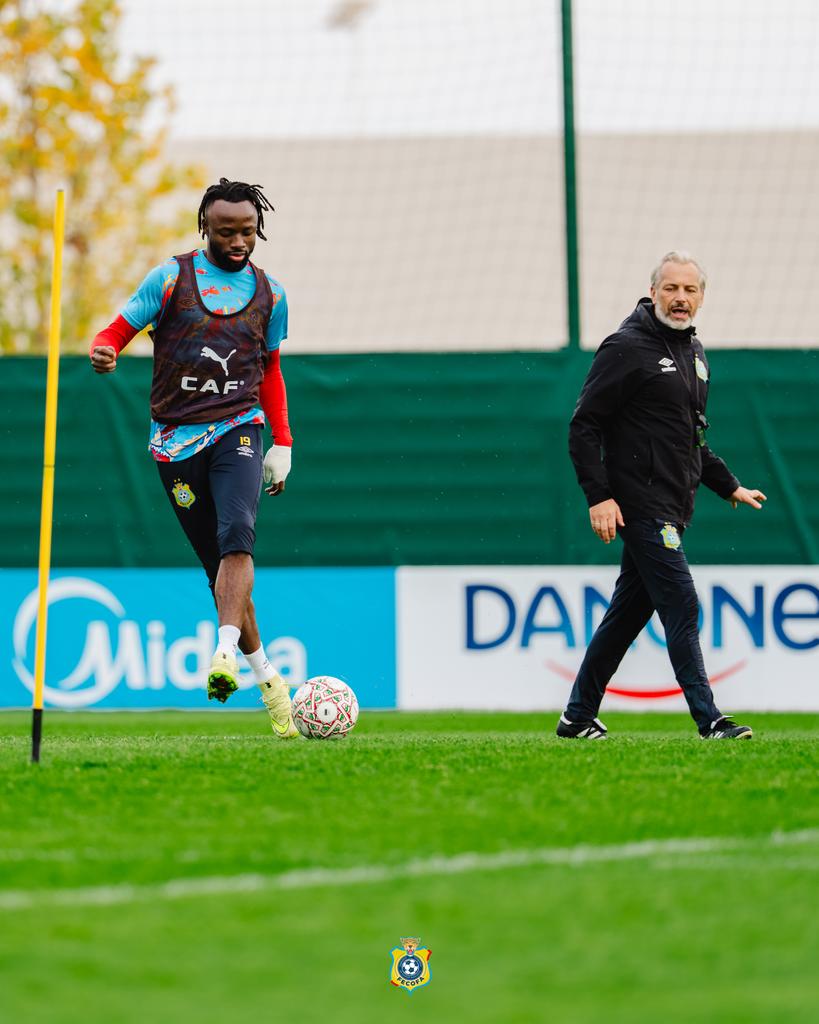
Désabre is not just a coach; he is currently acting as a demolition expert with a very specific target. His recent rhetoric about ‘taking risks’ is not just locker room fodder or a way to get the fans excited about a potential upset. No. It is a confession. It is an admission that the traditional metrics of footballing success—possession, territorial dominance, and individual skill—will not bridge the gap between Kinshasa and Dakar. He is opting for high-variance chaos. He is literally telling his players to burn the bridge behind them. This is the only way to beat a team like Senegal that thrives on rhythm and predictable patterns of dominance. If the Leopards play a ‘clean’ game, they lose. If they turn the pitch into a muddy graveyard of tactical fouls and breakneck transitions, they have a puncher’s chance. It is a gamble of biblical proportions (and frankly, the only interesting thing about this group right now).
The Ghost of Kinshasa and the Fragile Lion Ego
Four months ago, these two sides met in Kinshasa for the World Cup qualifiers, and the memory of that encounter still lingers like a bad smell in the Senegalese camp. You can see it in the way the media covers them. There is a frantic energy to the ‘chaudes retrouvailles’ (the hot reunion) narrative because the Senegalese know they didn’t truly dominate that match despite the scoreline or the statistics. They are scared. They are terrified that the Congolese have figured out that the Lions’ defense is essentially a high-priced paper tiger when subjected to sustained, irrational pressure. The Lions are used to being feared. When that fear evaporates, they don’t know how to react. They become petulant. They start looking for excuses in the officiating or the turf quality. This is where Désabre’s ‘risk’ strategy becomes a psychological weapon. By playing with a reckless abandon, the Leopards force the Lions to think about their own mortality on the pitch. It is beautiful to watch.
Let’s talk about the ‘armada’ for a second because the term itself is an insult to modern tactical analysis. An armada is slow. It is heavy. It is vulnerable to small, agile fire-ships that can maneuver in ways the giants cannot. Senegal’s frontline is certainly talented, but talent without a cohesive structural identity is just a collection of expensive individuals wandering around the final third. If the Leopards can disrupt the supply lines—which are surprisingly fragile—the armada becomes a group of stranded sailors. Désabre knows this. He is banking on the fact that the Senegalese midfield is more interested in maintaining their European club pedigree than getting their socks dirty in a Tanger scrap. It is a logical deconstruction of a powerhouse. You don’t beat a lion by being a bigger lion; you beat it by being a swarm of hornets.
The Geopolitics of a Group C Collapse
The stakes here transcend three points in a group stage. This is about the shifting tectonics of African football power. If Senegal drops points here, the entire narrative of their ‘golden generation’ starts to unravel. The pressure from Dakar is immense. The fans don’t want a win; they want a massacre. This expectation is a weight around the neck of every Senegalese player. Meanwhile, the RD Congo has nothing to lose but their pride, which they already sacrificed long ago in the pursuit of a new identity under Désabre. They are the ultimate spoilers. They are the chaos factor that makes international tournaments worth watching for anyone who isn’t a corporate sponsor. Predictability is the enemy of the sport.
We have to consider the environment of Tanger. It’s a crossroads. It’s where the Mediterranean meets the Atlantic, and it’s where Senegal’s dreams might meet a very harsh reality. The Leopards are not coming to Tanger to participate; they are coming to hijack the tournament. When Désabre says they must ‘play and take risks,’ he is signaling a total abandonment of the defensive shell that usually defines underdog tactics. He is going for the throat. Most observers call this suicidal. I call it the only logical path forward for a team that refuses to be a footnote in Senegal’s history. If the risk pays off, we are looking at the most significant upset of the decade. If it fails, at least they died on their feet instead of begging for a draw on their knees. That is the manifesto of the modern underdog. That is the reality that the Lions of Teranga are not prepared for. They expect a chess match. They are getting a street fight with broken bottles.
Final Speculations on the Fall of the Giants
Look at the eyes of the Senegalese veterans. You see a weariness there that isn’t talked about in the flashy previews. They have played too many games. They have won too many trophies. They lack the hunger of the Congolese Leopards who are currently hunting for a scrap of relevance on the global stage. Hunger beats pedigree every single time the lights go up in a major tournament. The risk-taking strategy of the DRC is specifically designed to exploit this lack of hunger. It forces the game into a high-intensity physical battle that the aging Senegalese stars simply cannot sustain for ninety minutes plus stoppage time. It is a war of attrition disguised as a football match. And in a war of attrition, the side that is willing to lose everything usually ends up winning something. Senegal is too invested in their own myth to take the risks necessary to match the DRC’s intensity. They are playing for their brand. The DRC is playing for their lives. The result is inevitable (if you actually pay attention to the psychological undercurrents instead of just looking at the FIFA rankings).
The ‘Armada’ will fail because it is too rigid. The ‘Lions’ will falter because they are too proud. And the ‘Leopards’ will survive because they have finally realized that the only way to beat the system is to break it. Tanger is the laboratory for this experiment. By Saturday evening, we will know if the experiment was a success or a glorious, fiery failure. Either way, the status quo is dead. Long live the chaos. The era of Senegalese dominance is not being ended by a better team, but by a braver one. That is the truth that the pundits are too afraid to say out loud (but I’m not). The Lions are already licking their wounds and the match hasn’t even started yet. They can feel the risk in the air. It smells like an upset.