A New Front in the Culture War: Snipers on the Roof and Divisions Inside
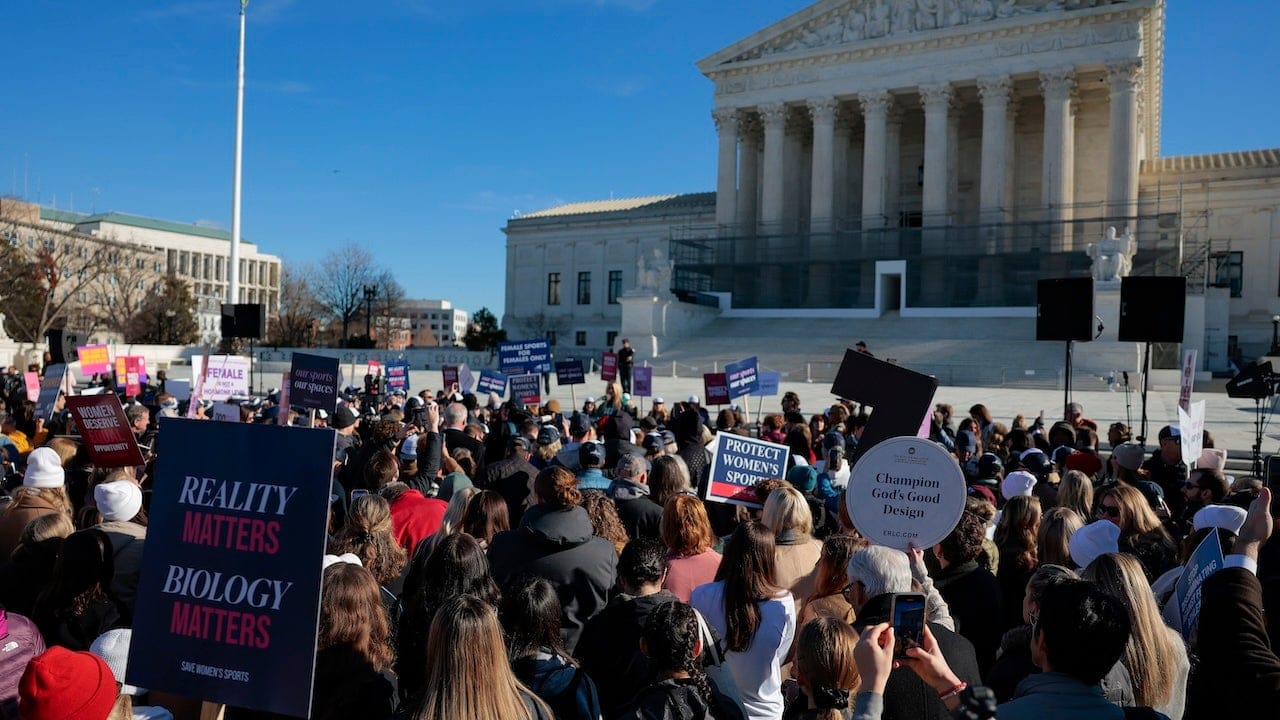
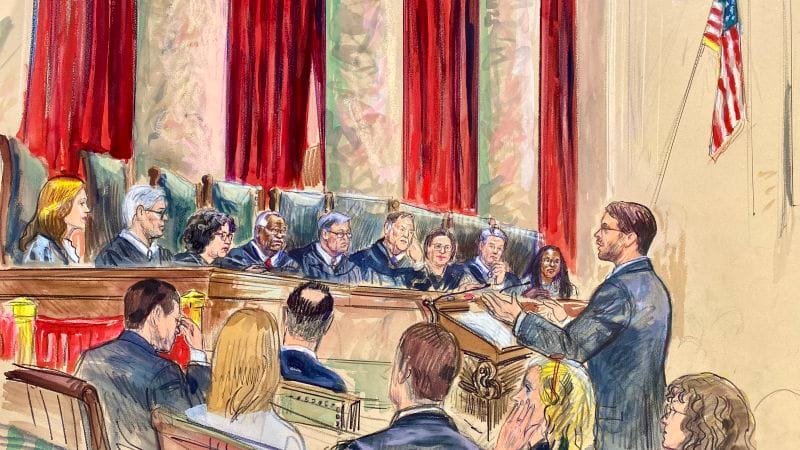
WASHINGTON – The scene at the U.S. Supreme Court on Tuesday was a stark illustration of the deep cultural divisions currently gripping the nation. While inside, justices engaged in a marathon session over whether states may ban transgender women from participating in women and girls’ sports, outside, the air of tension was palpable.
Trained military snipers stood guard on the roof of the marble building, a silent testament to the high-stakes nature of the debate being held within its walls. The increased security underscored a reality that has become commonplace in contemporary American political life: major decisions concerning fundamental rights are now often accompanied by threats of civil unrest.
This atmosphere was mirrored in the “verbal battle” waged by groups outside the court. An alliance of women, clearly articulating their stance on biological sex, wore shirts emblazoned with the message “XX-XY.” This visual marker represented a core argument in the controversy: that biological sex differences are immutable and relevant in contexts requiring fairness, specifically in athletics. This group stood in stark opposition to others advocating for inclusion and non-discrimination based on gender identity, a conflict that has come to define a significant portion of the ongoing culture war.
The Core Conflict: Fairness vs. Inclusion
The core issue before the justices represented a complex intersection of civil rights law, sports regulations, and evolving social norms. The debate over transgender participation in sports has become a flashpoint for broader disagreements about the meaning of gender identity and biological sex in public life. Proponents of state-level bans argue that allowing transgender women to compete in female categories undermines fairness for cisgender women, citing average biological advantages in strength, height, and bone density that persist even after hormone therapy. For many advocates, the integrity of women’s sports as a distinct category, protected by Title IX, is at stake.
Conversely, advocates for inclusion argue that these bans are discriminatory and violate principles of equal protection. They emphasize that transgender women have the right to participate in sports consistent with their gender identity. From this perspective, the bans perpetuate discrimination against a vulnerable minority group and deny them the social and physical benefits of athletic participation. The legal arguments presented often center on interpreting existing anti-discrimination laws and determining whether they apply to gender identity in the context of sports.
Looking Beyond Today’s Arguments
As the marathon session progressed, a key observation emerged regarding the judiciary’s approach: some justices were already looking ahead to the next phase of the culture war. While the immediate focus was on sports bans, justices were reportedly considering broader implications. According to reports from the hearing, both Justice Brett Kavanaugh and Chief Justice John Roberts were already looking ahead to the next major transgender controversy.
This focus suggests that the Supreme Court understands that the current case is likely just one piece of a much larger puzzle. The legal landscape surrounding transgender rights is rapidly evolving, with ongoing disputes related to gender-affirming healthcare access for minors, bathroom access in public spaces, and definitions of gender in legal documents. By looking ahead, Kavanaugh and Roberts may be signaling a desire to avoid making a ruling that is too broad or too narrow, which could create further legal uncertainty in subsequent cases.
The Future of Gender Identity in Law
The SCOTUS hearing on transgender athletes is more than just a debate about sports; it is a critical turning point in the legal and social framework surrounding gender identity in America. The presence of military snipers and the impassioned rhetoric of groups outside the court underscore the profound significance of this issue. As the legal system attempts to reconcile competing definitions of fairness and equality, the outcome of this case will set precedents that reverberate far beyond the athletic field, shaping how society approaches non-discrimination and biological sex for generations to come.