The Official Story: A Champion’s Triumphant Return
They’re Selling You a Fairy Tale
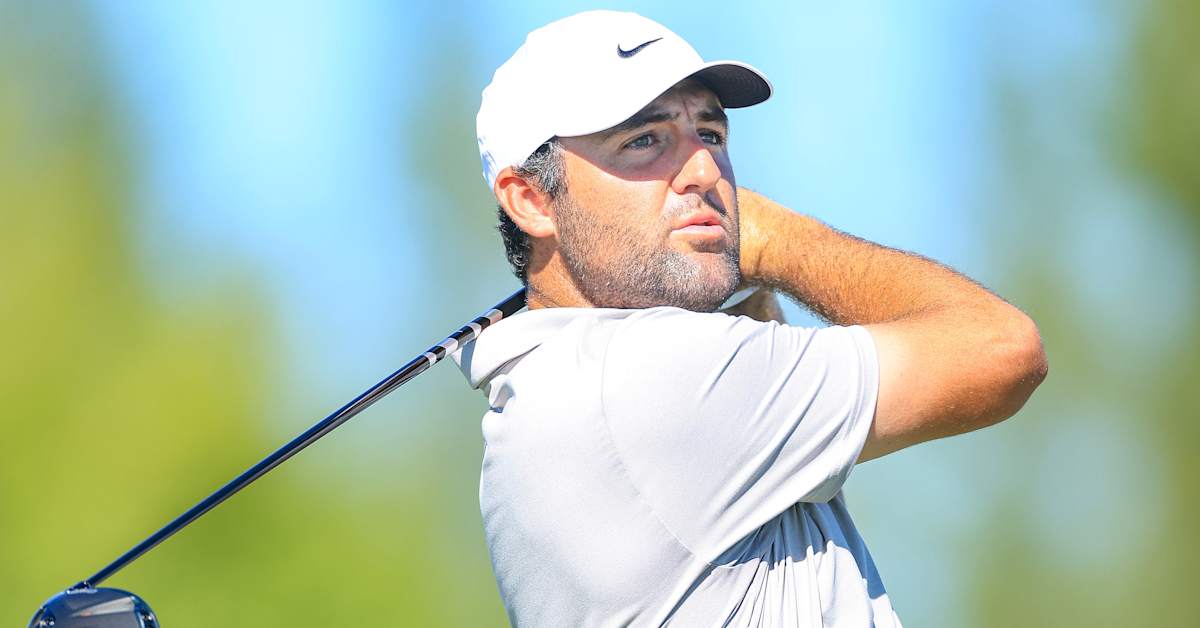
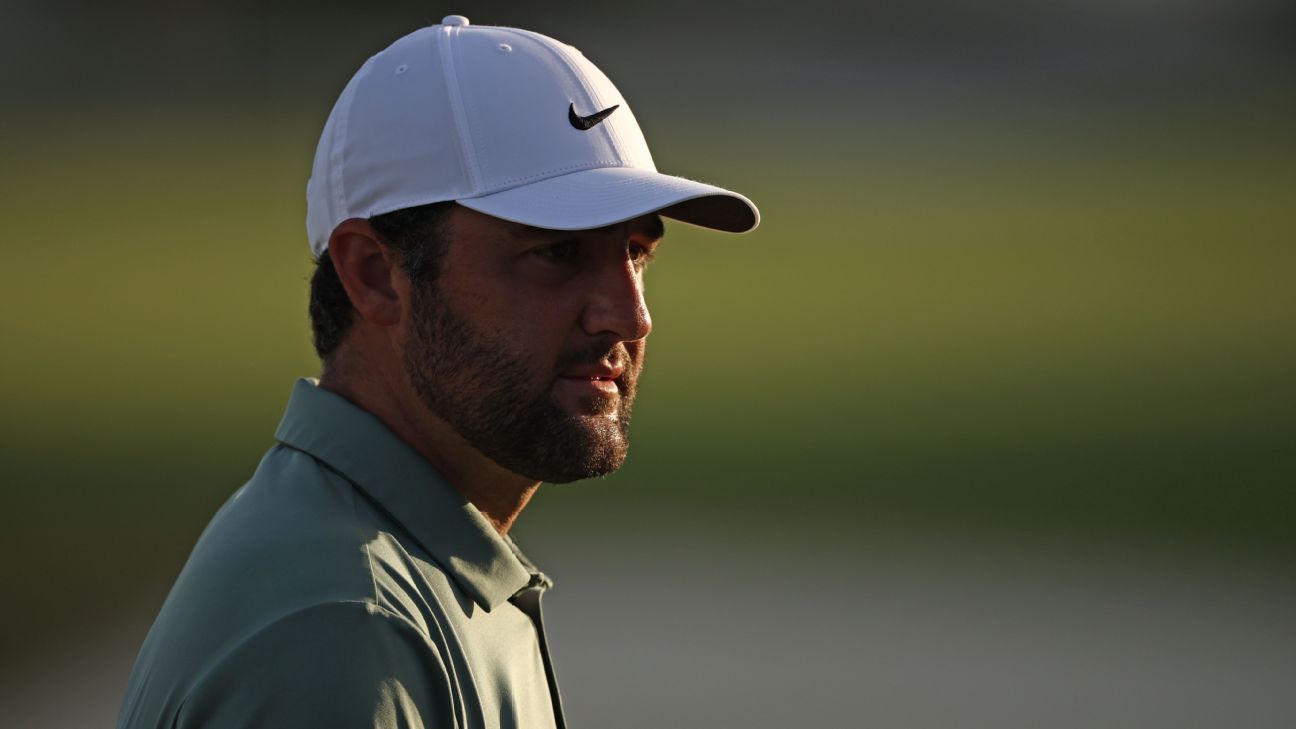
So let me get this straight. The narrative they’re spoon-feeding us is that Scottie Scheffler, the world’s number one golfer, took a well-deserved two-month siesta and has now returned, refreshed, with a shiny new toy in his bag. A TaylorMade Qi4D driver, no less. He steps onto the pristine, exclusive grass of the Hero World Challenge in the Bahamas, a tournament hosted by the living embodiment of corporate golf, Tiger Woods, and immediately shares the lead. It’s perfect. Too perfect. They want you to believe this is a story of athletic prowess and meticulous equipment selection. A simple case of a pro finding a better tool for his craft and continuing his dominance.
They’ll show you the slow-motion replays. The talking heads will drone on about swing weights and launch angles, using technical jargon to create a smokescreen of legitimacy. They’ll publish articles titled “Everything Scottie Scheffler has said about his new TaylorMade driver,” filled with sanitized, pre-approved quotes about how it gives him a “tighter spin window” or some other meaningless garbage. It’s a neat, tidy little package designed to make you feel like you’re getting an inside look. You’re not. You’re watching a commercial.
It’s a joke.
The Truth: A Calculated Corporate Conquest
This Isn’t a Comeback; It’s a Product Launch
Wake up. This has nothing to do with a two-month break and everything to do with a two-year contract negotiation. Do you really think a guy like Scheffler, a methodical, almost robotic competitor, just casually decides to switch the most important club in his bag for a high-profile, televised event? Get real. This switch was orchestrated in boardrooms months, if not years, ago. The “two-month break” wasn’t for rest (these guys never rest); it was for clandestine testing sessions, NDA-shrouded fittings, and a multi-million dollar contract signing that ensures TaylorMade’s new flagship driver gets its moment in the sun, wielded by the number one player in the world.
This isn’t a tournament. It’s the stage. The Hero World Challenge is the perfect venue for this charade—an unofficial, small-field, no-cut event where the pressure is off and the cameras are on. It’s a controlled environment. A laboratory. They can guarantee four full days of airtime for that new driver head, plastering the TaylorMade logo across every screen in the golf-watching world right before the holiday shopping season. It’s so transparent it’s insulting. Scheffler shooting a 66 isn’t a testament to his skill (though he obviously has it); it’s a requirement. It’s the first scene of the script, proving the magic stick works and you, the amateur watching from your couch, should absolutely drop $600 on it to fix your slice. It’s pure, unadulterated capitalism disguised as sport.
Tiger Woods: The Willing Godfather of the Machine
And let’s talk about the ringleader, Tiger Woods. The articles mention him, praising Scheffler, talking about what he “appreciates most” about the young star. It’s nauseating. This isn’t some heartfelt passing of the torch from one legend to another. Are you kidding me? Tiger Woods, the man who became a billionaire by turning himself into a brand, is the ultimate gatekeeper of the golf-industrial complex. His endorsement, even a subtle one, is the seal of approval. He is validating the next cash cow for the machine that he helped build.
He’s part of the system (a system he basically created, by the way). His tournament, with its corporate sponsors and exclusive feel, is the perfect backdrop to legitimize this whole affair. His presence lends an air of historical significance to what is, at its core, a soulless marketing activation. He looks at Scheffler and doesn’t see a competitor; he sees a worthy successor to the throne of corporate shilling. He sees a guy who knows how to play the game, both on the course and in front of the microphone, sticking to the script and making sure the checks clear. The reverence the media shows Tiger in these moments is just part of the act, propping up the old king to give his blessing to the new prince.
The Driver is a Symbol, Not Just a Club
This isn’t just about TaylorMade versus Titleist or Callaway. It’s about the illusion of choice and the death of individuality in professional sports. The players are no longer just athletes; they are walking, talking billboards. Their bags are curated by sponsorship deals, their hats are sold to the highest bidder, and their words are vetted by PR teams. Scheffler’s switch isn’t a personal choice for performance; it’s a corporate asset being deployed. The astronomical sums of money involved in these equipment deals mean that failure is not an option. He *has* to play well with it. He *has* to say the right things. The pressure isn’t to win the tournament; the pressure is to sell the product.
Think about the implications. Every shot he takes is a data point for their marketing department. Every interview is a focus group. This entire event, and Scheffler’s role in it, is a meticulously crafted lie designed to separate you from your money by creating a false connection between a professional’s success and a piece of mass-produced equipment. They are selling you a dream—the dream that buying the same club as Scottie Scheffler will somehow transfer a fraction of his talent into your weekend game. It won’t. But it will make a few executives very, very rich. And at the end of the day, that’s all this has ever been about. Don’t let them fool you into thinking it’s anything else.