THE SPY PLOT THAT WENT DOWN THE DRAIN BECAUSE OF VODKA
Let’s cut through the noise, shall we? Because the real story here isn’t the complex, 18-month-long operation Ukraine’s Security Service (SBU) cooked up; it’s the mind-boggling, almost comical way it nearly fell apart at the finish line. We’re talking about a massive, high-stakes bombing run on a Russian military installation—Operation Spiderweb—that had been meticulously planned since before most people even knew what a Z-symbol was. And what stopped it? A couple of bozos who got drunk on the job, apparently. You simply cannot make this stuff up.
This isn’t some Hollywood blockbuster where a perfect plan unfolds seamlessly. This is real-world espionage, where things go sideways for the most mundane, human reasons imaginable, and this specific incident, which involved drunk truck drivers and a subsequent delay of the entire operation, really pulls back the curtain on the chaotic reality behind the high-gloss headlines. Think about it: an 18-month deep-cover operation, a logistical nightmare of moving explosives and equipment, all hinging on a specific timeline that got completely derailed because someone decided to have too many shots of something strong on a Tuesday night. It’s baffling incompetence mixed with sheer absurdity, and it makes you wonder just how fragile these elaborate intelligence plots truly are when you introduce the human variable.
The Phantom Couple and the Web of Deceit
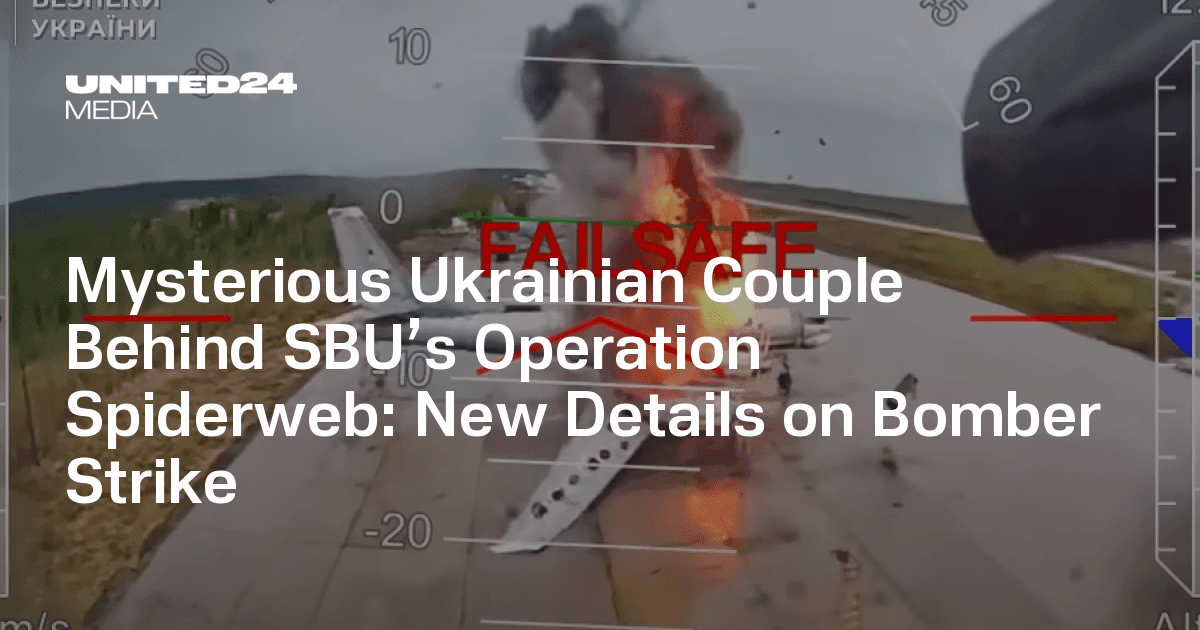
Now, let’s talk about this mysterious couple mentioned in the reports. The SBU loves its mystique, doesn’t it? They’ve got these shadowy figures, described in whispers, who supposedly orchestrate these deep-strike missions. The idea of a couple—a domestic partnership turned deadly espionage duo—is almost too perfectly cinematic. Are they really a couple? Or is it just clever cover? Either way, the image of this pair, referred to as the masterminds of Operation Spiderweb, suggests a level of intricate planning that goes beyond standard military procedure. The SBU isn’t just about blowing things up; they’re about psychological warfare and creating a narrative of ubiquitous, almost supernatural capabilities. They want Russia to believe there are agents everywhere, in every city, in every apartment building, watching and waiting. This couple, whether real or a composite, serves that purpose perfectly, turning a basic act of sabotage into something out of a pulp novel.
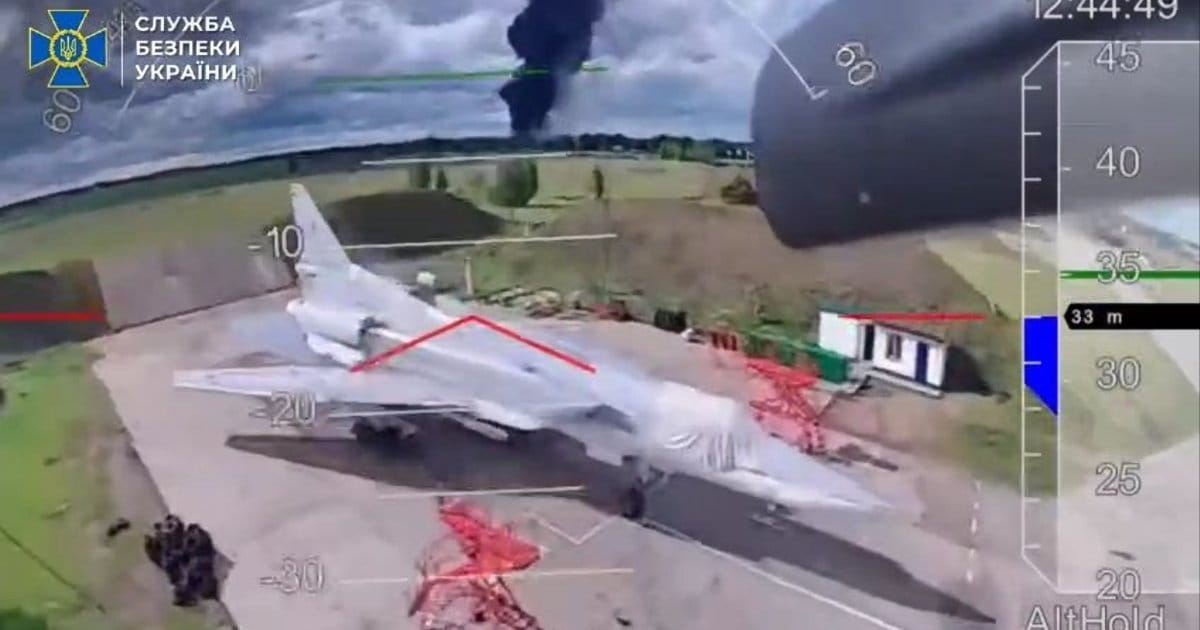
Operation Spiderweb itself, according to sources, was designed to target Russian bomber infrastructure. This isn’t just about hitting a random target; it’s about degrading Russia’s long-range strike capabilities. By taking out key assets far behind the front lines, Ukraine achieves several strategic goals simultaneously: it reduces future bombing runs, creates internal panic within Russia’s high command, and most importantly, it shows the Russian populace that their government cannot protect them, even in supposedly secure locations. The SBU has been systematically ramping up these deep-strike operations, moving from simple drone attacks to more complex, multi-layered operations that require infiltration and human intelligence on the ground. This shift indicates a level of resources and foreign support that goes far beyond what Ukraine had in the early stages of the war.
The Drunk Driver Debacle: A Sign of Infiltration or Just Bad Luck?
Here’s where the story gets really juicy. The operation was originally scheduled for May 9th, a date heavy with symbolism for Russia (Victory Day). A successful attack on that day would have been a massive propaganda victory for Ukraine. But no, the plan was postponed. Why? Because the transport, possibly carrying vital components for the attack, was delayed. The delay was blamed on—wait for it—drunk truck drivers. Now, let’s analyze this. Is it really just a couple of guys having one too many? Or is it a symptom of a much deeper problem within the logistics chain? Perhaps a sign of infiltration? The SBU’s network is extensive, but it relies on a large number of local collaborators. The more people involved in a sensitive operation, the greater the risk of a leak, or in this case, a logistical failure due to poor discipline. Imagine a high-level briefing where they have to tell the commanders that the entire plan is on hold because the transport drivers got smashed. The embarrassment must have been palpable. This incident reveals a critical vulnerability in SBU’s strategy. They are a force to be reckoned with, absolutely, but they are also dealing with significant organizational friction and human frailty on the ground.
The SBU has to contend with Russian counter-intelligence, which is not exactly asleep at the wheel. For every successful SBU operation, there are probably a dozen that fail or are intercepted before they start. The fact that Operation Spiderweb was even possible suggests a serious breach in Russian security, but the fact that it was nearly compromised by something so trivial suggests that Ukraine’s logistical security protocols are perhaps not as tight as they should be. It’s a high-stakes game of chicken where one side is playing by the rules of espionage and the other side is playing by the rules of real life, and in real life, people get drunk and mess things up. It’s a sobering thought for a nation at war, where every detail, every minute, counts. This whole saga raises serious questions about the professionalism of the SBU’s ground support and whether these operations are sustainable in the face of such basic human error. We are seeing a pattern here where the brilliant high-level planning is constantly undermined by low-level screwups. It’s like watching a chess grandmaster play against themselves, sometimes making brilliant moves and sometimes knocking over their own pieces.
The Geopolitical Impact and Future Predictions
What does this mean for the future of the conflict? It means we are likely going to see more of these deep-strike operations, and Russia will likely respond with increased internal security crackdowns. The SBU has shown that it can reach almost anywhere in Russia. This creates a psychological effect far greater than the actual physical damage. The Russian population must be constantly looking over their shoulder, wondering if the next explosion will happen in their backyard. The Kremlin, for its part, must decide whether to continue ignoring these attacks or to acknowledge them and risk appearing weak. The SBU wants to force Russia into a no-win situation where they either admit their weakness or spend inordinate resources trying to catch ghosts. The mysterious couple and the Spiderweb operation are part of this grand strategy. They are trying to create a climate of fear and paranoia that will make the war unsustainable for Russia in the long term. The drunken drivers, however, provide a moment of clarity for both sides: this is not a clean war, it’s a messy, chaotic, and often ridiculous undertaking where success is a matter of luck as much as skill. It’s a high-stakes game of chicken where one side is playing by the rules of espionage and the other side is playing by the rules of real life, and in real life, people get drunk and mess things get messed up.
The whole thing is just… messy. And honestly, isn’t that what we’ve come to expect from this whole conflict? It’s less ‘Mission Impossible’ and more ‘The Office.’ A bunch of people trying their best, but constantly getting bogged down by bureaucracy, human error, and the sheer unpredictability of life. The delay of Operation Spiderweb wasn’t due to some brilliant counter-espionage maneuver by Russia; it was due to a couple of guys having a party a little too hard. That is the ultimate takeaway here. The SBU’s deep state is powerful, but it’s still run by human beings. And human beings, as we know, are inherently flawed and sometimes prone to be honest, completely ridiculous. They are, at the end of the day, just like us. The SBU might want us to think they’re superhuman, but a simple detail like this grounds them in reality, reminding us that even the most elaborate schemes can be undone by a simple, idiotic mistake. The mysterious couple are probably still out there, hiding in plain sight, probably trying to forget about that time the whole plan almost went south because of a bender. The SBU has to contend with Russian counter-intelligence, which is not exactly asleep at the wheel.
The SBU has to contend with Russian counter-intelligence, which is not exactly asleep at the wheel. For every successful SBU operation, there are probably a dozen that fail or are intercepted before they start. The fact that Operation Spiderweb was even possible suggests a serious breach in Russian security, but the fact that it was nearly compromised by something so trivial suggests that Ukraine’s logistical security protocols are perhaps not as tight as they should be. It’s a high-stakes game of chicken where one side is playing by the rules of espionage and the other side is playing by the rules of real life, and in real life, people get drunk and mess things get messed up. It’s a sobering thought for a nation at war, where every detail, every minute, counts. This whole saga raises serious questions about the professionalism of the SBU’s ground support and whether these operations are sustainable in the face of such basic human error. We are seeing a pattern here where the brilliant high-level planning is constantly undermined by low-level screwups. It’s like watching a chess grandmaster play against themselves, sometimes making brilliant moves and sometimes knocking over their own pieces. The SBU has to contend with Russian counter-intelligence, which is not exactly asleep at the wheel. For every successful SBU operation, there are probably a dozen that fail or are intercepted before they start. The fact that Operation Spiderweb was even possible suggests a serious breach in Russian security, but the fact that it was nearly compromised by something so trivial suggests that Ukraine’s logistical security protocols are perhaps not as tight as they should be.