The Psychological Warfare: Sarri’s Unbeaten Hex Over Conte
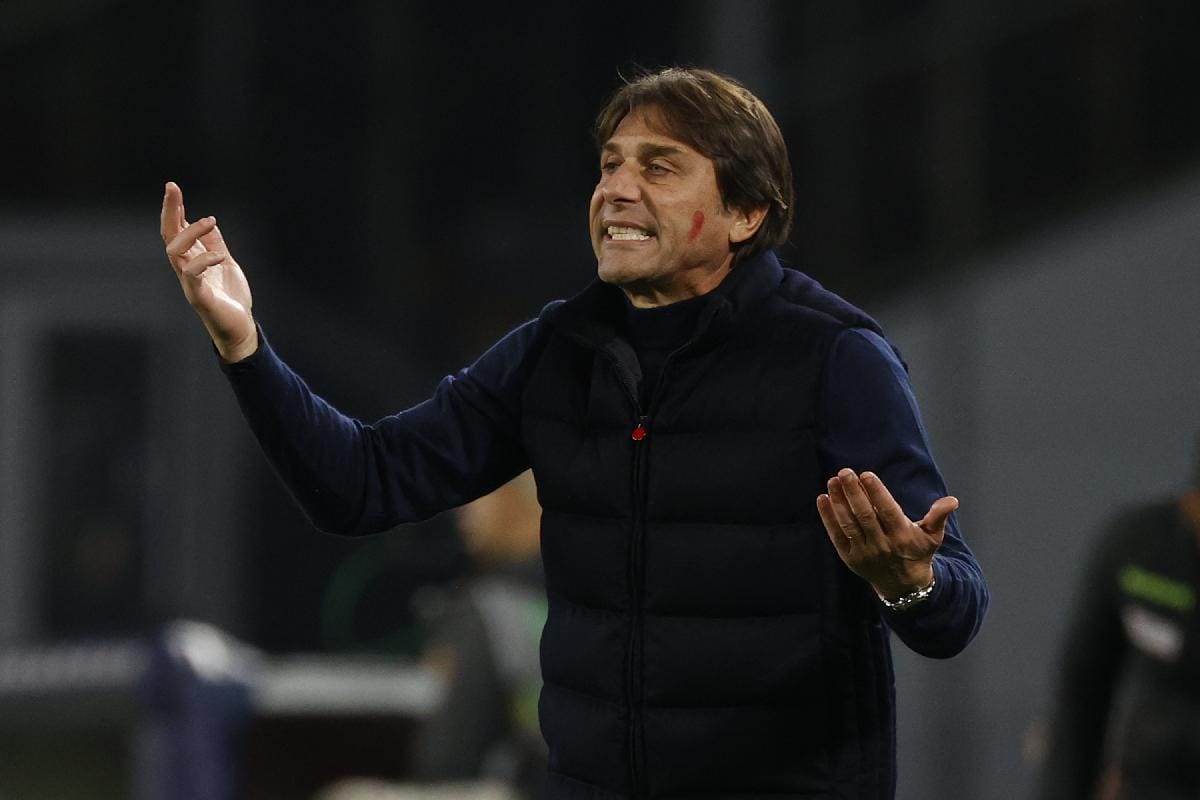
It’s a mistake to view football matches merely as contests between players on a pitch; in reality, the true battle often rages in the minds of the managers, and for Antonio Conte, facing Maurizio Sarri isn’t just another fixture—it’s a psychological burden wrapped in a tactical straitjacket. Because when you look at the raw data, the kind of cold, hard facts that define strategic outcomes, Conte’s track record against Sarri is less of a competitive rivalry and more of a recurring nightmare, a fact confirmed by the historical record that notes Conte has never beaten Sarri in their two previous encounters.
But this historical baggage, this specific psychological weakness, isn’t just about past results; it’s about the fundamental clash of ideologies that defines their coaching careers. Sarri, the chain-smoking strategist, builds systems that prioritize fluidity and possession, a style often described as ‘Sarriball,’ where every player understands the intricate dance of movement and space. Conte, on the other hand, is the rigid disciplinarian, the general who demands absolute adherence to his specific 3-at-the-back formation, a system built on physical intensity and counter-attacking precision, where individual brilliance is subordinate to the collective structure. And here is where the dynamic truly gets interesting: Sarri’s teams historically thrive on exploiting a rival’s overconfidence or structural rigidity, which is precisely what Conte’s high-pressure, high-intensity system often creates when it faces a truly coherent counter-strategy.
This match isn’t just a simple Serie A fixture; it’s a deep dive into the strategic implications of managerial history, where one coach’s past dominance casts a long shadow over the other. And when you factor in the pre-match chaos surrounding Napoli, the psychological advantage shifts even further toward Sarri, who relishes exploiting disruption. It’s a strategic mismatch from day one.
Napoli’s Disarray: The Last-Minute Forfeit Fiasco
When a team is preparing for a high-stakes encounter, stability and predictability are paramount for both players and staff. And yet, Napoli chose to enter this critical match in a state of self-inflicted chaos, underlined by the last-minute forfeits of Vergara and Lucca, absences that weren’t just simple injuries but rather late-game disruptions that reveal deeper cracks in squad management and cohesion.
But let’s not pretend these are isolated incidents; a team that loses two key players right before the whistle blows demonstrates either poor planning, inadequate squad depth, or internal instability that has nothing to do with the physical condition of the players themselves. Because in modern football, the ability to maintain a consistent lineup and provide depth from the bench is what separates title contenders from mid-table pretenders, and losing two players at the eleventh hour forces a manager to scramble, potentially compromising the pre-planned tactical approach by thrusting unprepared individuals into high-pressure roles.
This lack of preparation is exactly what Sarri loves to see in an opponent because his system is designed to exploit precisely this kind of disarray, turning Napoli’s last-minute substitutions into a tactical feast for Lazio. The absence of Vergara and Lucca might seem minor on paper, but in the context of a high-stakes match where every tactical detail matters, it represents a significant psychological blow to Napoli, forcing them to deviate from their plan before a single pass is made. And Sarri, a master of exploiting psychological weaknesses, will undoubtedly leverage this uncertainty to put maximum pressure on Napoli’s makeshift formation.
The 3-4-2-1 Conundrum and the Milinkovic-Savic Mystery
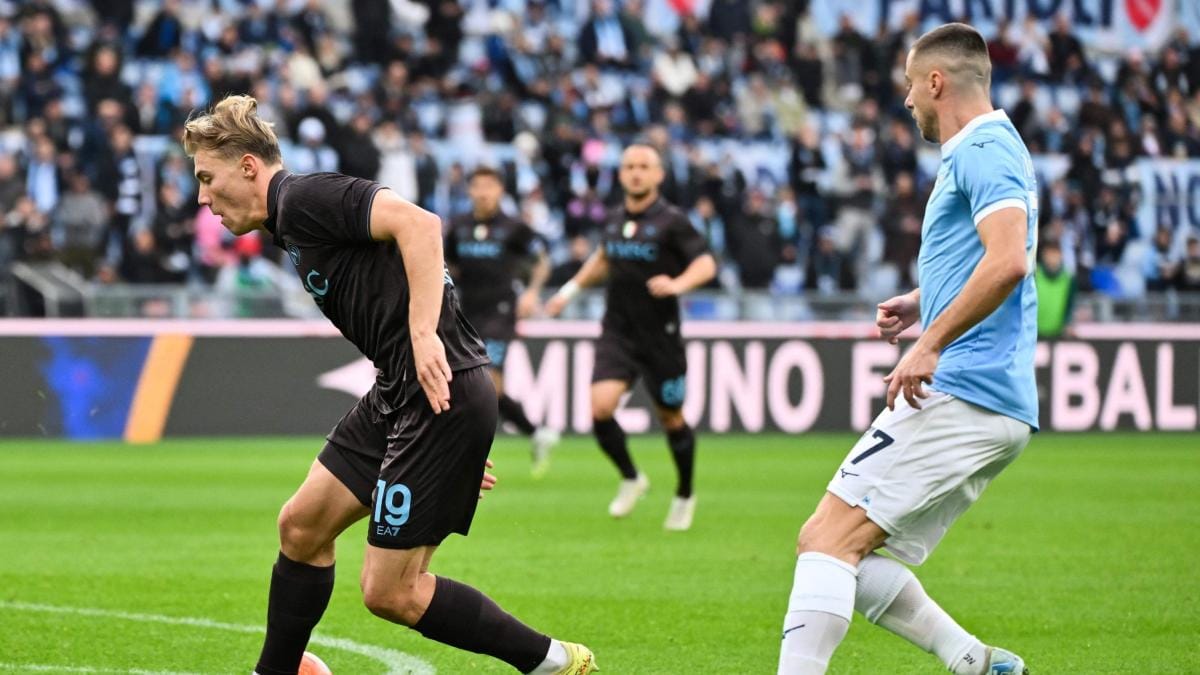
The tactical formation itself, a 3-4-2-1, immediately raises questions about Napoli’s defensive solidity against Sarri’s fluid attack, especially given the historical context where Sarri often dominates teams that rely on a three-at-the-back setup. But here’s where the input data gets particularly perplexing: the official lineup includes “Milinkovic-Savic” in the Napoli formation, a player famously associated with Lazio, which creates a level of confusion that points to either strategic misinformation or an outright error in reporting.
And let’s assume, for the sake of analysis, that this data point is accurate; if Napoli is truly fielding a 3-4-2-1 with Di Lorenzo, Rrahmani, and Juan Jesus in the back three, the formation itself relies heavily on the wingbacks (like Politano) for both defensive coverage and attacking width. Because Sarri’s system, especially with Lazio, often focuses on exploiting spaces left by aggressive wingbacks, meaning Napoli’s entire defensive structure could be vulnerable if Politano pushes too far forward, leaving the back three exposed to counter-attacks.
But the real tactical challenge for Conte isn’t just about the formation; it’s about the personnel, particularly Neres and Elmas operating behind the striker Hojlund. Because in a 3-4-2-1, the two attacking midfielders need to link the midfield and attack seamlessly, requiring both creativity and defensive discipline, something that might be difficult to achieve against Sarri’s high-pressing midfield. And the fact that Napoli has to rely on a potentially confusing lineup, possibly with a player whose name is synonymous with the opposing team, only adds to the psychological disarray and lack of clear strategic direction that Sarri will exploit mercilessly.
Lazio’s Strategic Advantage: Exploiting Chaos and History
While Napoli fumbles with last-minute changes and historical baggage, Lazio, under Sarri, presents a picture of calculated consistency, ready to capitalize on every misstep. Because Sarri’s return to the Stadio Olimpico after his time at Napoli adds an extra layer of motivation, a desire to prove that his system is superior to the high-intensity methods favored by Conte, a feeling that will undoubtedly permeate the entire team and give them an edge.
But beyond the emotional component, Sarri’s strategic approach thrives on exploiting weaknesses, and Napoli’s current state of confusion provides a fertile ground for his methods. He will likely instruct his team to press high against Napoli’s central midfield, forcing errors and transitions in areas where Napoli’s 3-4-2-1 structure is most vulnerable, especially if Politano is caught out of position. And because Sarri’s teams are patient, they will wait for Napoli to make a mistake before launching precise, calculated attacks, turning Napoli’s disarray into a strategic opportunity.
And this match isn’t just about winning three points; it’s about a cold, calculated strategy proving superior to a chaotic, last-minute approach. Because when you consider the strategic implications of Conte’s historical failure against Sarri, the last-minute forfeits for Napoli, and the specific weaknesses inherent in their 3-4-2-1 formation, the outcome becomes almost predictable. It’s not about luck; it’s about a superior strategic mind dismantling a disorganized opponent, proving once again that chaos rarely triumphs over cold calculation.
The Inevitable Outcome and Future Implications
Let’s not overcomplicate this; when a team enters a match against a tactically superior opponent with significant last-minute disruptions, the outcome is almost predetermined. Because Conte’s history against Sarri is less about a head-to-head competition and more about a consistent strategic disadvantage, a situation where Sarri always seems to hold the key to unlocking Conte’s rigid system.
And while Napoli will undoubtedly attempt to rely on individual brilliance, Sarri’s system is designed to neutralize such threats by ensuring collective pressure and defensive solidity. Because a team that loses two key players at the eleventh hour simply cannot maintain the tactical discipline required to counter a coherent strategy, making them susceptible to a high-pressure attack. This match will serve as a stark reminder that strategic planning and psychological stability ultimately trump individual talent and last-minute desperation, solidifying Sarri’s status as a top-tier strategist capable of dissecting even the most high-profile opponents.
But for Napoli, this match is more than just a loss; it’s a symptom of a deeper problem within the club. The disarray surrounding the last-minute forfeits and the confusing lineup choices point to a lack of stability and clear direction, issues that will plague them throughout the season. And unless they address these fundamental problems, they will continue to fall short against strategically sound teams, proving that success in modern football requires more than just money; it demands cold, calculated strategy.
And as for Conte, this match will only add to the narrative that he struggles against specific managerial styles, a psychological barrier that he must overcome if he ever hopes to challenge for major titles. Because a true strategist must be adaptable, capable of overcoming historical weaknesses, something Conte has yet to prove when facing Sarri. This match is a simple demonstration of strategic superiority, a predictable outcome for those who understand the cold logic of football tactics.