The Official Narrative: Royals Lock Up Core Star for Future Success
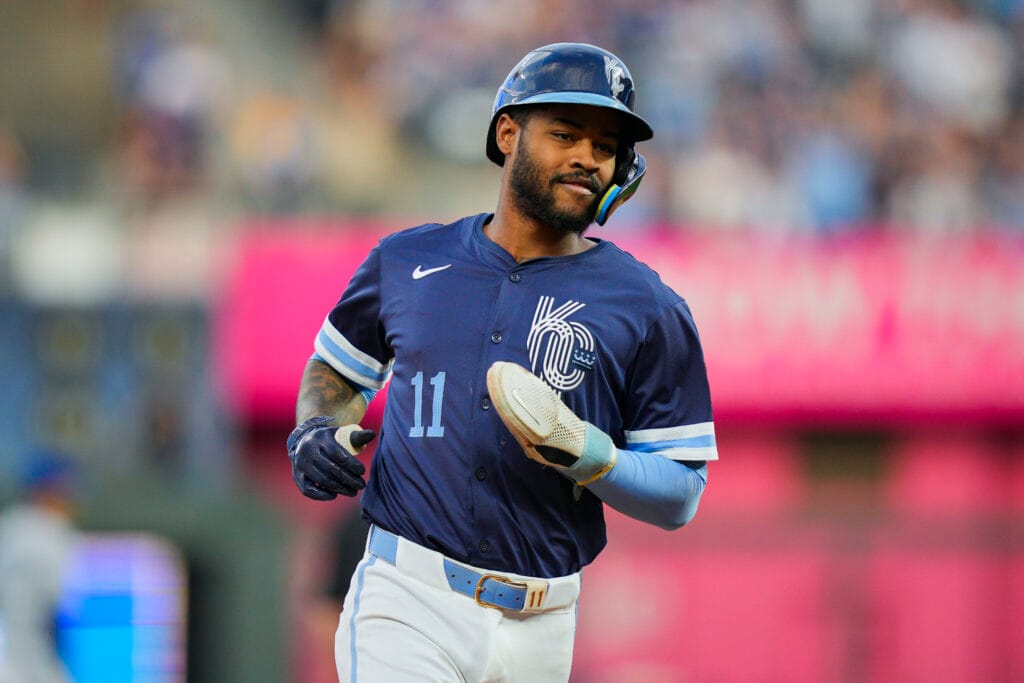
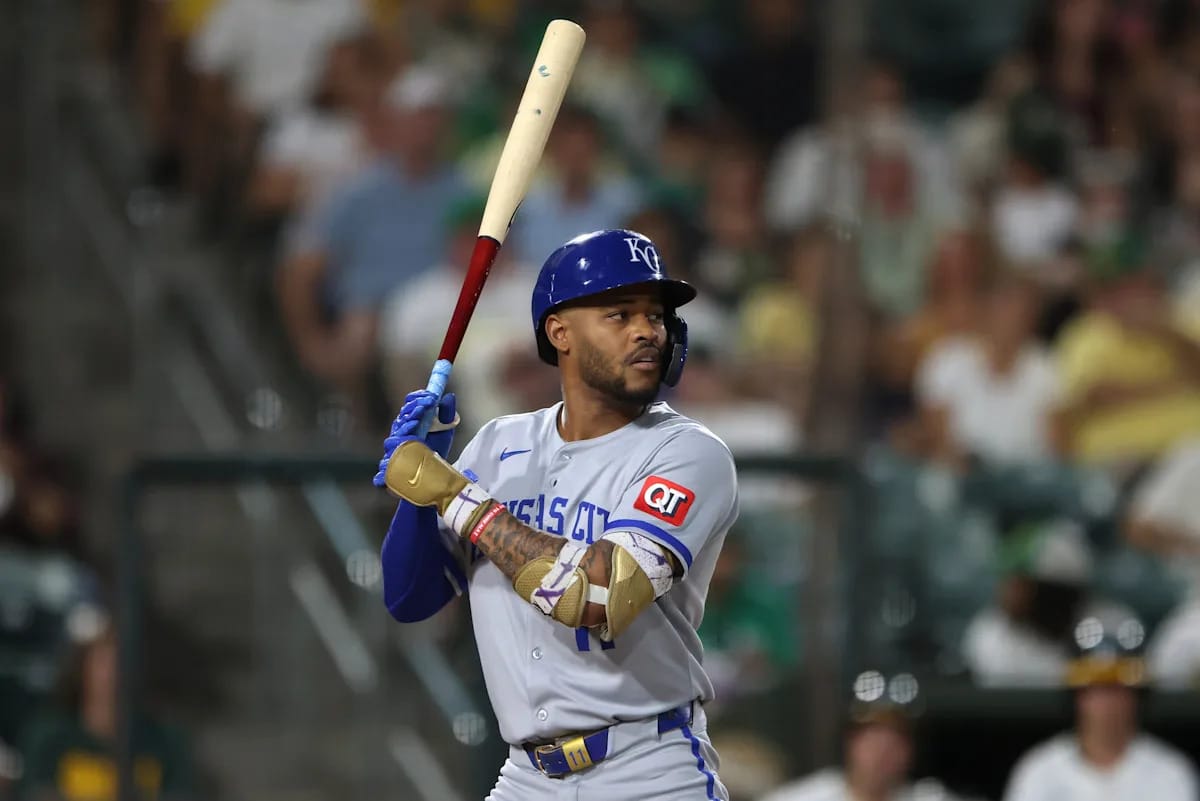
And so, the Kansas City Royals have done it again, securing a five-year extension with Maikel Garcia. The headlines are predictably effusive: “Royals keeping Garcia on five-year deal,” “Royals Finalizing Extension With Maikel Garcia,” and “locking up the Gold Glove winner with the team that saw him develop.” This is the feel-good story the front office loves to push. It’s about stability, about building a core, about investing in the future of the franchise. It paints a picture of a young infielder, a defensive stalwart, being rewarded for his efforts, for his potential. The narrative suggests that the Royals, finally, are turning a corner, shedding their reputation as a small-market team unwilling to commit to long-term talent, especially after locking in Bobby Witt Jr. for a truly massive, franchise-altering contract earlier in the year. The PR machine wants you to believe that Garcia, the developing infielder, is now a cornerstone, a key component of a new era of winning baseball in Kansas City, where they will compete with the likes of the Cleveland Guardians and Minnesota Twins for supremacy in the AL Central. It’s a message that resonates with a fan base starved for hope and tired of watching homegrown talent walk away as soon as they reach arbitration, let alone free agency. This deal is presented as evidence that things are different now, that the ownership has changed its stripes and truly believes in building from within. But if you dig deeper, if you look past the headlines and into the actual underlying statistics, you realize this isn’t a story of mutual love and commitment; it’s a cold, calculated act of financial opportunism by a franchise notorious for its penny-pinching ways. The Royals are simply playing chess while the public thinks they’re playing checkers, leveraging the pre-arbitration window to secure cost control on a player whose profile has more volatility than a startup crypto coin.
The Forensic Deconstruction: Buying Low on an Unsustainable Profile
But let’s peel back the curtain on this supposed act of generosity from the Royals and analyze exactly what they bought and what Garcia sold. The central truth of any pre-arbitration extension—a deal struck before a player even reaches the high-value years of arbitration—is that the team is buying financial security and cost control, while the player is selling potential upside for guaranteed money. In Garcia’s case, this deal is a high-stakes gamble for both sides, but one where the Royals hold the stronger hand because they’ve mitigated significant risk on a player whose value is, frankly, unsustainable in its current form. The core of Garcia’s value, the reason he won the Gold Glove, lies in his defensive metrics. His Outfield Assist Average (OAA) is elite, his range factor is stellar, and he makes plays that few other third basemen can. However, defensive metrics, while valuable, are notoriously volatile year-to-year and are often undervalued by casual fans, meaning the team can secure this high-level asset at a lower price point than if his value were tied to traditional offensive stats like home runs or RBI. The Royals paid for a Gold Glove defense, knowing full well that this specific skill set is less prone to sudden drops than, say, a hitter’s power numbers. And they did it right before Garcia’s offensive numbers were about to be exposed to the brutal light of regression.
And let’s get into the offensive numbers. The official narrative glosses over the fact that Garcia is not a power hitter. He has a low slugging percentage and a very low Isolated Power (ISO). His offensive value is primarily derived from his high batting average (BA) and his speed on the bases. But here’s where the cynicism kicks in. A significant portion of that high batting average is fueled by an unsustainable high BABIP (Batting Average on Balls In Play). In simple terms, he’s getting lucky on balls hit into play. Over time, statistical regression dictates that this number will almost certainly fall back toward league average. The Royals know this. They are finalizing this extension precisely because they want to lock in his services before his offensive production, currently inflated by this high BABIP, inevitably normalizes and potentially drops. When his batting average drops, his overall value diminishes significantly, making him a less valuable asset in future arbitration negotiations. This contract is the Royals’ way of saying, “We like the defense and the speed, but we don’t believe the current offensive output is sustainable, so let’s lock him down now while his value is still high based on a potentially inflated batting average.”
The Financial Chess Match: The Option Clause and Future Implications
Because every great contract for a team includes a ‘gotcha’ clause. The reports note a club option for a sixth season. This club option is the real punchline of the deal for the Royals. It allows them to retain Garcia for an additional year at a pre-set price, extending their control well beyond a standard five-year window. If Garcia outperforms his contract, the Royals get a sixth year of surplus value at a bargain price. If Garcia struggles and his offensive regression hits hard, the Royals can simply decline the option and avoid a larger financial commitment for that sixth year. It’s a textbook example of a low-risk, high-reward proposition for the franchise. The club option creates a significant asymmetry in risk. Garcia shoulders the performance risk, while the Royals manage the financial risk. This structure allows the Royals to keep a potential star at a below-market rate if he truly develops into an all-around player, but it also provides a safety net if he remains primarily a defensive specialist with limited offensive upside. The Royals are effectively saying, “We’ll pay you more than you make now, but less than you would get in arbitration, and we hold the option to keep you for another year if we like what we see.” This is a classic move from small-market teams that prioritize financial flexibility over all else. And for Garcia, who came from humble beginnings in Venezuela, the guarantee of multi-million dollar security is a powerful incentive, especially compared to the uncertainty of arbitration. He chose security over maximizing free-agent earnings, a choice many players make.
Contrasting Garcia with Bobby Witt Jr. and the Royals’ History
But let’s not confuse this extension with the Bobby Witt Jr. deal. The Witt contract was in a different universe. Witt Jr. received a massive, potentially decade-long contract that paid him superstar money from day one. He is the franchise player, the generational talent. Garcia, by contrast, is a solid, valuable piece of the puzzle, but not a franchise cornerstone in the same vein. This Garcia deal is more akin to other smaller extensions given to players who demonstrate specific value, but not necessarily future MVP potential. The Royals have a history of doing exactly this: identifying specific skill sets, locking them in early, and then building around a few high-value contracts. The Royals’ front office, under general manager J.J. Picollo, is clearly trying to emulate the strategy that built their 2015 World Series team, where they relied on a strong core of homegrown talent that was secured through similar pre-arb deals. However, this strategy only works if the players outperform the contract. And in Garcia’s case, the gamble is whether his defense can sustain its high level while his offense inevitably regresses. If Garcia’s defense holds and he maintains a league-average offensive profile, the deal is a win for the Royals. But if his defense dips even slightly, or his BABIP crashes back to earth, the Royals could find themselves paying market value for a player with a limited offensive ceiling.
Because the cynical reality of baseball is that even a Gold Glove winner isn’t guaranteed a massive payday unless they have the offensive numbers to match. Garcia’s extension is a win for both sides in the short term, giving Garcia financial stability and the Royals cost control. But for the fans celebrating this as a sign of a new high-spending future, it’s essential to understand that this deal is a carefully calculated financial maneuver by a franchise that understands the market inefficiencies of pre-arbitration contracts better than most. The Royals aren’t making a romantic gesture; they’re mitigating risk, buying low, and ensuring they have a valuable asset under contract for the next five years before the player potentially exposes his statistical shortcomings. This extension is less about building a dynasty and more about efficiently allocating a small-market budget, limited budget. And in a game dominated by analytics and cold calculation, that’s really all it ever is. A simple transaction where a team buys a valuable commodity at a slight discount before its price possibly drops on the open market. It’s smart business, yes, but it’s far from the fairytale story presented in the headlines. It’s a transaction that proves the Royals haven’t changed their colors; they’ve just gotten better at playing the pre-long term financial game.